Yes Bank Woes Deepen Despite Latest Fundraising Plan
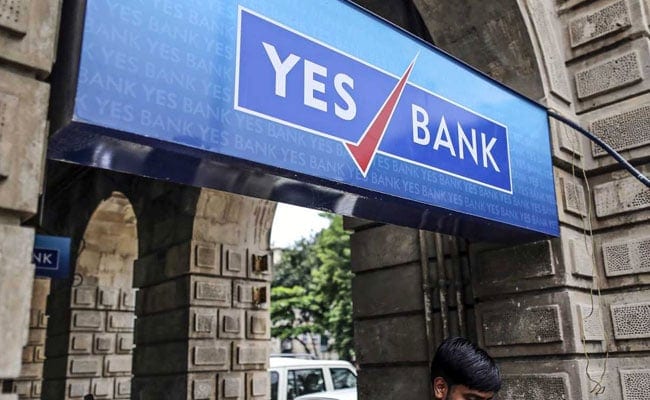
Yes Bank has rejected $1.2 billion of outside investment and will launch a $1.4 billion share sale, it said on Friday after a board member's resignation cast more doubt on the troubled lender's future and sent its stock down 5 per cent.
Yes Bank's shares have plunged by about 75 per cent in the past 12 months as non-performing assets have risen sharply, with investors further spooked by delays in the bank's plans to raise urgently needed capital.
The bank has been talking about raising up to $2 billion in funds ever since the $1.2 billion offer from Canadian investor Erwin Singh Braich and Hong Kong-based SPGP Holdings was first announced in November.
From a long list of potential investors that Yes Bank had mentioned, only investments from Citax Holdings are still being considered, the bank said.
However, its woes deepened on Friday with the resignation of Uttam Prakash Agarwal, an independent board member and head of Yes Bank's audit committee.
In a resignation letter seen by Reuters, Agarwal said there were serious concerns around deteriorating corporate governance as well as compliance failures at the country's fifth-largest private lender by assets. Agarwal also said he had shared his concerns with the relevant regulatory authorities.
Yes Bank said it had noted Agarwal's observations and would look into the allegations, which included a suggestion that Citax would be unable to invest at the level indicated by Yes Bank.
Shriram Subramanian, a corporate governance expert and founder of proxy advisory firm InGovernsaid, said the allegations against the bank were quite serious in nature, particularly as they come from the audit committee chairman.
"There is still a long way to go for investors to take the bank seriously," Subramanian said.
"They may approve any amount of fundraising but I'm not sure who is going to infuse the capital for the bank to be resurrected."

-
A New Samvat Wishlist: Inclusive Prosperity And Human Development

India has strengthened its economic foundations through infrastructure, digital access and enterprise. Its next growth chapter must deepen productivity, create better livelihoods and widen participation in prosperity.
-
Love, Sex Aur Dhokha: The Audacious Plot To Spy On Jensen Huang
A Taipei dinner, a Singapore chip buyer and a suspected Chinese asset: inside the alleged spy operation that got close to NVIDIA's Jensen Huang.
-
Ten Things I Learnt This Samvat
Patience can be a trap. Cheap stocks can stay cheap. Leverage can wipe you out. What did Samvat 2082 teach us? Niraj Shah writes on 10 lessons from the year gone by.
-
Talking Points This Week: Tech Nerves, FII Buying, And A Faraway Banking Shock
The global markets are not shining this Diwali. The exception in the large markets is, India.
-
Midterm Rally Lasted A Day. The Hard Reality Of A Divided US May Last Two Years | Opinion
Between a contested AI boom, a debt ceiling that arrives in 2027 and a president with every incentive to act alone, the next two years may prove more volatile than the first day's rally suggests.
-
Blue Wave Will Derail the AI Trade but Won't Dismantle the AI Era | Unhedged Position
The Democrats' sweep of the US Congress will see politics collide with economic forces both over the long and short term.
-
It's Time To Take The GST Council's Bet On Trust Global
Payment records can prove India's services exports, and clear, proportionate rules can bring foreign digital sellers into the tax net.
-
Opinion | India at 38: From Innovation Overperformer to Innovation Powerhouse
India now has 453 VC-backed deep science startups, 18 of them late-stage, after 117 percent growth since 2020. Laurus Labs, at USD 9.3 billion, is the most valuable deep science company in any middle-income economy outside China.
-
Navigating Energy Crossroads: S Jaishankar's Call For Diversified Supply Chains At G20 Ministerial Meeting
As geopolitical fault lines continue to test maritime trade routes and commodity flows, Jaishankar's message remains pertinent: true economic resilience requires open markets, protected transit lines, and a genuine commitment to multilateral cooperation rather than coercion.









