NFTs To Web 3.0: What Made 2021 The Defining Year Of Cryptocurrency
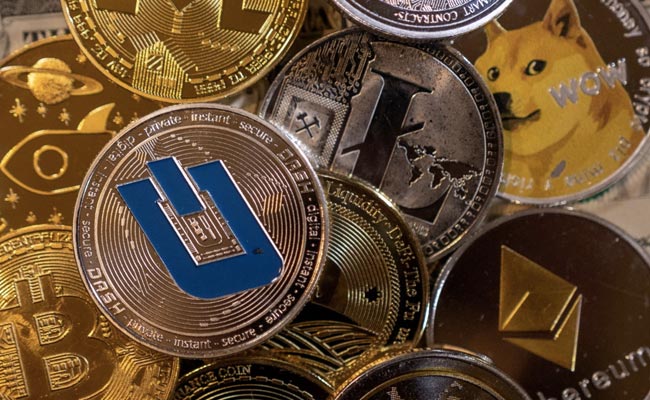
From mainstream acceptance, emergence of new digital coins, to challenging central authorities over the notion of 'currency', 2021 will be remembered as the defining year of cryptocurrency across the globe. As the world prepares for Web 3.0, people have now been exposed to the idea of adopting the digital ecosystem for currency in the form of digital tokens, instead of cash.
Bitcoin - the world's oldest and largest cryptocurrency - seized mainstream acceptance with El Salvador, amid its dizzying rally throughout the year. Apart from this, blockchain-based technology gave birth to non-fungible tokens (NFTs) - being non-interchangeable - distinguishing itself from cryptocurrency.
The positive sentiment around crypto around the world has not only encouraged investors but a whole new breed of crypto entrepreneurs with the intention to transform the global financial system. The rise of crypto investors globally testifies the fact that it has emerged as the most popular investment avenue challenging traditional asset classes such as gold, stocks, and real estate.
With major announcements in the crypto market globally, 2021 was truly the 'year of cryptocurrency'. As we near the end of 2021, here's a list of all important events that helped crypto become a mainstream voice of the future.
Elon Musk's $1.5 Billion Investment
Billionaire Elon Musk's electric vehicle company Tesla Inc announced a $1.5 billion investment in bitcoin under its changed policy and announced that it would accept the currency as payment for cars. After Tesla's announcement in February 2021, bitcoin's price took a giant leap crossing the $48,00-mark - its largest daily rise in more than three years. Within a week, bitcoin created history crossing the $50,000-mark for the very first time, achieving further mainstream acceptance among large investors, especially after Tesla's move.
Mainstream Acceptance Vaults Bitcoin Higher
Bitcoin witnessed a broader bull run since October 2020, ever since US-based online payment company Paypal allowed customers to use bitcoin on its network. However, Tesla's investment became the latest in a string of large investments that vaulted bitcoin to soaring prices, as US firms and traditional money managers started taking the asset seriously.
In the same month, the Bank of NY Mellon announced that it had formed a new unit to help clients hold, transfer and issue digital assets. The world's largest publicly traded business intelligence company - Microstrategy announced that it would $600 million to buy more bitcoin. The company already owned close to 72,000 coins at the time of its announcement in February 2021, valuing its bitcoin holdings at around $3.6 billion.
Crypto Clampdown In China
In May, the Chinese central government published a memo that stated Bitcoin trading and mining crackdown. By June, power supplies for industrial-scale Bitcoin mining farms in Xinjiang's Zhundong economic zone and Sichuan were directed to shut down.
Chinese authorities believe cryptocurrency disturbs the economic order and facilitates illegal asset transfers and money laundering. The authorities also blame crypto miners for energy waste, deadly coal mining accidents - which is a potential threat to the country's efforts to reduce carbon emission.
In September, China's central bank said all cryptocurrency-related transactions are illegal and must be banned, sending a harsh signal on its determination to crack down on the industry.
In October, the United States officially became the largest hub for Bitcoin mining operations and businesses. China's crackdown created an opportunity for overseas bitcoin mining operations - leading to an infrastructure boom in North America, Russia, Central Asia, and Europe.
El Salvador Became The First Country To Accept Bitcoin As Legal Currency
In September 2021, El Salvador became the first country in the world to accept bitcoin as legal currency, despite widespread domestic skepticism about cryptocurrencies and international warnings of risks for consumers. President Nayib Bukele's government claimed the move will give many Salvadorans access to bank services for the first time and save some $400 million in fees on remittances sent home from abroad every year.
Non-Fungible Tokens (NFTs) Go Mainstream
Non-fungible tokens (NFTs) - a type of digital asset, exploded in popularity this year, with NFT artworks selling for millions of dollars. Traded since around 2017, NFTs surged in popularity in early 2021, then had another explosive jump around August.
An NFT is a digital asset that exists on a blockchain, a record of transactions kept on networked computers. NFTs are usually bought with cryptocurrencies or in dollars and the blockchain keeps a record of transactions. While anyone can view the NFT, only the buyer has the status of being the official owner.
Sales volumes surged to $10.7 billion in the third quarter of 2021, according to data from market tracker DappRadar. On the biggest NFT marketplace, OpenSea, there were $2.6 billion of sales in October this year, a massive increase from the $4.8 million in October 2020.
Cryptocurrency Bill In India
The much-awaited Cryptocurrency Bill in India proposes to ban the use of crypto as a currency and for payment systems. The new Crypto Asset Bill proposes to regulate the use of cryptocurrency in the country and also lay the groundwork for the creation of the official digital currency to be issued by the Reserve Bank of India (RBI). The central government is yet to finalize the details of the crypto asset bill.
Web 3.0
Cryptocurrency is not just for sending money or speculating with but could be used to build a whole new web, according to Bloomberg. This idea forms the basis of Web 3.0 -- which would build financial assets, in the form of tokens, into the inner workings of almost anything you do online. Web 3.0 is the next stage of web evolution that seeks to make the internet more intelligent or process information with near human-like intelligence.
The idea of Web3 is to create software and platforms that are not dependent on traditional companies and Web 2.0 business models such as advertising. For example, users might pay for services directly using tokens. In an ideal world, Web3 services are supposed to be operated, owned by, and improved upon by communities of users, according to Bloomberg.
2022 And Beyond - What Lies Ahead For Crypto?
Here's what experts say: ''2022 is starting to look like a promising year for the crypto market as more trad-fi companies start applying for crypto licenses and building digital asset teams because as a financial product crypto is too big to ignore.
Next year we would see more players emerging to battle over user acquisition, and trad-fi players introducing crypto-linked products to retain their existing users, or lose them to crypto or decentralised finance. The remaining decade will be dedicated to driving mass adoption of crypto assets and driving the adoption of decentralized finance.
There is an urgent need for a neutral crypto education platform that can serve as a converging point for crypto awareness and knowledge among crypto investors, new or veteran,'' said Charles Tan, Head of Marketing, Coinstore, a Singapore-based cryptocurrency exchange.

-
Talking Points This Week: Leadership Shock At Nvidia, Earnings Strength, And The Fog Over Hormuz

The Anthropic IPO pricing and first trading day, Nvidia's upcoming earnings, and any fresh signals from Iran will set the tone for the following week.
-
Signature Play: The Classic Cocktail Is Dead. Or Is It?
Classic cocktails are disappearing from India's cocktail menus. But they're still being ordered, taught to bartenders and borrowed from. So, who's really having the last drink?
-
A New Samvat Wishlist: Inclusive Prosperity And Human Development
India has strengthened its economic foundations through infrastructure, digital access and enterprise. Its next growth chapter must deepen productivity, create better livelihoods and widen participation in prosperity.
-
Love, Sex Aur Dhokha: The Audacious Plot To Spy On Jensen Huang
A Taipei dinner, a Singapore chip buyer and a suspected Chinese asset: inside the alleged spy operation that got close to NVIDIA's Jensen Huang.
-
Ten Things I Learnt This Samvat
Patience can be a trap. Cheap stocks can stay cheap. Leverage can wipe you out. What did Samvat 2082 teach us? Niraj Shah writes on 10 lessons from the year gone by.
-
Talking Points This Week: Tech Nerves, FII Buying, And A Faraway Banking Shock
The global markets are not shining this Diwali. The exception in the large markets is, India.
-
Midterm Rally Lasted A Day. The Hard Reality Of A Divided US May Last Two Years | Opinion
Between a contested AI boom, a debt ceiling that arrives in 2027 and a president with every incentive to act alone, the next two years may prove more volatile than the first day's rally suggests.
-
Blue Wave Will Derail the AI Trade but Won't Dismantle the AI Era | Unhedged Position
The Democrats' sweep of the US Congress will see politics collide with economic forces both over the long and short term.
-
It's Time To Take The GST Council's Bet On Trust Global
Payment records can prove India's services exports, and clear, proportionate rules can bring foreign digital sellers into the tax net.
-
Opinion | India at 38: From Innovation Overperformer to Innovation Powerhouse
India now has 453 VC-backed deep science startups, 18 of them late-stage, after 117 percent growth since 2020. Laurus Labs, at USD 9.3 billion, is the most valuable deep science company in any middle-income economy outside China.









