WTO Slashes Forecast For Merchandise Trade Growth In 2023
(Bloomberg) --
Global merchandise trade will slow next year as “multiple shocks” ranging from Russia's war in Ukraine, high energy costs in Europe and US monetary policy tightening raise manufacturing costs and squeeze households, the World Trade Organization said.
The Geneva-based trade body raised its projection for growth in merchandise trade this year to 3.5%, up from its previous projection of 3%, according to a report released Wednesday. But the WTO said it expects trade growth to fall sharply in 2023 to 1%, from its previous forecast of 3.4%.
The WTO's forecasts -- which are in line with IMF and OECD projections -- mark a major deceleration from last year's 9.7% growth in global trade. That was fueled by consumer purchases of household items while travel and other service industries were limited during the depths of the Covid pandemic.
In addition to the economic risks facing the US and Europe, the WTO said poor nations stand to suffer, too. “The growing import bills for fuels, food and fertilizers could lead to food insecurity and debt distress in developing countries,” it said.
Among the other potential drags: central banks raising interest rates too high or acting too late on inflationary pressures that “may have peaked,” the WTO said.
‘Overshooting' Risk
“Overshooting on tightening could trigger recessions in some countries, which would weigh on imports,” it said. “Alternatively, central banks might not do enough to bring inflation down, possibly necessitating stronger interventions in the future.”
The WTO acknowledged the tradeoffs governments are grappling with to bring soaring prices down.
“Policymakers are confronted with unenviable choices as they try to find an optimal balance among tackling inflation, maintaining full employment, and advancing important policy goals such as transitioning to clean energy,” WTO Director-General Ngozi Okonjo-Iweala said in a news release.
She cautioned against a retrenchment in global supply chains, saying such moves will only worsen inflationary pressures and slow economic growth. “What we need is a deeper, more diversified and less concentrated base for producing goods and services.” she said.
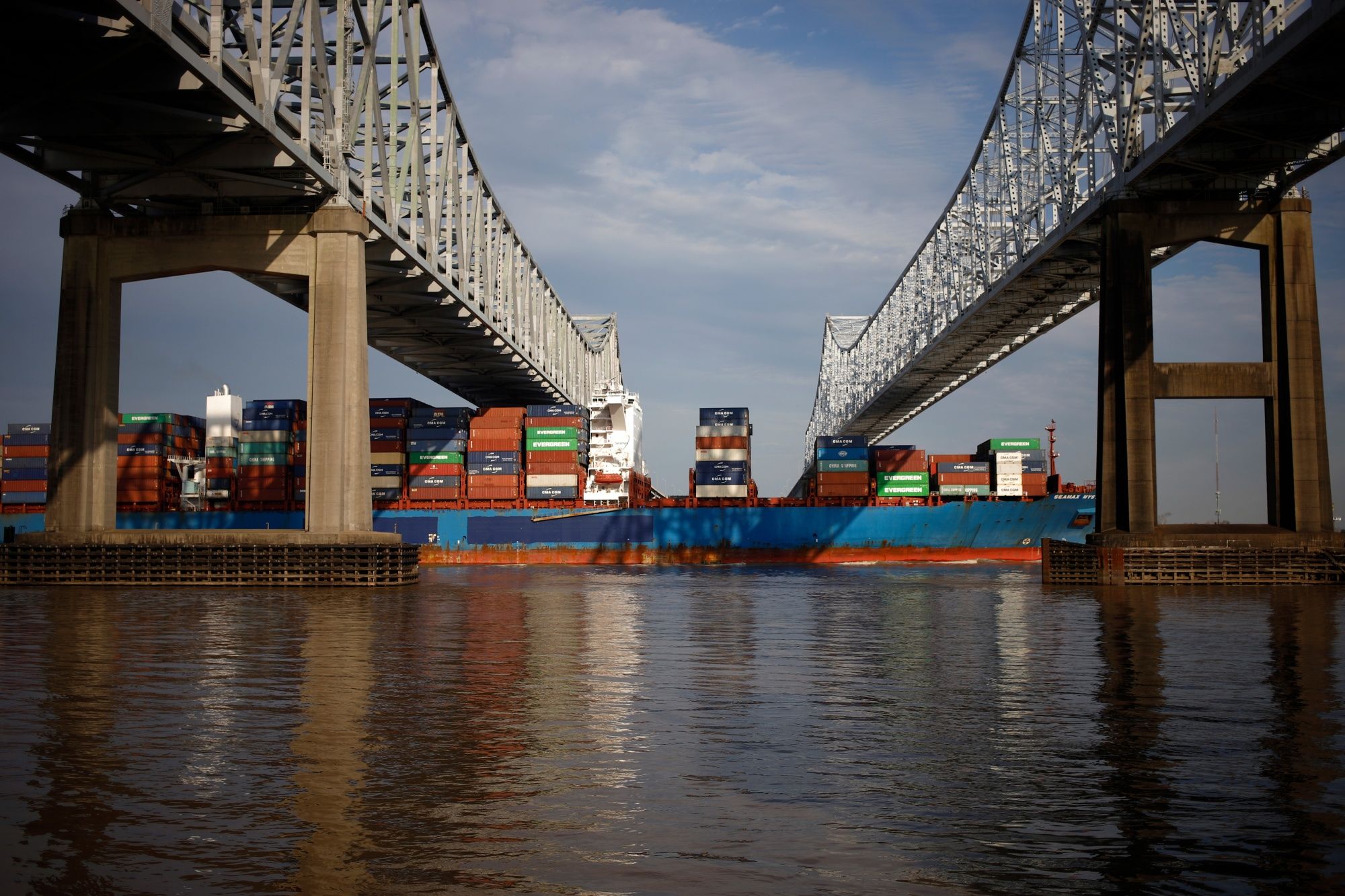
A slowdown in trade poses challenges for logistics industries such as container shipping, where the biggest players posted record profits in recent quarters because of sky-high ocean freight rates. Some of them are already adjusting their businesses to account for lower volumes.
The world's largest container carrier, Geneva-based Mediterranean Shipping Co., last week announced the suspension of a transpacific service and cited “significantly reduced demand for shipments into the US West Coast during the past weeks.”
(Adds detail on central banks in fifth paragraph, shipping company in final two.)
More stories like this are available on bloomberg.com
©2022 Bloomberg L.P.

-
Love, Sex Aur Dhokha: The Audacious Plot To Spy On Jensen Huang

A Taipei dinner, a Singapore chip buyer and a suspected Chinese asset: inside the alleged spy operation that got close to NVIDIA's Jensen Huang.
-
Ten Things I Learnt This Samvat
Patience can be a trap. Cheap stocks can stay cheap. Leverage can wipe you out. What did Samvat 2082 teach us? Niraj Shah writes on 10 lessons from the year gone by.
-
Talking Points This Week: Tech Nerves, FII Buying, And A Faraway Banking Shock
The global markets are not shining this Diwali. The exception in the large markets is, India.
-
Midterm Rally Lasted A Day. The Hard Reality Of A Divided US May Last Two Years | Opinion
Between a contested AI boom, a debt ceiling that arrives in 2027 and a president with every incentive to act alone, the next two years may prove more volatile than the first day's rally suggests.
-
Blue Wave Will Derail the AI Trade but Won't Dismantle the AI Era | Unhedged Position
The Democrats' sweep of the US Congress will see politics collide with economic forces both over the long and short term.
-
It's Time To Take The GST Council's Bet On Trust Global
Payment records can prove India's services exports, and clear, proportionate rules can bring foreign digital sellers into the tax net.
-
Opinion | India at 38: From Innovation Overperformer to Innovation Powerhouse
India now has 453 VC-backed deep science startups, 18 of them late-stage, after 117 percent growth since 2020. Laurus Labs, at USD 9.3 billion, is the most valuable deep science company in any middle-income economy outside China.
-
Navigating Energy Crossroads: S Jaishankar's Call For Diversified Supply Chains At G20 Ministerial Meeting
As geopolitical fault lines continue to test maritime trade routes and commodity flows, Jaishankar's message remains pertinent: true economic resilience requires open markets, protected transit lines, and a genuine commitment to multilateral cooperation rather than coercion.
-
Indians Are Travelling, But Not Every Journey Is A Holiday | The Week In Whys
Pilgrims, patients and working women are the real travellers, and the system hasn't quite caught up with them.









