World’s Biggest Vaccine Maker Sees Malaria Shot Saving Kids’ Lives
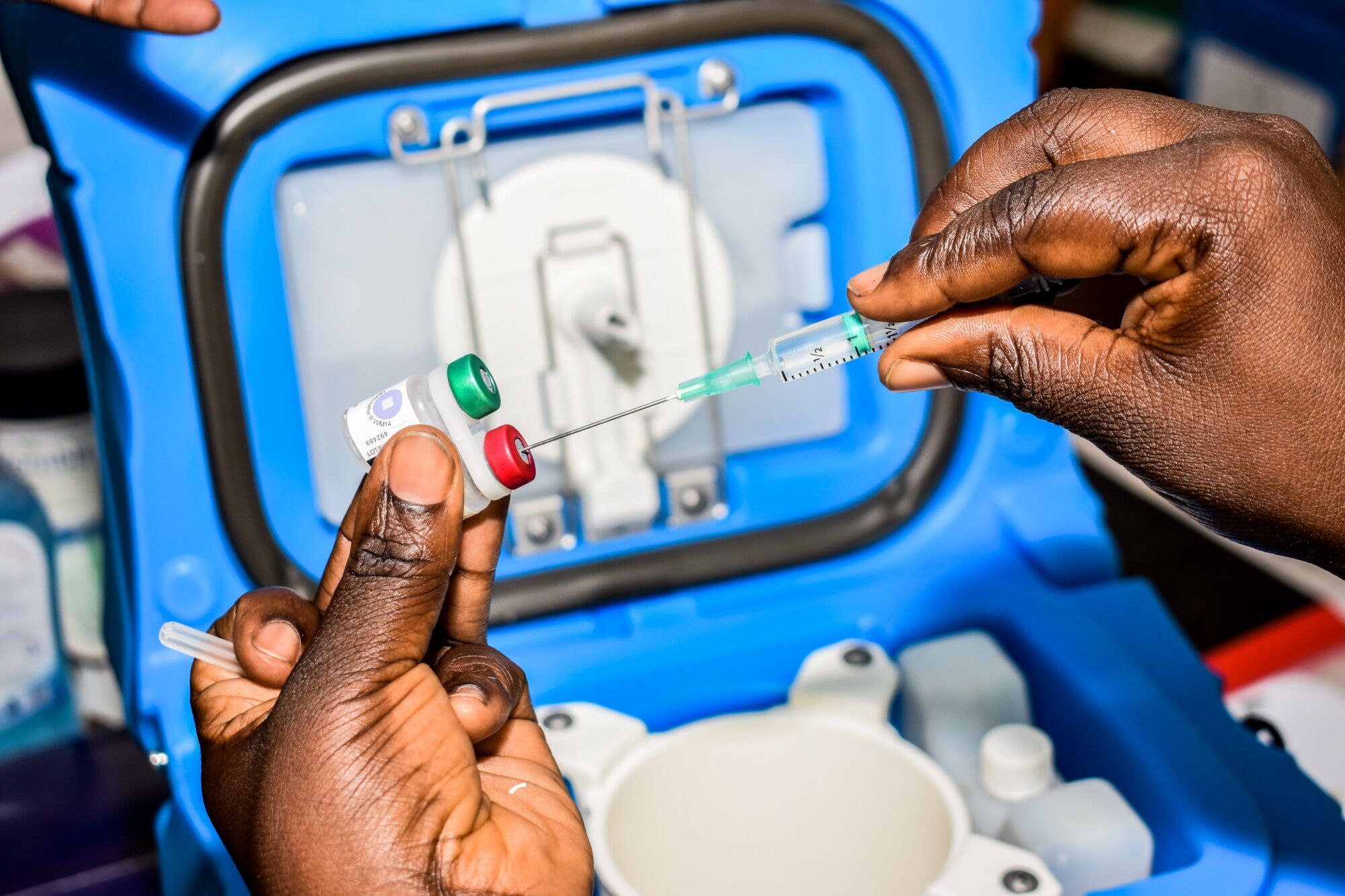
(Bloomberg) -- Serum Institute of India Ltd., the world's biggest vaccine maker, said its shot that gained a World Health Organization recommendation has the potential to significantly reduce fatalities from malaria, one of the globe's most deadly diseases, particularly among young children in Africa.
The vaccine developed with researchers at the University of Oxford, known as R21, was recommended Monday by the WHO for use in Africa for children under five years old, the age group and continent that bear the brunt of a disease that kills more than 600,000 people a year.
“We can protect the children and lives in Africa against this disease as soon as possible,” said Adar Poonawalla, Serum's chief executive officer, in an interview. “It has the potential, if rolled out successfully, to save perhaps the most lives.”
Malaria has been one of the world's neglected diseases with 95% of cases and 96% of deaths occurring in Africa, many of them in the poorer countries of the continent. The lack of a lucrative market has meant relatively little impetus for development of a shot.
It's also been a tricky target for vaccine makers. The parasites that cause the deadly disease are prone to mutations that allow them to develop resistance to treatments. BioNTech SE, which developed the highly potent mRNA Covid vaccine in partnership with Pfizer Inc, is also working on a vaccine candidate for malaria. Last year, the WHO formally endorsed Mosquirix, the world's first vaccine for the disease that was developed by GSK Plc and its partners.
Read More: First Malaria Vaccine Advances After Decades of Work
Approval of Serum's shot should ease supply constraints as only 18 million doses of GSK's are available through 2025.
Serum's immunization uses an adjuvant developed by Novavax Inc. to help raise an immune response to malaria and specifically targets a version of the parasite that's prevalent in Africa. The firm can produce 100 million doses of the vaccine a year, with 20 million already in stock, and expects to start distribution next year, Poonawalla said. Production capacity will be doubled over the next two years.
Twenty-eight African countries have expressed interest and 18 are ready to receive the vaccine, the CEO said. Shipments will primarily be distributed via Unicef and Gavi, the Vaccine Alliance, he said, as many countries won't have the money to pay for them.
The recommendation is a required step for the WHO to prequalify the vaccine through assessment of data relating to its efficacy and safety. Prequalification is a requirement for United Nations agencies such as Unicef and Gavi to deploy it.
The cost will be less than $4 a shot, cheaper than what is currently available, with three doses to be taken by children between five and 36 months of age with a booster to be taken a year later. The vaccine's efficacy was shown in a clinical trial to be as high as 80% a year after the fourth dose was administered.
--With assistance from Bhuma Shrivastava and Janice Kew.
More stories like this are available on bloomberg.com
©2023 Bloomberg L.P.

-
Ten Things I Learnt This Samvat

Patience can be a trap. Cheap stocks can stay cheap. Leverage can wipe you out. What did Samvat 2082 teach us? Niraj Shah writes on 10 lessons from the year gone by.
-
Talking Points This Week: Tech Nerves, FII Buying, And A Faraway Banking Shock
The global markets are not shining this Diwali. The exception in the large markets is, India.
-
Midterm Rally Lasted A Day. The Hard Reality Of A Divided US May Last Two Years | Opinion
Between a contested AI boom, a debt ceiling that arrives in 2027 and a president with every incentive to act alone, the next two years may prove more volatile than the first day's rally suggests.
-
Blue Wave Will Derail the AI Trade but Won't Dismantle the AI Era | Unhedged Position
The Democrats' sweep of the US Congress will see politics collide with economic forces both over the long and short term.
-
It's Time To Take The GST Council's Bet On Trust Global
Payment records can prove India's services exports, and clear, proportionate rules can bring foreign digital sellers into the tax net.
-
Opinion | India at 38: From Innovation Overperformer to Innovation Powerhouse
India now has 453 VC-backed deep science startups, 18 of them late-stage, after 117 percent growth since 2020. Laurus Labs, at USD 9.3 billion, is the most valuable deep science company in any middle-income economy outside China.
-
Navigating Energy Crossroads: S Jaishankar's Call For Diversified Supply Chains At G20 Ministerial Meeting
As geopolitical fault lines continue to test maritime trade routes and commodity flows, Jaishankar's message remains pertinent: true economic resilience requires open markets, protected transit lines, and a genuine commitment to multilateral cooperation rather than coercion.
-
Indians Are Travelling, But Not Every Journey Is A Holiday | The Week In Whys
Pilgrims, patients and working women are the real travellers, and the system hasn't quite caught up with them.
-
Getting To Work Costs Women More | The Reason Why
It is not just about women paying more than men. It is about women paying much more in cities than in villages.









