World Cup 2018: Hosting Football World Cup Boosts Pride, Not Economy
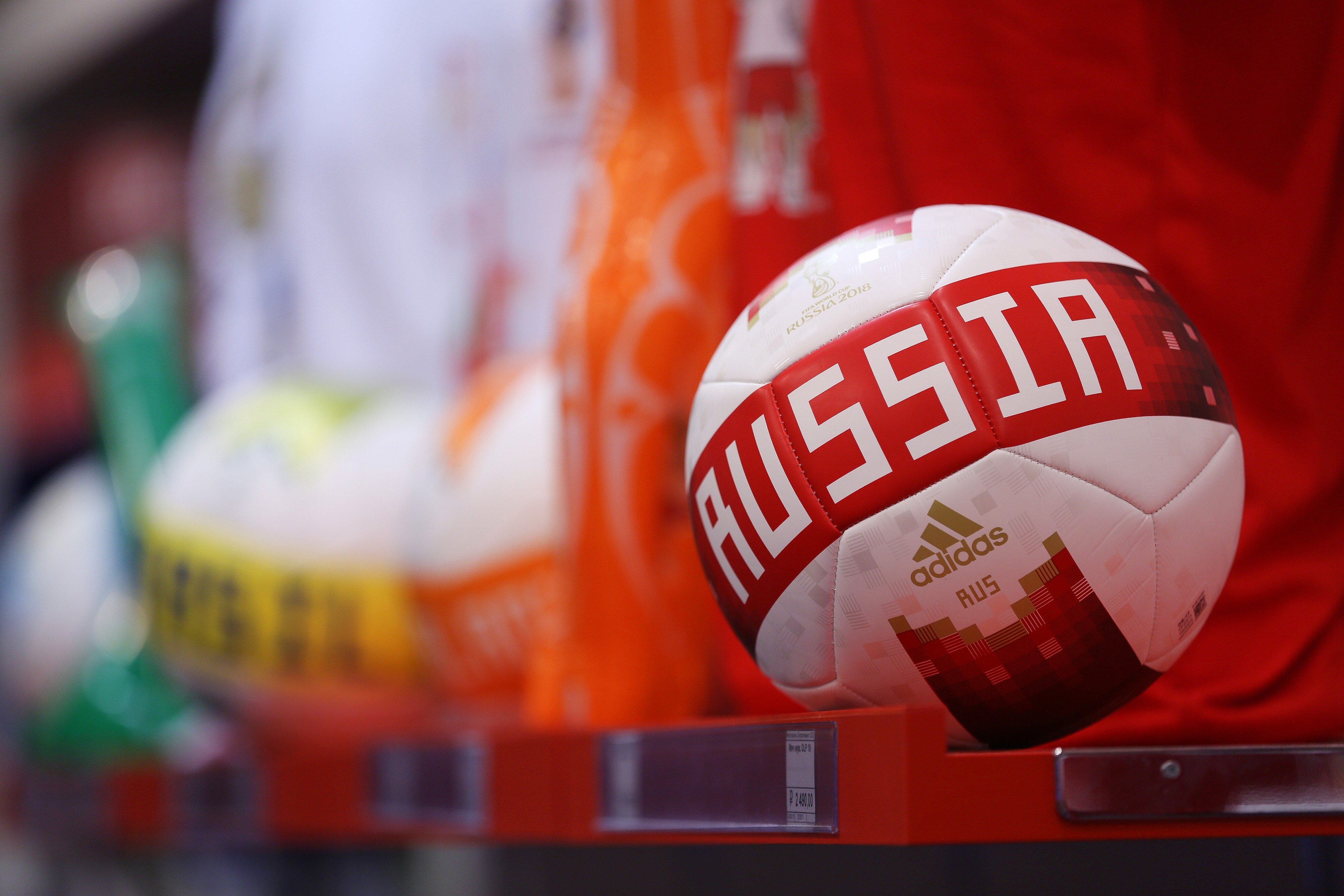
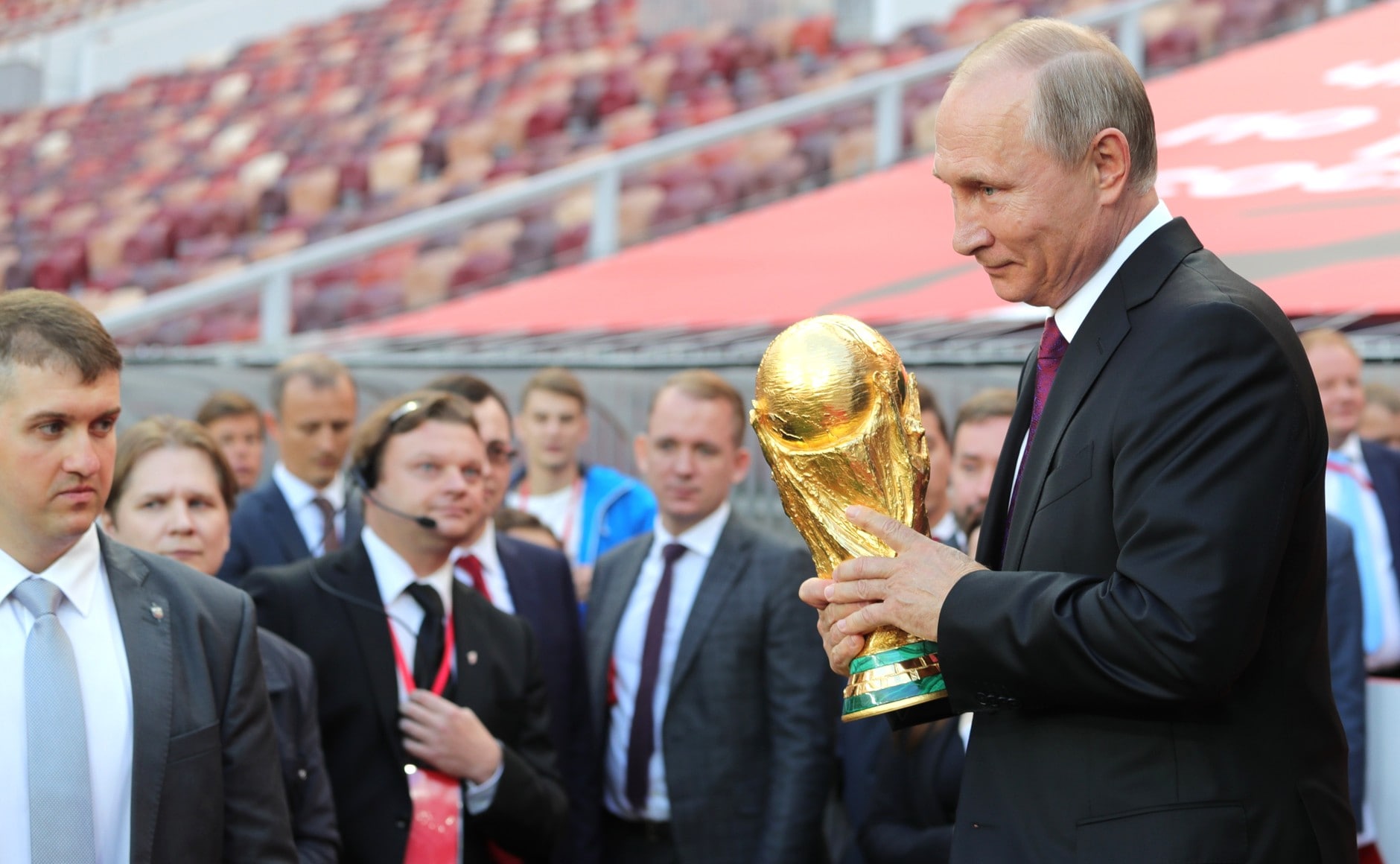
A few days ago, President Vladimir Putin released a video welcoming football fans to Russia to witness the biggest sporting event in the world. Putin said that hosting the FIFA World Cup 2018 was a matter of “great joy and honour” for the nation. Turns out, it is just that.
A sense of pride is mostly what a host earns, according to a report by Germany's Commerzbank. There's barely any overall economic gain barring a short-lived spike going by the average five-year GDP growth—two years before and after the event.
“Hosting a World Cup is an increasingly onerous business with candidates having to meet ever more stringent standards,” Commerzbank said. “This significantly increases costs and there is little evidence to suggest that the host derives much, if any, net economic benefit, contrary to claims made ahead of the tournament.”
Russia is hosting its first ever FIFA World Cup that begins this week. The country, which also hosted the 2014 Winter Olympics, has budgeted spending about $11.6 billion to build or refurbish its 12 stadiums. According to Commerzbank, that's thrice of what Brazil spent in the previous 2014 edition. “This figure is likely to rise, since it excludes certain infrastructural items that the organising committee believe would have gone ahead regardless.”
 Kremlin Website) ">
The World Cup comes at a time when Russia's economy is undergoing a fragile recovery after two years of contraction due to economic sanctions and low oil prices. The country's organising committee recently released a study estimating that the 2018 World Cup will have a combined impact of $15 billion on Russia's GDP.
That's a big number. But Commerzbank disagrees.
Apart from the possible prestige element associated with being host, it is difficult to make a strong economic case for holding the tournament.Commerzbank AG
In its analysis, the German bank mapped the annual GDP growth of host countries for a five year period—two years before and after the event. And it found that there are “no obvious economic benefits to hosting the tournament”.
It is not totally futile though. In the run up to the World Cup, nations hosting it witness a relative spike in the non-residential investment growth. That tails off in the year of the tournament and slows down subsequently after that.
“Whatever the benefits to the winner, much of the evidence suggests that the economic benefits to the host are overblown,” Commerzbank said. It added, citing a 2006 study, that impulses in the host nation's retail business, tourism and employment have a partly positive impact but they are “not sufficient to have had any overall economic significance”.
Even Moody's Investors Service has said that Russia will only experience a “short-lived economic benefit” from hosting the event.
Winner Takes All
There was one more interesting finding: World Cup winning nations get a sentiment boost. Commerzbank measured quarterly GDP growth in the year of the tournament for 10 of the last 11 finals. And the GDP growth in victorious countries in the third quarter, the one that comes after the World Cup is over, has been more rapid than in the second quarter on eight occasions.
“There is also a school of thought suggesting that the tournament winner derives a benefit from the feel-good factor in the immediate aftermath of the tournament,” the report said. Is that a co-incidence? “Maybe-maybe not!”

-
High US Salaries, No Green Card Certainty: The Financial Calculation Facing Indian H-1B Families

The suspension of PERM processing at eight technology employers does not cancel existing H-1B visas. What it does is force a question many Indian families have been avoiding: is the US salary worth tying your career and family plans to one employer?
-
Unhedged Position: Can India See An Indonesia-Style Time Correction?
The Nifty is trading below levels it first clocked in 2024. Is there, then, as I have suggested in the headline, potential that the current time correction drags on painfully for the next three-five, even ten years?
-
Navigating Friction And Energy Realities: An Analysis Of Marco Rubio's October Visit To India
Occurring at a critical juncture marked by stalled trade negotiations and escalating geopolitical pressures over global energy supplies, the visit offers a profound window into modern US-India relations.
-
India Exports Capital. Why Not Export Trusteeship?
The big question, then, is whether India can build an institution that global borrowers, investors, banks, and lawyers can trust, even without an Indian connection.
-
France's Economy & Politics Are In Crisis | The Reason Why
Let's look at how the French economy and politics evolved under Nicolas Sarkozy, Franois Hollande and Emmanuel Macron.
-
You May Inherit The Business. You Must Earn Its Credibility.
Succession tests the founder's ability to share authority as much as it tests the next generation's readiness to assume it.
-
Signing Deals Is One Thing; Making Them Work Is Another | The Week In Whys
Sometimes, things don't turn out as planned. Indian companies have lost some bids to rivals, some projects won't produce until 2030.
-
FOMC Wall, PERM Suspension, Hospital Stocks | Talking Points This Week
A PERM suspension would directly affect green-card sponsorship rather than H-1B visas, so the near-term earnings impact could remain relatively limited. The key question is whether this marks a new phase in US scrutiny of Indian IT.
-
Everything, Everywhere, All At Once: Dalal Street's Week To Forget | Joining The Dots
Visa curbs, a Starlink spat and cancer drug caps: what connects this week's shocks for Indian markets
-
India Is Going Abroad For Critical Minerals. But It May Take Years To Pay Off | The Reason Why
Although India's steps are in the right direction, they remain modest compared with India's growing dependence.









