Windfall Tax On ONGC Will Be Damaging, Industry Experts Say
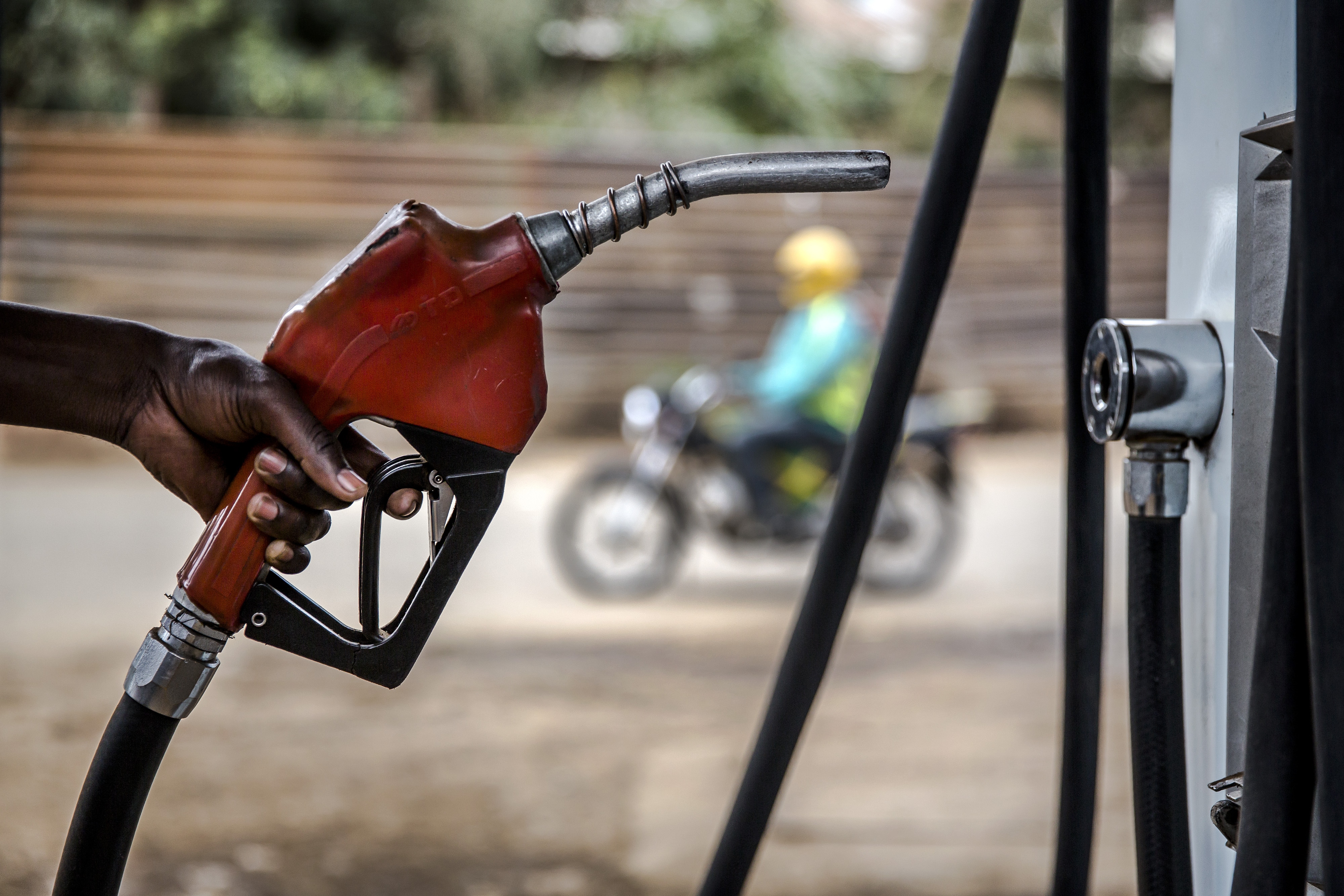
A reduction in excise duty and value added tax on fuel will be more effective in arresting retail price volatility rather than a potential windfall tax on Oil and Natural Gas Corporation Ltd.
That's the word from oil and gas expert Kirit Parikh who said the move will be damaging for the industry. A windfall tax will discourage both domestic and international companies from entering the oil exploration and production industry, keeping India dependent on imports, Parikh told BloombergQuint in an interview.
Former ONGC Chairman RS Sharma agreed. The government made windfall gains, increasing excise duty multiple times when crude prices were falling, Sharma said. “Now they are saying they are not in a position to give the relief because based on those revenues the government has launched various ambitious social welfare schemes and infrastructure projects.”
What signal will it send to the international investor community when the recent open acreage licensing policy is launched.RS Sharma, Former Chairman, ONGC
According to former Finance Secretary S Narayan, that argument is a bit “far-fetched”. “We have not seen foreign companies coming here for exploration for so many years and that's not on account of prices alone,” he said.
The Centre is considering a windfall tax on ONGC as part of a permanent solution to spiralling petrol and diesel prices which rose for the eleventh day today, newswire agency PTI said in a report quoting sources privy to the matter. The tax, which may come in the form of a cess, will kick in the moment oil prices cross $70 per barrel, the report added. Brent crude prices have risen close to 3 percent in the last one month, rising above $80 per barrel mark before trading around $79 per barrel currently.
Shares of ONGC and Oil India Ltd. fell between 10-12 percent apiece after the report.

Limited Benefit?
Parikh said consumers don't stand to benefit a lot if a windfall tax were to be imposed. “ONGC's oil production is 20 percent of the country's consumption. So if you're going to put a tax of even Rs 5 per litre on ONGC, it would only amount to a Rs 1 difference in price on the consumer end.”
The government should, instead, reduce the excise duty by Rs 1-2 per litre and ask states to reduce the value added tax on oil, he suggested, adding that the central government's revenue loss could be funded by reducing other subsidies.
What they can do is try to cut down other subsidies such as that on LPG. There is a scope of reducing at least 20 percent consumers who are clearly identifiably rich and can do without it.Kirit Parikh, Oil & Gas Expert
Worries that an excise duty cut will put further pressure on India's fiscal deficit may be overdone, Parikh said. If revenue from the Goods and Services Tax continue to show the growth it did last month, “then worries about fiscal deficit are exaggerated”, he said.
Ajay Bodke, chief executive officer and chief portfolio manager at Prabhudas Lilladher agreed that the tax will have a negative impact but said it is the only viable option available to the government. “Every Rs 1 drop in excise leads to Rs 13,000 crore debt that the government has.”
While GST collections have shown an improvement, the government would probably like to see a sustainable increase for a year or so before depending on it to offset excise duty cuts, he said.
Other Options?
Narayan said while there's “nothing wrong” in asking ONGC to bear part of the burden, the government has other options. This could include going back to fortnightly revision of fuel prices, allowing public sector companies to cushion the price for a while or converting the ad valorem duty into a fixed excise duty.

-
Opinion | India at 38: From Innovation Overperformer to Innovation Powerhouse

India now has 453 VC-backed deep science startups, 18 of them late-stage, after 117 percent growth since 2020. Laurus Labs, at USD 9.3 billion, is the most valuable deep science company in any middle-income economy outside China.
-
Navigating Energy Crossroads: S Jaishankar's Call For Diversified Supply Chains At G20 Ministerial Meeting
As geopolitical fault lines continue to test maritime trade routes and commodity flows, Jaishankar's message remains pertinent: true economic resilience requires open markets, protected transit lines, and a genuine commitment to multilateral cooperation rather than coercion.
-
Indians Are Travelling, But Not Every Journey Is A Holiday | The Week In Whys
Pilgrims, patients and working women are the real travellers, and the system hasn't quite caught up with them.
-
Getting To Work Costs Women More | The Reason Why
It is not just about women paying more than men. It is about women paying much more in cities than in villages.
-
AI Bias In Investing Cannot Be Eliminated, But It Can Be Governed
Framing is a particularly important example as identical financial information presented in terms of gains rather than losses can lead an LLM to reach a different assessment.
-
Joining The Dots | Dark Skies, Steady Diya: Why Hope Holds This Diwali
With war, a weak rupee and foreign outflows weighing on sentiment, policymakers at the NDTV World Summit and market veterans at NDTV Profit Ignite: Diwali Edition offered the same advice: stay invested and filter out the noise.
-
The Curious Case of Equitas Small Finance Bank And A CEO Who Quit For Stock
PN Vasudevan believes persistent investor concerns over a perceived conflict of interest had become a governance overhang on Equitas Small Finance Bank's stock, even as the lender improved profitability and asset quality.
-
Talking Points This Week: AI Cash Burn, A Tiger Comeback And An India That Still Finds Its Own Path
India is not immune to higher oil or tighter global liquidity, yet its earnings base is broader, its domestic policy levers are still available.
-
Foreign Investors Own Half Of HDFC Bank and ICICI Bank. An LTCG Cut Could Matter Most Here
Foreign portfolio investors have US$115 billion parked in HDFC Bank, ICICI Bank. If the government cuts long-term capital gains tax, Jefferies says returning foreign money could land here first.










