Will Lever Ayush Makeover Help HUL Make Inroads In Southern Ayurvedic Market?
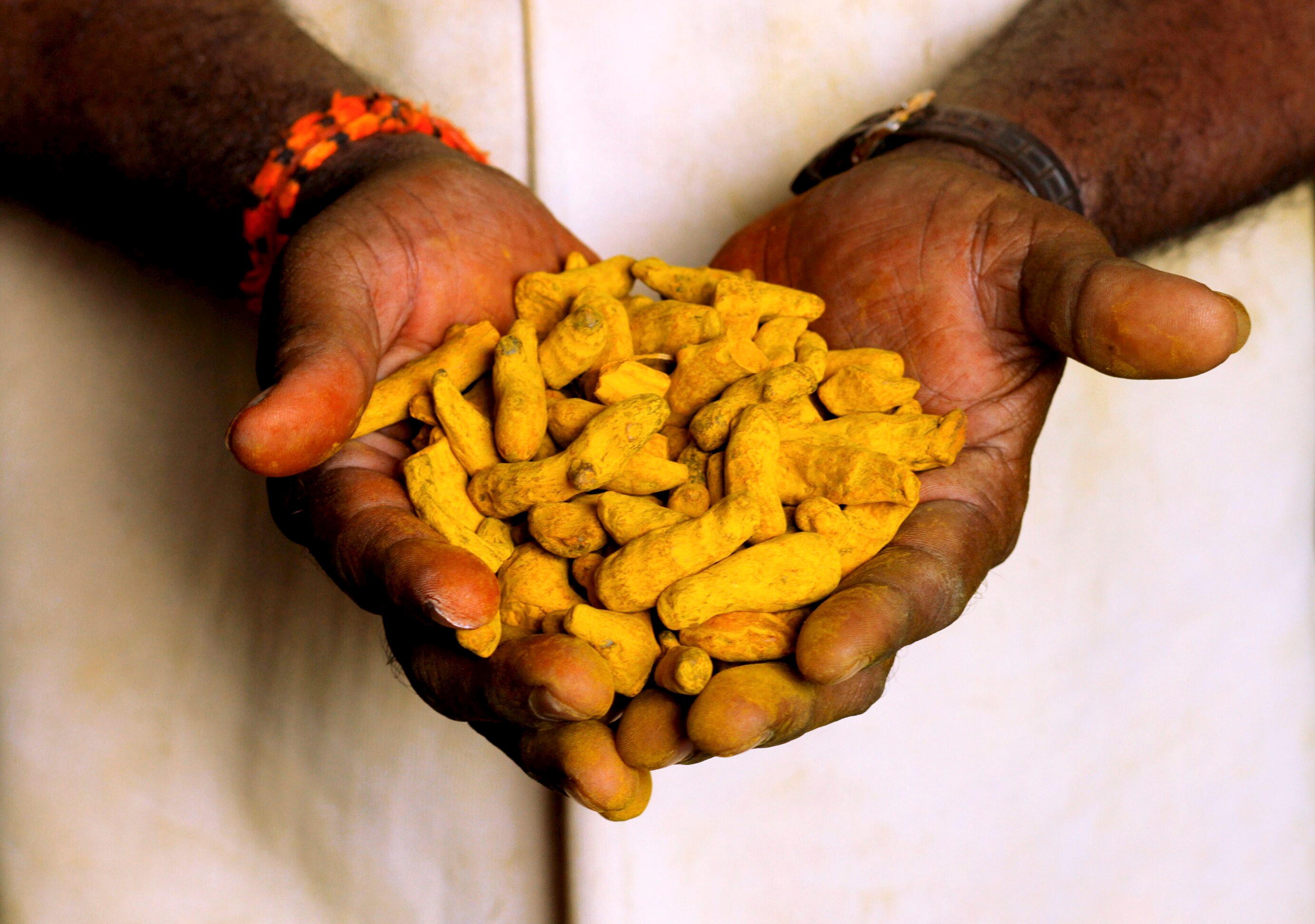
As demand for ayurvedic products grows, especially driven by Yoga guru Baba Ramdev's Patanjali Ayurved Ltd., FMCG major Hindustan Unilever Ltd. has relaunched its Lever Ayush brand in southern India, the biggest and most competitive market in the space.
The Rs 32,000-crore HUL will offer 20 Lever Ayush products for as low as Rs 30 in the hair, skin and oral care categories across Tamil Nadu, Kerala, Andhra Pradesh, Telangana and Karnataka -- the five states are home to several local ayurvedic brands.
Patanjali, which largely operates in the north, offers products for as low as Rs 25.
Why South India...
“Traditionally, the southern market consumer always sticks to using ayurvedic products, which could have made HUL consider launching the product initially in the south,” said Devangshu Dutta, chief executive officer at Third Eyesight, a retail and consumer products consulting firm.
Our current focus is to ensure a successful launch of the new range in these markets to build a scalable and profitable model. We will consider the expansion to other markets at a suitable time going forward.HUL Said In AnEmailed Response To BloombergQuint
There are several well-established brands in the south, the largest market for ayurvedic products, and HUL will find it difficult to make inroads, says Sageraj Bariya, vice-president and analyst at East India Securities.
“(HUL) has been present in the ayurvedic segment with Lever Ayush for a long time, but this has not been their core competency area. In terms of price points, Hindustan Unilever will be competing closely with Patanajli, which has products in a similar price range. It looks difficult for Lever Ayush to really give a stiff competition to Patanjali and other players in the south,” Bariya says.
There are more than 15 ayurvedic brands in southern states, the prominent being Dhathri Ayurveda, Sakunthala, Pankajakasthuri, Heena and Siso.
Patanjali, which has done well in north India, has also managed to make a mark in the south despite local ayurvedic brands having a strong presence, says brand consultant Hairsh Bijoor, founder of Harish Bijoor Consults Inc.
Pricing Pressure
In terms of pricing, HUL is competing with Patanjali head-on. The largest consumer goods company in the country has priced its products in the Rs 30-130 range, close to that of Patanjali's Rs 25-110.
South-based Ayurvedic brands have priced their skin-care products 30 percent lower and toothpastes 20 percent lower compared to other major brands in the space.
In December 2015, HUL had acquired Kerala-based Moson Group's Indulekha for Rs 330 crore, just when competition in the ayurvedic segment had started to witness some momentum.
HUL decided to relaunch Lever Ayush to compete even more fiercely in the ayurvedic space by offering lower prices as Indulekha products are more premium in terms of pricing.
“Despite having Indulekha in their portfolio, the company has re-launched Lever Ayush as HUL wants a larger market share in the ayurvedic space, and I expect the company to launch more ayurvedic products going ahead,” said Prashant Agarwal, joint managing director at business consulting firm Wazir Advisors.
Arvind Singhal, chairman of management consulting firm Technopak Advisors, believes HUL's strong distribution channel will help the company.
Patanjali Factor
Lever Ayush, launched in 2001, failed to perform because the ayurvedic market was relatively small, though growing at a steady pace, experts say.
“With the entrance of Patanjali, the Yoga guru awakened the latent demand for ayurvedic products, which is now an eye-opener for other FMCG companies to get aggressive in the ayurvedic space, as every consumer player wants a share in the expanding ayurvedic market,” said Agarwal.
Patanjali's turnover grew over two-fold to Rs 5,000 crore in the financial year 2015-16. The company sees it rising to Rs 40,000 crore by 2018-19, according to an Axis Capital report released on December 12, 2016.

-
Blue Wave Will Derail the AI Trade but Won't Dismantle the AI Era | Unhedged Position

The Democrats' sweep of the US Congress will see politics collide with economic forces both over the long and short term.
-
It's Time To Take The GST Council's Bet On Trust Global
Payment records can prove India's services exports, and clear, proportionate rules can bring foreign digital sellers into the tax net.
-
Opinion | India at 38: From Innovation Overperformer to Innovation Powerhouse
India now has 453 VC-backed deep science startups, 18 of them late-stage, after 117 percent growth since 2020. Laurus Labs, at USD 9.3 billion, is the most valuable deep science company in any middle-income economy outside China.
-
Navigating Energy Crossroads: S Jaishankar's Call For Diversified Supply Chains At G20 Ministerial Meeting
As geopolitical fault lines continue to test maritime trade routes and commodity flows, Jaishankar's message remains pertinent: true economic resilience requires open markets, protected transit lines, and a genuine commitment to multilateral cooperation rather than coercion.
-
Indians Are Travelling, But Not Every Journey Is A Holiday | The Week In Whys
Pilgrims, patients and working women are the real travellers, and the system hasn't quite caught up with them.
-
Getting To Work Costs Women More | The Reason Why
It is not just about women paying more than men. It is about women paying much more in cities than in villages.
-
AI Bias In Investing Cannot Be Eliminated, But It Can Be Governed
Framing is a particularly important example as identical financial information presented in terms of gains rather than losses can lead an LLM to reach a different assessment.
-
Joining The Dots | Dark Skies, Steady Diya: Why Hope Holds This Diwali
With war, a weak rupee and foreign outflows weighing on sentiment, policymakers at the NDTV World Summit and market veterans at NDTV Profit Ignite: Diwali Edition offered the same advice: stay invested and filter out the noise.
-
The Curious Case of Equitas Small Finance Bank And A CEO Who Quit For Stock
PN Vasudevan believes persistent investor concerns over a perceived conflict of interest had become a governance overhang on Equitas Small Finance Bank's stock, even as the lender improved profitability and asset quality.










