Oil Companies Turn To Spot Crude Amid Cuts By OPEC+, Covid
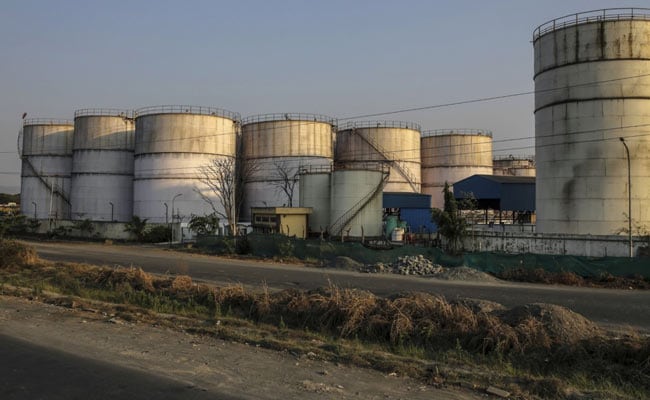
India's refiners are turning to spot oil from Africa and North America as long-term suppliers in the Middle East cut output and as demand for gasoline jumps amid the Covid-19 pandemic. Spot crude imports into the world's third-largest oil market will rise by 10 per cent to 15 per cent this year from 2020, according to industry consultant Facts Global Energy. The increased purchases are coming as India's top suppliers, including Saudi Arabia and Iraq, curtail output as part of the OPEC+ pact.
The shift underscores how other producers are benefiting from the cuts as consumption returns in markets like India. It's been especially good to exporters like the U.S. and Nigeria, whose crude produces more gasoline that's in high demand as the pandemic pushes people to private cars instead of public transport.
"The pullback from traditional term suppliers came when refiners maximized throughput to align with the robust domestic demand recovery," said Senthil Kumaran, FGE's head of South Asia oil. "They were forced to scramble for spot supplies to bridge the shortfall."

Bharat Petroleum Corporation, India's second biggest state-owned refiner, has increased the proportion of spot crude purchases to about 45 per cent from about 30 per cent normally, according to Finance Director N. Vijayagopal. The company plans to keep spot about 40 per cent of supply in at least the medium term.
"We are trying to increase the proportion of spot in the overall basket," Mr Vijayagopal said.
BPCL boosted refinery runs to 113 per cent in January, and the other major state-owned refiners, Indian Oil Corporation and Hindustan Petroleum Corporatoion are also operating above capacity, company officials said. While demand for gasoline and liquid petroleum gas for cooking has surged, diesel's rebound has been slower and jet fuel consumption is still half of what it was a year ago as most international routes remain shut.
That's leading to a shift in where India is sourcing its barrels. Middle East oil tends to yield more diesel, while crude from the North Sea, West Africa and U.S. shale fields usually produce more LPG and gasoline. Crude imports from Nigeria in December jumped 68 per cent from the previous year, while U.S. oil purchases surged almost 77 per cent, according to government data.
"Gasoline demand growth is expected to sustain, because once you are used to private commuting, it's difficult to shift back to public transport," Hindustan Petroleum Chairman Mukesh Kumar Surana said. "Refineries will explore all possibilities to increase gasoline production."
The Organization of Petroleum Export Countries and partners like Russia began a record output cut of 9.7 million barrels a day last year after the coronavirus pandemic battered demand. Some of that production has returned, but Saudi Arabia is making additional cuts in February and March to add stability to the market.
OPEC+ members are unlikely to change its production policy at their next meeting on March 4, and will probably agree to keep output steady in April, Iraq's Oil Minister Ihsan Abdul Jabbar said. And as long as people in India want to travel in private cars and cook at home, the strong spot purchases should continue, according to FGE.
"They will continue to import lighter grades as long as the economics allow them to do so," Mr Kumaran said.
(Except for the headline, this story has not been edited by NDTV staff and is published from a syndicated feed.)

-
Midterm Rally Lasted A Day. The Hard Reality Of A Divided US May Last Two Years | Opinion

Between a contested AI boom, a debt ceiling that arrives in 2027 and a president with every incentive to act alone, the next two years may prove more volatile than the first day's rally suggests.
-
Blue Wave Will Derail the AI Trade but Won't Dismantle the AI Era | Unhedged Position
The Democrats' sweep of the US Congress will see politics collide with economic forces both over the long and short term.
-
It's Time To Take The GST Council's Bet On Trust Global
Payment records can prove India's services exports, and clear, proportionate rules can bring foreign digital sellers into the tax net.
-
Opinion | India at 38: From Innovation Overperformer to Innovation Powerhouse
India now has 453 VC-backed deep science startups, 18 of them late-stage, after 117 percent growth since 2020. Laurus Labs, at USD 9.3 billion, is the most valuable deep science company in any middle-income economy outside China.
-
Navigating Energy Crossroads: S Jaishankar's Call For Diversified Supply Chains At G20 Ministerial Meeting
As geopolitical fault lines continue to test maritime trade routes and commodity flows, Jaishankar's message remains pertinent: true economic resilience requires open markets, protected transit lines, and a genuine commitment to multilateral cooperation rather than coercion.
-
Indians Are Travelling, But Not Every Journey Is A Holiday | The Week In Whys
Pilgrims, patients and working women are the real travellers, and the system hasn't quite caught up with them.
-
Getting To Work Costs Women More | The Reason Why
It is not just about women paying more than men. It is about women paying much more in cities than in villages.
-
AI Bias In Investing Cannot Be Eliminated, But It Can Be Governed
Framing is a particularly important example as identical financial information presented in terms of gains rather than losses can lead an LLM to reach a different assessment.
-
Joining The Dots | Dark Skies, Steady Diya: Why Hope Holds This Diwali
With war, a weak rupee and foreign outflows weighing on sentiment, policymakers at the NDTV World Summit and market veterans at NDTV Profit Ignite: Diwali Edition offered the same advice: stay invested and filter out the noise.









