Why Morgan Stanley Does Not See A Repeat Of 1997 Or 2013 Crisis For Asia
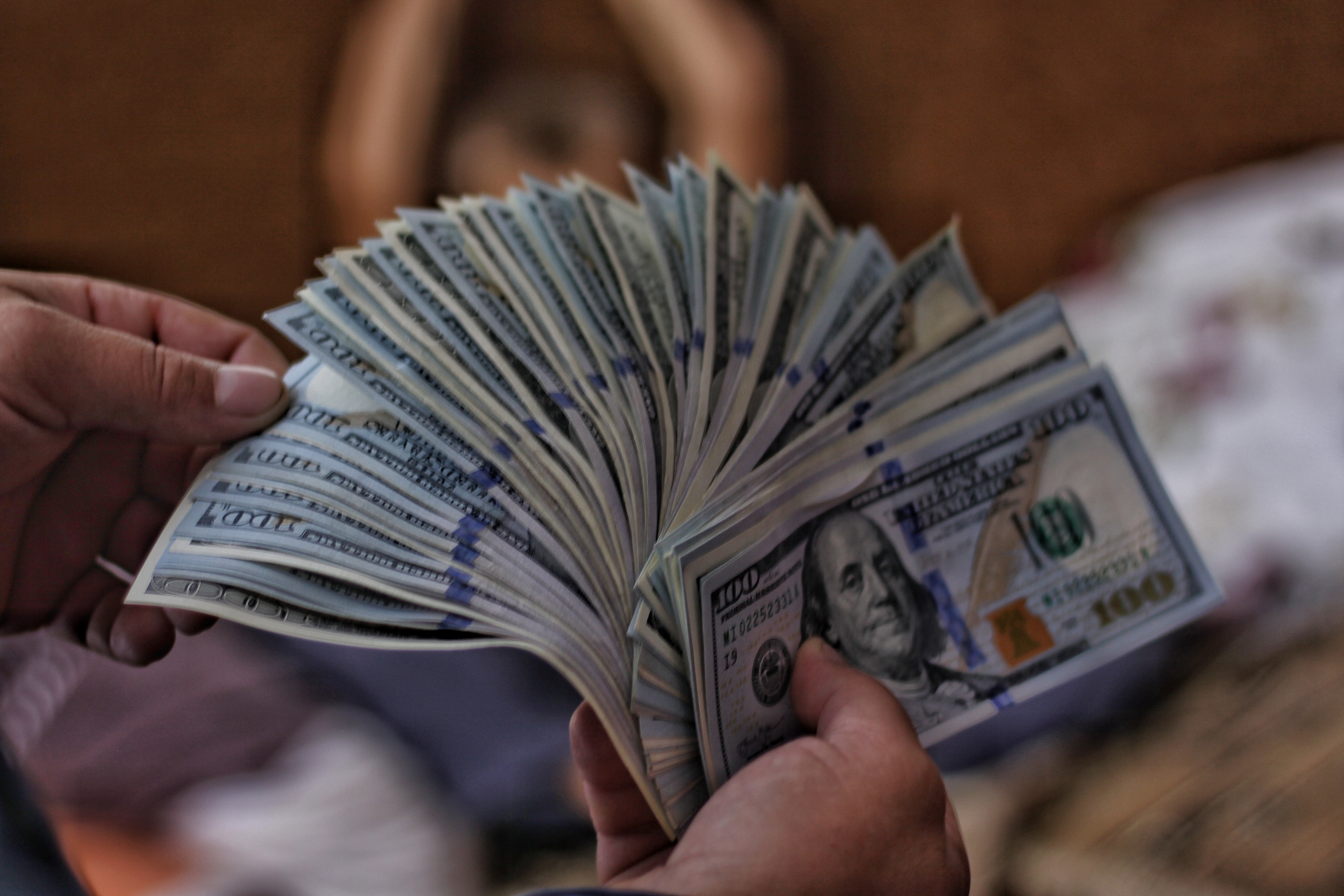
Asian markets are unlikely to suffer a financial crisis like in 1997-98 or 2013 even as the U.S. dollar continues to strengthen, according to report released by Morgan Stanley.
The recent sharp run-up in the dollar has prompted concerns about the impact on the rest of the world, the research house said. "Specifically for Asia, investors are asking if central banks in the region will have to hike aggressively and disruptively like in 2013 or will this lead to a financial crisis like in 1997/98.”
However, this cycle is "very different for Asia”, Morgan Stanley said.
“Unlike in 1997/98 or in 2013, Asia had not levered up excessively prior to the US monetary tightening cycle. There are very limited signs, if at all, of a misallocation of capital or overheating in the region,” it said.
Morgan Stanley attributed the current currency weakness "to the sharp rise in commodity prices earlier in the year, but these effects are expected to reverse soon".
Currencies across Asia, it said, are depreciating because of a stronger dollar environment and not because of any existing imbalances related to the Asia macro situation. “This is best reflected by the fact that trade weighted exchange rates in the region have been relatively stable to appreciating.”

Morgan Stanley expects Asia's growth differentials with the U.S. and other developed markets to rise “significantly” in 2023, provided China reopens in the spring of 2023.
The U.S. Federal Reserve's continuous tightening of monetary policy in a bid to tame inflation has led to the dollar index surging. In contrast to the U.S., Asian peers haven't followed suit as aggressively.
“In this cycle, we still see the main anchor to central banks' policy reaction as being the domestic growth and inflation trajectory,” the report said. “However, because there has been less overheating or mis-allocation and the inflation problem in Asia is more benign than in the rest of the world, we don't expect central banks in the region to tighten deeper into restrictive territory and sacrifice domestic demand in the process.”


A “rapid and disorderly” currency depreciation in Asia can still impact price and financial stability and can also raise the servicing costs of external debt.
But Morgan Stanley underscores that most Asian economies do have adequate foreign exchange reserve buffers, with reserves more than able to cover the amount of short-term external debt.
It expects policy makers to step in and manage the situation should market conditions turn volatile.
While Asia's inflation has likely peaked, a renewed rise in oil prices could reinject upward impetus to the inflation path, which would in turn prompt a faster pace of rate hikes and higher terminal rates, it said.


-
Love, Sex Aur Dhokha: The Audacious Plot To Spy On Jensen Huang

A Taipei dinner, a Singapore chip buyer and a suspected Chinese asset: inside the alleged spy operation that got close to NVIDIA's Jensen Huang.
-
Ten Things I Learnt This Samvat
Patience can be a trap. Cheap stocks can stay cheap. Leverage can wipe you out. What did Samvat 2082 teach us? Niraj Shah writes on 10 lessons from the year gone by.
-
Talking Points This Week: Tech Nerves, FII Buying, And A Faraway Banking Shock
The global markets are not shining this Diwali. The exception in the large markets is, India.
-
Midterm Rally Lasted A Day. The Hard Reality Of A Divided US May Last Two Years | Opinion
Between a contested AI boom, a debt ceiling that arrives in 2027 and a president with every incentive to act alone, the next two years may prove more volatile than the first day's rally suggests.
-
Blue Wave Will Derail the AI Trade but Won't Dismantle the AI Era | Unhedged Position
The Democrats' sweep of the US Congress will see politics collide with economic forces both over the long and short term.
-
It's Time To Take The GST Council's Bet On Trust Global
Payment records can prove India's services exports, and clear, proportionate rules can bring foreign digital sellers into the tax net.
-
Opinion | India at 38: From Innovation Overperformer to Innovation Powerhouse
India now has 453 VC-backed deep science startups, 18 of them late-stage, after 117 percent growth since 2020. Laurus Labs, at USD 9.3 billion, is the most valuable deep science company in any middle-income economy outside China.
-
Navigating Energy Crossroads: S Jaishankar's Call For Diversified Supply Chains At G20 Ministerial Meeting
As geopolitical fault lines continue to test maritime trade routes and commodity flows, Jaishankar's message remains pertinent: true economic resilience requires open markets, protected transit lines, and a genuine commitment to multilateral cooperation rather than coercion.
-
Indians Are Travelling, But Not Every Journey Is A Holiday | The Week In Whys
Pilgrims, patients and working women are the real travellers, and the system hasn't quite caught up with them.









