This ‘Poor Man’s Grain’ Is Showing Up on Michelin-Starred Menus
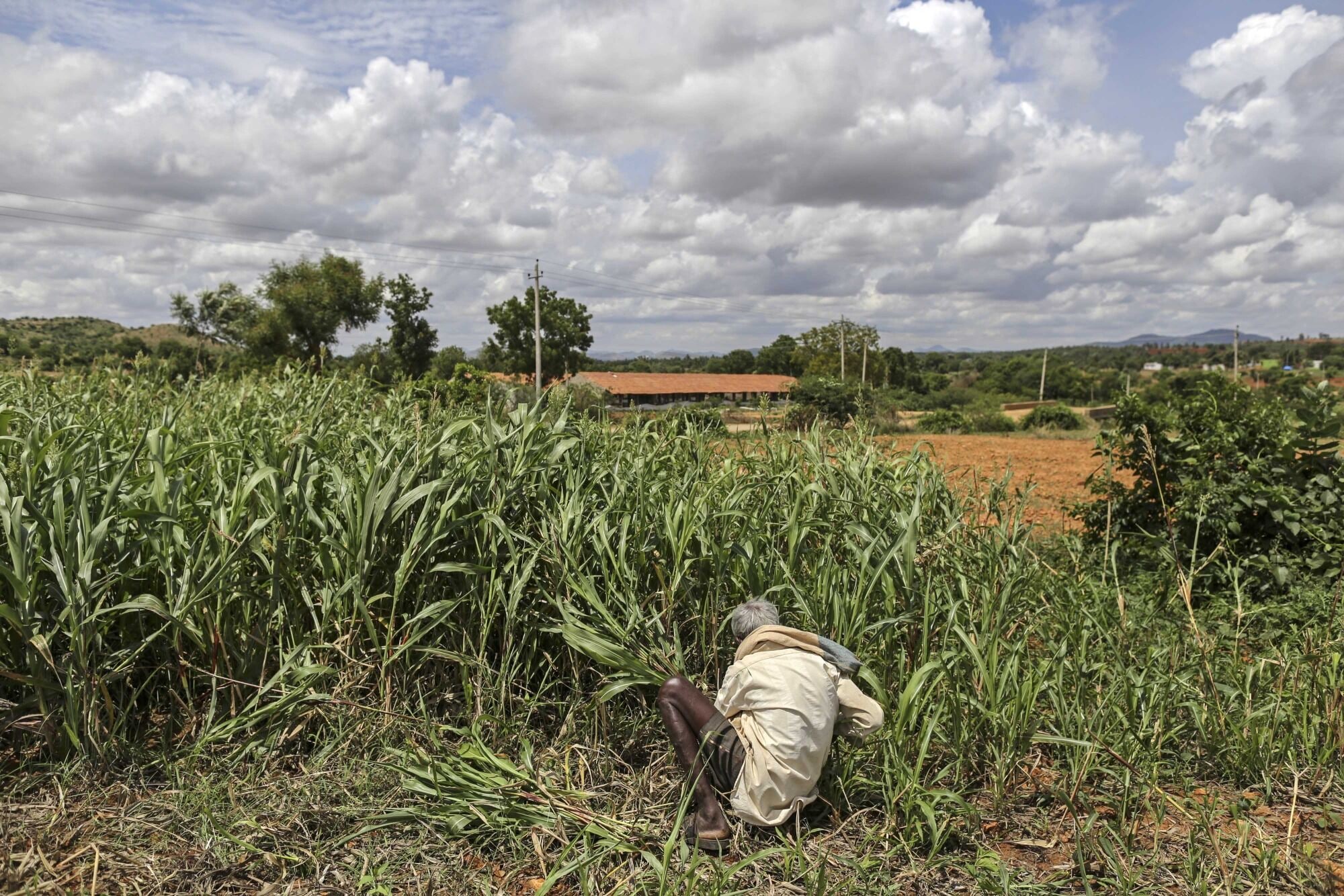
(Bloomberg) -- For almost 8,000 years, millet has been nourishing the world without getting much attention. But recently, the nutrient-rich grains got their moment in the international spotlight. At the White House state dinner for India Prime Minister Narendra Modi in June, millet was served in a first-course salad with grilled corn.
This ancient super grain, once a staple of diets in India and South Africa, actually comprises small seeds that come from grasses that include pearl millet, the most common variety, as well as fonio and teff. (The category is referred to in India by its plural, millets, and singularly elsewhere). It can be served simply, as a porridge-style dish, or mixed into salads, soups and stews.
A global PR push has brought millet a lot more attention this year. The UN's Food and Agriculture Organization named 2023 the International Year of Millets, leading to the ingredient showing up everywhere, from restaurants in Indian hotels to the India's Parliamentary canteen. Modi has been vigorously promoting the grain at home and abroad.
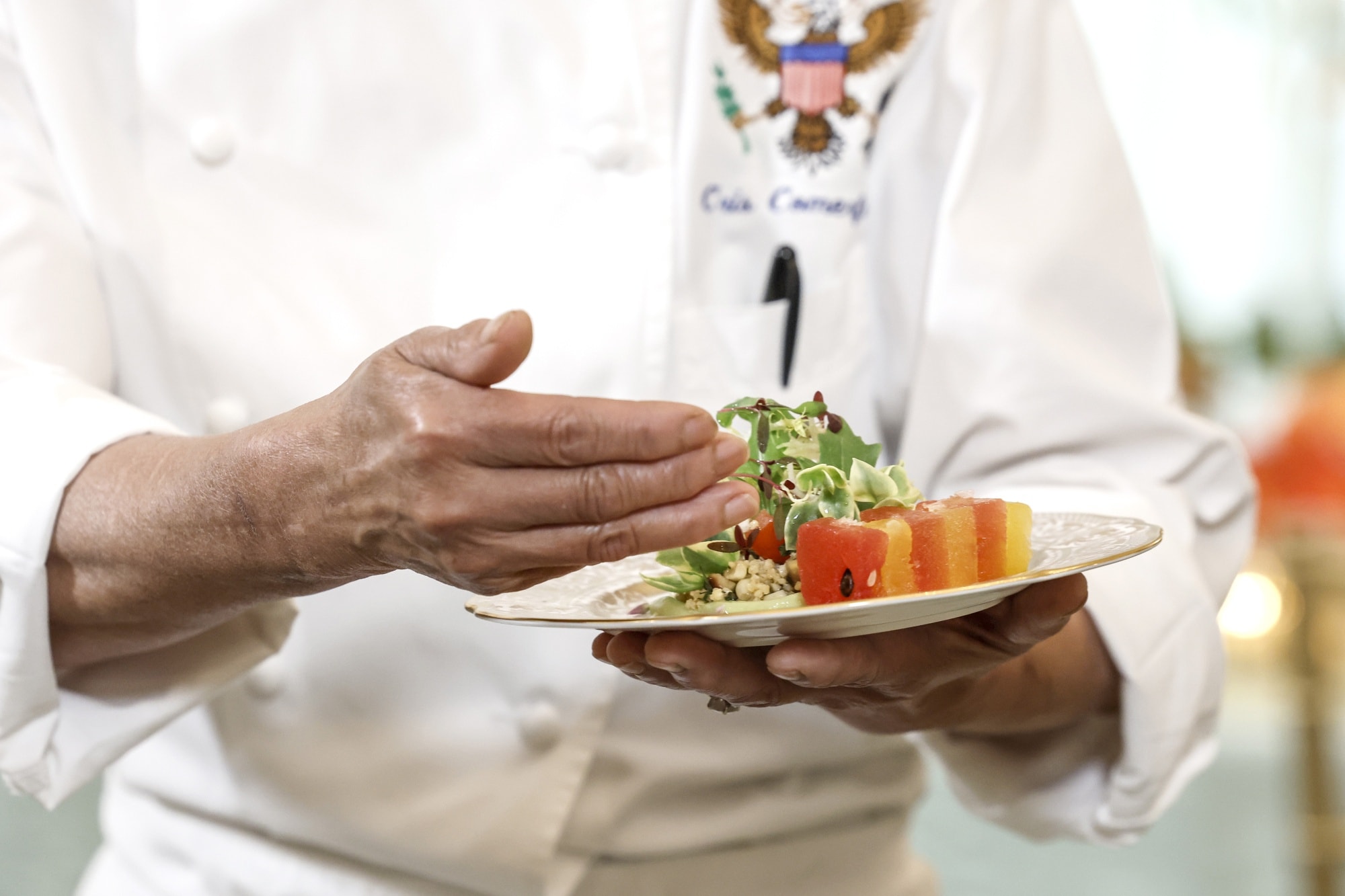
As Indian fine dining gains global recognition, millet is showing up on more top restaurant menus. In Dubai, chef Rahul Rana uses millet on his menu at Avatara, which won a Michelin star this year. He says millet is proving an important ingredient at the vegetarian restaurant, and he plans to incorporate it into additional dishes on the next iteration of the 16-course degustation menu.
“It is one of the most beautiful ingredients to cook with in the kitchen,” he says, describing millet as having subtle, nutty flavors. It's also gluten-free, an important bonus feature when restaurants are increasingly expected to offer choices for varied dietary restrictions.
A post shared by Avatara (@avatara.ae)
Once called the “poor man's cereals,” millet fell out of favor after radical changes in agriculture around the world in the 1960s prompted increases in wheat and rice production.
They've been staging a slow return. Large breweries such as India-based Great State Ale Works and Canada-based Glutenberg are using modern techniques to brew millet beer.
Consumer goods companies are betting on increasing demand with innovative, millet-based snacks. Large companies including Nestlé SA, Britannia Industries Ltd, Tata Consumer Products Ltd and Slurrp Farm are creating millet-based products such as cereals, biscuits and pancake mix to help make the grains more available to a mainstream audience.
“Millets sit at the sweet spot of the intersection between sustainability, health and going back to our roots,” says Prashant Parameswaran, managing director at Tata Consumer Soulfull, which makes millet-based products for children and adults. “These grains are making a comeback to modern Indian kitchens, as consumers seek out healthy food options.
For the large part, though, global investment in millet has been stagnant, says Makiko Taguchi, agricultural officer at the UN Food and Agriculture Organization. “We hope that it will start increasing slowly overall. However, it won't be a drastic increase,” she says.
Advocates who focus on hunger and climate change are hoping interest in millet will rise. As a drought-resistant grain, it's an excellent climate-conscious crop when extreme weather is wreaking havoc on harvests in India's agrarian economy. The weather impacts have been so severe that the government is considering banning the export of many rice varieties to keep domestic prices down.
Read more: African Grain Fonio Holds Promise As a Climate Change Superfood
A better choice than many starches, the high-protein, iron-loaded millet can help prevent ulcers, obesity and cardiovascular disease, leading some to say millet needs to regain its status as a staple. “At least one meal a day should be with the millets,” says Avula Laxmaiah, national secretary of the Nutrition Society of India.
Millet is hardy and can withstand temperatures of up to 50C (122F). One kilogram (2.2lbs) of rice requires 4,000 liters (1,057 gallons) of water; one kilogram of millet needs only 400 liters.
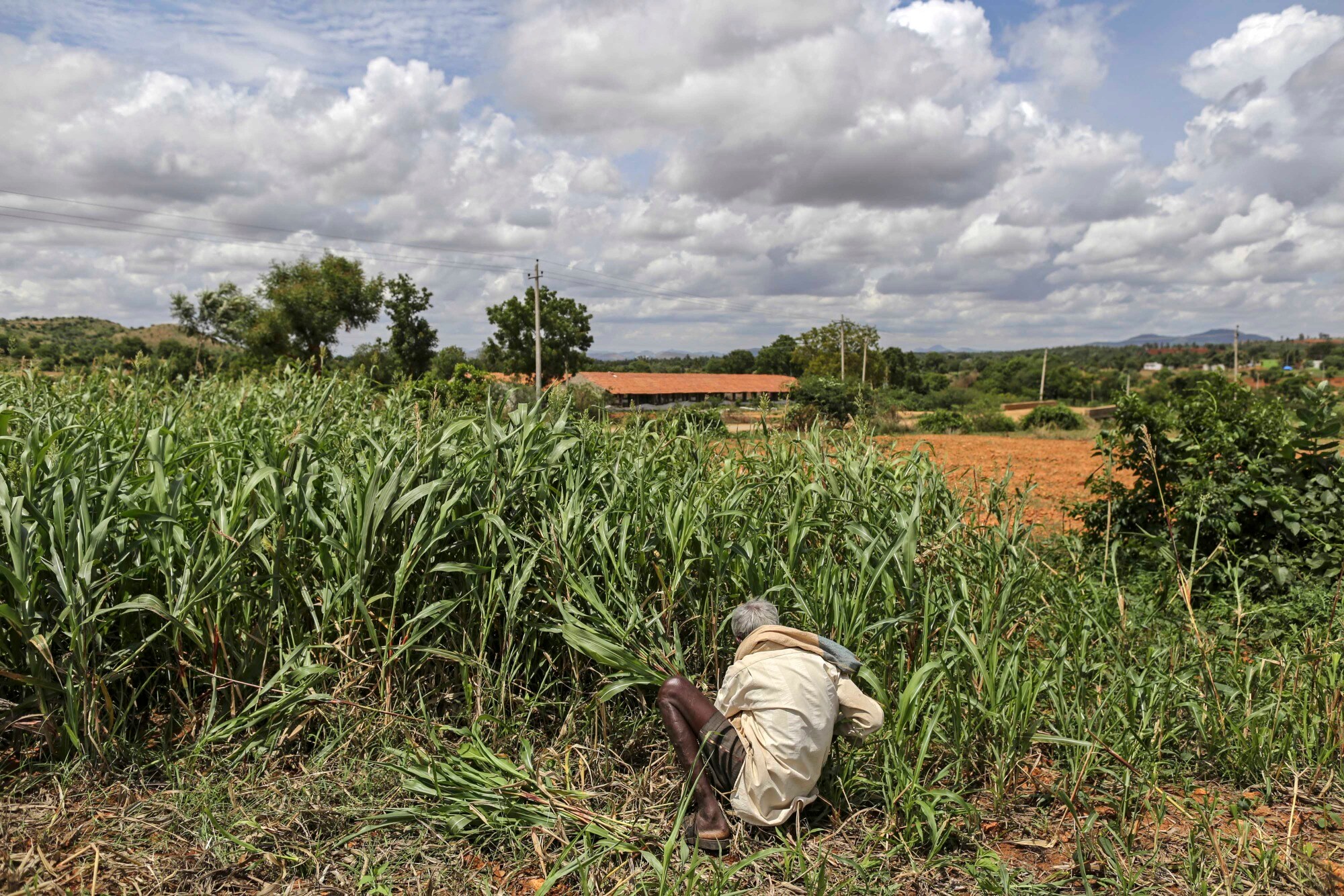
A boost for millet would be a boon to India, one of the largest exporters of cereals. The country is poised to become the global hub for millet with production of more than 17 million tons annually—about 80% of Asia's production.
Still, there are challenges in getting millet onto plates. The super grain now costs almost double the price of wheat-based products, thanks to government subsidies for competing crops. Parameswaran says that as more players enter the market, and millet-based products become widely available, costs are likely to even out.
“As more people start seeing products that are a fit with their preferences and blend well into their lifestyle, widespread acceptance for these grains will grow,” he says.
--With assistance from Pratik Parija.
More stories like this are available on bloomberg.com
©2023 Bloomberg L.P.

-
A New Samvat Wishlist: Inclusive Prosperity And Human Development

India has strengthened its economic foundations through infrastructure, digital access and enterprise. Its next growth chapter must deepen productivity, create better livelihoods and widen participation in prosperity.
-
Love, Sex Aur Dhokha: The Audacious Plot To Spy On Jensen Huang
A Taipei dinner, a Singapore chip buyer and a suspected Chinese asset: inside the alleged spy operation that got close to NVIDIA's Jensen Huang.
-
Ten Things I Learnt This Samvat
Patience can be a trap. Cheap stocks can stay cheap. Leverage can wipe you out. What did Samvat 2082 teach us? Niraj Shah writes on 10 lessons from the year gone by.
-
Talking Points This Week: Tech Nerves, FII Buying, And A Faraway Banking Shock
The global markets are not shining this Diwali. The exception in the large markets is, India.
-
Midterm Rally Lasted A Day. The Hard Reality Of A Divided US May Last Two Years | Opinion
Between a contested AI boom, a debt ceiling that arrives in 2027 and a president with every incentive to act alone, the next two years may prove more volatile than the first day's rally suggests.
-
Blue Wave Will Derail the AI Trade but Won't Dismantle the AI Era | Unhedged Position
The Democrats' sweep of the US Congress will see politics collide with economic forces both over the long and short term.
-
It's Time To Take The GST Council's Bet On Trust Global
Payment records can prove India's services exports, and clear, proportionate rules can bring foreign digital sellers into the tax net.
-
Opinion | India at 38: From Innovation Overperformer to Innovation Powerhouse
India now has 453 VC-backed deep science startups, 18 of them late-stage, after 117 percent growth since 2020. Laurus Labs, at USD 9.3 billion, is the most valuable deep science company in any middle-income economy outside China.
-
Navigating Energy Crossroads: S Jaishankar's Call For Diversified Supply Chains At G20 Ministerial Meeting
As geopolitical fault lines continue to test maritime trade routes and commodity flows, Jaishankar's message remains pertinent: true economic resilience requires open markets, protected transit lines, and a genuine commitment to multilateral cooperation rather than coercion.









