Why GSK Is Exploring The Sale Of Its Indian Consumer Arm
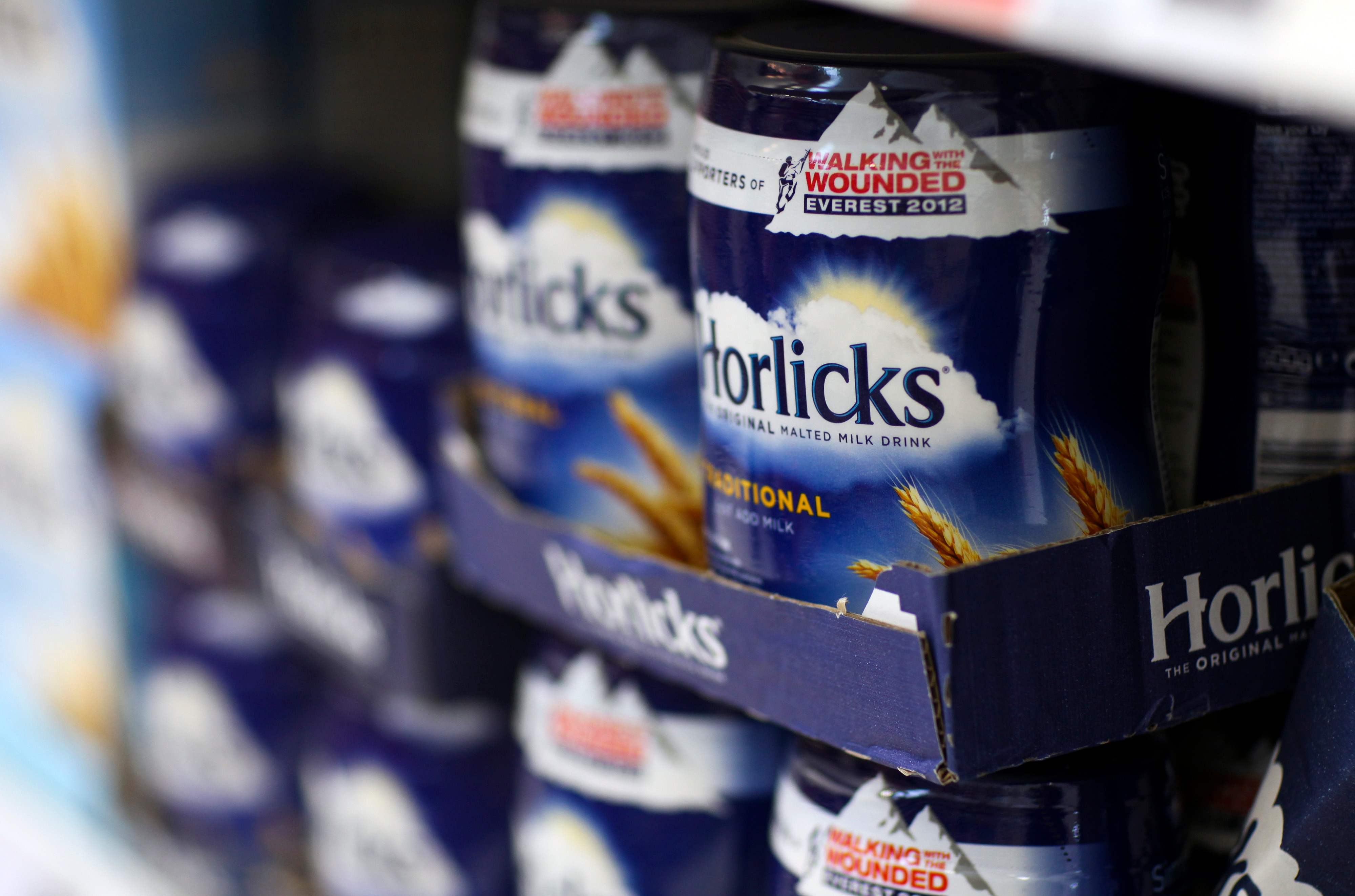
GlaxoSmithKline Plc said it's considering selling stake in its Indian consumer health subsidiary to fund the buyout of Novartis' 36.5 percent stake in its consumer healthcare joint venture for $13 billion. But why the Indian arm?
For one, sales of the listed GlaxoSmithKline Consumer Healthcare Ltd., the maker of Horlicks malted milk drink, have stagnated in the last three financial years.

A potential exit also ties in with its British parent's plan to focus on the pharmaceutical business.
Consumer Healthcare will continue to invest in growth opportunities for its OTC (over-the-counter) and oral health brands in the country such as Sensodyne and ENO.GlaxoSmithKline Plc management conference call
GSK holds 72.45 percent stake in its Indian consumer business arm and 75 percent in GlaxoSmithKline Pharmaceuticals Ltd.
GlaxoSmithKline Consumer Healthcare, in an emailed response to BloombergQuint, reiterated that the purpose of the review is to “assess strategic options for our well-known and highly valued nutrition brands, including Horlicks and Boost”. There can be no assurance that the review, to be concluded by the end of this year, will result in any transaction, it said.
A strategic review of the Indian consumer healthcare arm and the proposed buyout of Novartis' stake clearly shows that its focus is on its core pharmaceutical business and is creating a war chest by reviewing Horlicks and the Indian consumer subsidiary, Arvind Singhal, chairman at retail consultant Technopak Advisors, said.
Also, stagnant revenue suggests Horlicks and Boost that dominate the Indian market aren't growing much. The two malted drinks, according to JPMorgan, have a 56 percent share in the market. They contribute about 95 percent of GSK Consumer Healthcare's revenue.
The company faces the structural issue of decrease in consumer relevance for the health drinks and intense competition from peers like Abbott's Pediasure, brokerage Ambit Capital Private Ltd., which has a ‘Sell' call on the stock, had said after the company's December quarter results. “Rebuilding demand for the category would require significant time and margin investment. While GSK Consumer Healthcare is expected to gain market share in the health food drinks, we believe the category growth could be lower than most other FMCG categories.”
Horlicks and Boost compete with Mondelez's Bournvita, Kraft Heinz's Complan, Abbott's Pediasure and Danone's Protinex. JP Morgan, which has a ‘Buy' call on GSK Consumer Healthcare, said in a note after GlaxoSmithKline's announcement that Reckitt Benckiser has an opportunity to scale up presence in the nutrition segment after it recently acquired Mead Johnson.
A slowdown in the health drink business could result in another concern, said Sachin Bobade, senior research analyst at Dolat Capital. “Consumer companies usually have high valuations due to strong growth rates and high margins,” he said. “The health beverage category has been witnessing a consistent slowdown and even Horlicks hasn't performed well, which will impact GSK Consumer Healthcare's valuations.”
Also Read: GSK's $13 Billion Novartis Deal Is Only Just the Start

-
High US Salaries, No Green Card Certainty: The Financial Calculation Facing Indian H-1B Families

The suspension of PERM processing at eight technology employers does not cancel existing H-1B visas. What it does is force a question many Indian families have been avoiding: is the US salary worth tying your career and family plans to one employer?
-
Swiggy vs Eternal: Food Delivery's Two Rivals Are No Longer In The Same Race
Eternal is building a private AI assistant, dark.ai. Swiggy is still working out how to make Instamart pay, with an operating loss of Rs 895 crore in the July-September quarter while Blinkit stayed profitable.
-
Where You Live Shapes How You Get To Work | The Reason Why
Two-wheelers are the most popular way to get to work in India, accounting for nearly 43% of workplace commutes.
-
Unhedged Position: Can India See An Indonesia-Style Time Correction?
The Nifty is trading below levels it first clocked in 2024. Is there, then, as I have suggested in the headline, potential that the current time correction drags on painfully for the next three-five, even ten years?
-
Navigating Friction And Energy Realities: An Analysis Of Marco Rubio's October Visit To India
Occurring at a critical juncture marked by stalled trade negotiations and escalating geopolitical pressures over global energy supplies, the visit offers a profound window into modern US-India relations.
-
India Exports Capital. Why Not Export Trusteeship?
The big question, then, is whether India can build an institution that global borrowers, investors, banks, and lawyers can trust, even without an Indian connection.
-
France's Economy & Politics Are In Crisis | The Reason Why
Let's look at how the French economy and politics evolved under Nicolas Sarkozy, Franois Hollande and Emmanuel Macron.
-
You May Inherit The Business. You Must Earn Its Credibility.
Succession tests the founder's ability to share authority as much as it tests the next generation's readiness to assume it.
-
Signing Deals Is One Thing; Making Them Work Is Another | The Week In Whys
Sometimes, things don't turn out as planned. Indian companies have lost some bids to rivals, some projects won't produce until 2030.
-
FOMC Wall, PERM Suspension, Hospital Stocks | Talking Points This Week
A PERM suspension would directly affect green-card sponsorship rather than H-1B visas, so the near-term earnings impact could remain relatively limited. The key question is whether this marks a new phase in US scrutiny of Indian IT.









