Wheat Prices Jump To 6-Month High Due To Limited Supply, Robust Demand
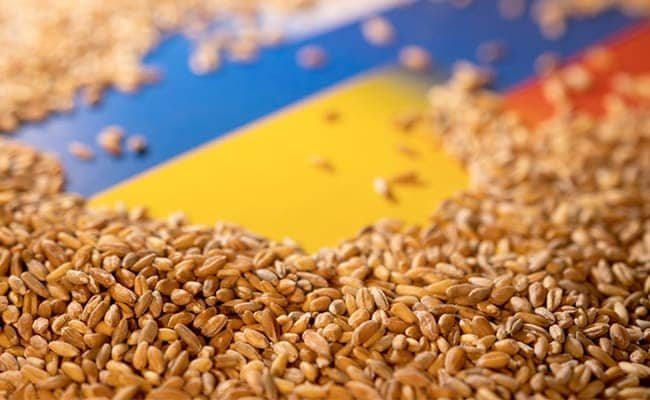
Wheat prices in India surged to a six-month high on Tuesday due to limited supplies and robust demand ahead of the festival season, dealers said.
The increasing prices may prompt Centre to eliminate import duties on the cereal to bolster supplies and control prices ahead of key state polls and next year's general election.
Rising wheat prices could contribute to food inflation and potentially complicate the efforts of both the government and the central bank to contain inflation.
"In all key producing states, farmer supplies have nearly come to a halt. Flour mills are struggling to obtain sufficient supplies in the market," said a New Delhi-based trader.
Wheat prices at Indore in the central state of Madhya Pradesh rose by 1.5% on Tuesday to 25,446 rupees ($307.33) per metric ton, the highest since Feb. 10. Prices have surged by nearly 18% over the past four months.
The government should release stocks from its warehouses into the open market to avoid potential shortages during the festive season, said a Mumbai-based dealer associated with a global trade house.
As of August 1, wheat stocks in government warehouses stood at 28.3 million metric tons, an increase from the 26.6 million metric tons recorded a year earlier.
"Imports are necessary to lower prices. The government cannot increase supplies without imports," the dealer said.
India is considering cutting or even abolishing a 40% import tax on wheat and lowering a limit on the amount of wheat stocks millers and traders can hold, Sanjeev Chopra, the most senior civil servant at the federal food ministry, said last week.
Wheat output rose to a record 112.74 million metric tons in 2023, up from 107.7 million metric tons a year earlier, according to the Ministry of Agriculture & Farmers Welfare.
India consumes around 108 million metric tons of wheat annually.
But a leading trade body told Reuters in June that India's wheat harvest in 2023 was at least 10% lower than the farm ministry's estimate.
(Except for the headline, this story has not been edited by NDTV staff and is published from a syndicated feed.)

-
A New Samvat Wishlist: Inclusive Prosperity And Human Development

India has strengthened its economic foundations through infrastructure, digital access and enterprise. Its next growth chapter must deepen productivity, create better livelihoods and widen participation in prosperity.
-
Love, Sex Aur Dhokha: The Audacious Plot To Spy On Jensen Huang
A Taipei dinner, a Singapore chip buyer and a suspected Chinese asset: inside the alleged spy operation that got close to NVIDIA's Jensen Huang.
-
Ten Things I Learnt This Samvat
Patience can be a trap. Cheap stocks can stay cheap. Leverage can wipe you out. What did Samvat 2082 teach us? Niraj Shah writes on 10 lessons from the year gone by.
-
Talking Points This Week: Tech Nerves, FII Buying, And A Faraway Banking Shock
The global markets are not shining this Diwali. The exception in the large markets is, India.
-
Midterm Rally Lasted A Day. The Hard Reality Of A Divided US May Last Two Years | Opinion
Between a contested AI boom, a debt ceiling that arrives in 2027 and a president with every incentive to act alone, the next two years may prove more volatile than the first day's rally suggests.
-
Blue Wave Will Derail the AI Trade but Won't Dismantle the AI Era | Unhedged Position
The Democrats' sweep of the US Congress will see politics collide with economic forces both over the long and short term.
-
It's Time To Take The GST Council's Bet On Trust Global
Payment records can prove India's services exports, and clear, proportionate rules can bring foreign digital sellers into the tax net.
-
Opinion | India at 38: From Innovation Overperformer to Innovation Powerhouse
India now has 453 VC-backed deep science startups, 18 of them late-stage, after 117 percent growth since 2020. Laurus Labs, at USD 9.3 billion, is the most valuable deep science company in any middle-income economy outside China.
-
Navigating Energy Crossroads: S Jaishankar's Call For Diversified Supply Chains At G20 Ministerial Meeting
As geopolitical fault lines continue to test maritime trade routes and commodity flows, Jaishankar's message remains pertinent: true economic resilience requires open markets, protected transit lines, and a genuine commitment to multilateral cooperation rather than coercion.









