What The RBI Giveth, GST Taketh Away
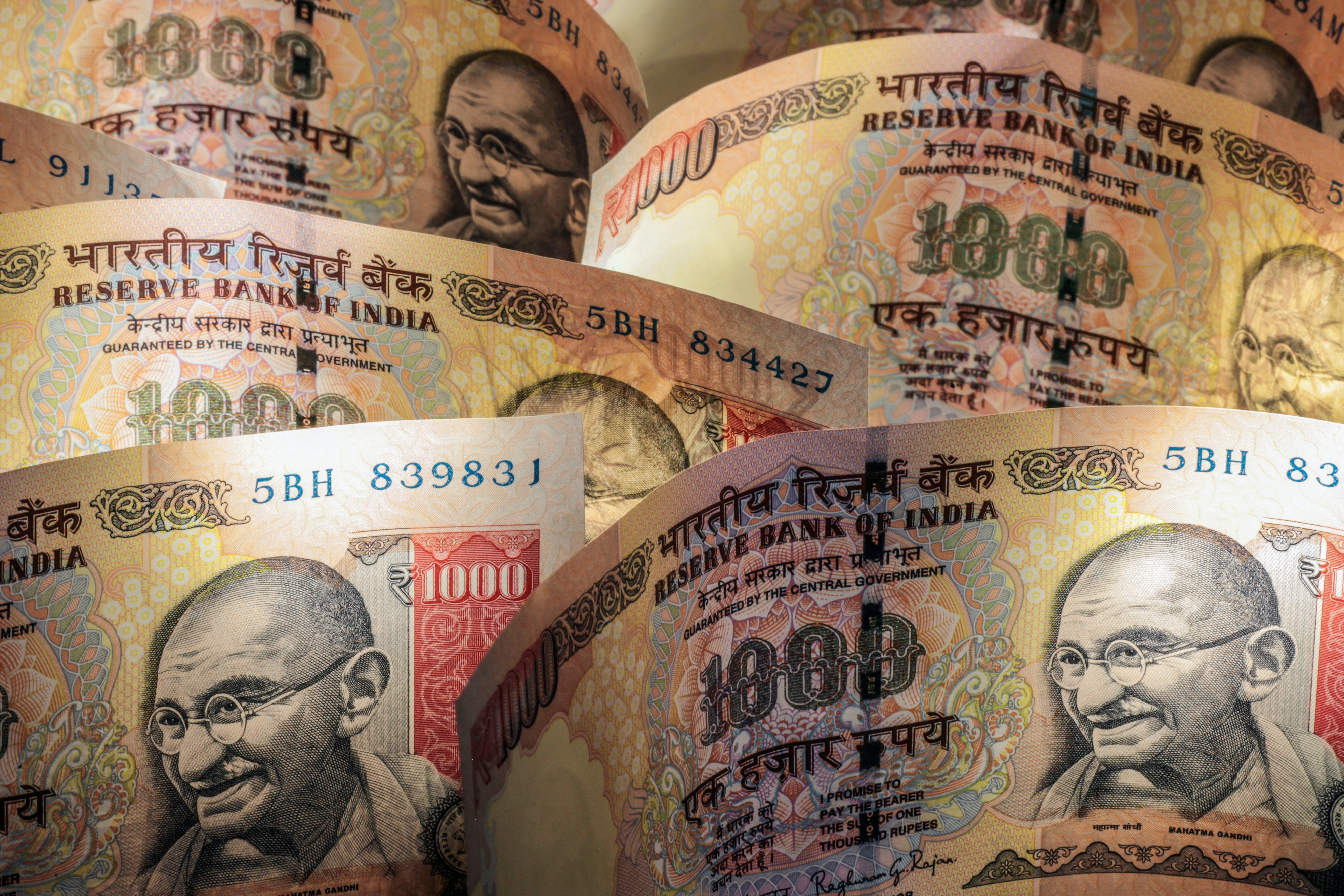
The government has been clamouring for a cut in interest rates for some time now. As inflation has eased, the Reserve Bank of India (RBI) has made good on at least part of that demand.
Since the start of 2015, the RBI has reduced its benchmark repo rate by 175 basis points to 6.25 percent. Banks, while slow to pass on the rate cuts, have reduced their lending rates by about 90 basis points. Expectation is that rates in the economy may fall further if the RBI chooses to bring down its policy rates by another 25-50 basis points over the remainder of this financial year and the early part of next year.
Except that it seems the Goods and Services Tax (GST) may take away some part of this benefit. Or actually, all of it and then some.
Defining The Definition
The source of ambiguity is the broad definition of goods and services used in the model GST law.
The model law defines a good as “every kind of movable property other than actionable claim and money but includes securities, growing crops, grass and things attached to or forming part of the land which are agreed to be severed before supply or under the contract of supply.”
It goes on to define “services'' as “anything other than goods.”
The model law puts in a brief explanation and says that services include intangible property and actionable claim but does not include money.
It, however, does not explicitly exclude interest from the list of services. This is contrary to the stance under the current taxation system where the service tax negative list clearly excludes interest.
The negative list says that “extending deposits, loans or advances in so far as the consideration is represented by way of interest or discount” will not be subject to service tax.
It is true that the model law does not exclude interest from any definition since a service is defined as anything other than a good. Practically, however, there is no case for making interest taxable. We would expect it to be included in the negative list.Jigar Doshi, Partner – Indirect Taxation, SKP Group
Clarification Key For Financial Services Industry
The clarification is crucial for the banking sector and the economy.
Should GST be charged on interest, the additional cost would most certainly be passed on to the consumer, increasing interest rates in the economy. This, in turn, would undo benefits of the reduction in rates since the start of 2015.
Current Model Law has a broad definition of Services (other than goods) and accordingly by implication one could argue that interest on loans, purchase and sale of securities may get included in the ambit of GST. This would have a far reaching effect on the industry. The transaction costs would increase by atleast a base rate of 12-18%.Kalpesh Mehta, Partner, Deloitte Haskins and Sells LLP
Mehta added that the GST council meeting in the first week of November is likely to consider recommendations from the industry regarding clarifications on the coverage of GST.
The global practice, said Mehta, is to exclude interest income from GST and it is expected that India will follow suit.
“However, processing charges, administrative fee and such other levies other than interest could potentially attract GST,” he added.

-
Navigating Friction And Energy Realities: An Analysis Of Marco Rubio's October Visit To India

Occurring at a critical juncture marked by stalled trade negotiations and escalating geopolitical pressures over global energy supplies, the visit offers a profound window into modern US-India relations.
-
India Exports Capital. Why Not Export Trusteeship?
The big question, then, is whether India can build an institution that global borrowers, investors, banks, and lawyers can trust, even without an Indian connection.
-
France's Economy & Politics Are In Crisis | The Reason Why
Let's look at how the French economy and politics evolved under Nicolas Sarkozy, Franois Hollande and Emmanuel Macron.
-
You May Inherit The Business. You Must Earn Its Credibility.
Succession tests the founder's ability to share authority as much as it tests the next generation's readiness to assume it.
-
Signing Deals Is One Thing; Making Them Work Is Another | The Week In Whys
Sometimes, things don't turn out as planned. Indian companies have lost some bids to rivals, some projects won't produce until 2030.
-
FOMC Wall, PERM Suspension, Hospital Stocks | Talking Points This Week
A PERM suspension would directly affect green-card sponsorship rather than H-1B visas, so the near-term earnings impact could remain relatively limited. The key question is whether this marks a new phase in US scrutiny of Indian IT.
-
Everything, Everywhere, All At Once: Dalal Street's Week To Forget | Joining The Dots
Visa curbs, a Starlink spat and cancer drug caps: what connects this week's shocks for Indian markets
-
India Is Going Abroad For Critical Minerals. But It May Take Years To Pay Off | The Reason Why
Although India's steps are in the right direction, they remain modest compared with India's growing dependence.
-
When Everyone Has AI, What Gives You An Edge?
India's young workforce is entering an uncertain world of work where powerful AI tools are becoming widely accessible. The advantage will belong to those who combine deep expertise with digital fluency, and the distinctly human capabilities that technology cannot manufacture.
-
Wrong Labels, High Pesticide Residues Holding Back Agri Exports | The Reason Why
India needs stronger domestic food-safety and labelling standards, with best practices becoming part of everyday business for farmers, traders and food companies.










