Ex-Twitter Boss Jack Dorsey Stirs Uproar With Post On Web3
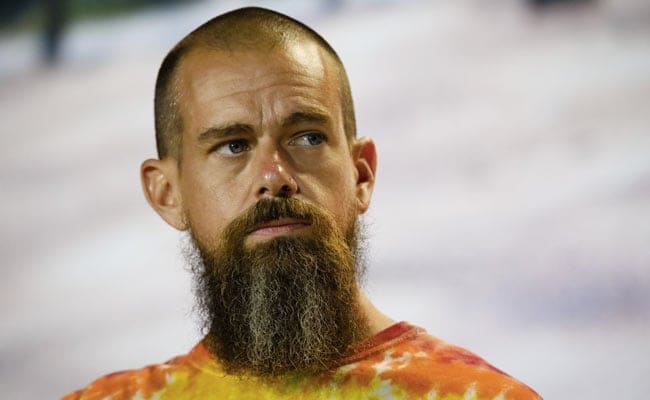
Fresh off relinquishing the chief executive reins of Twitter Inc., Bitcoin enthusiast Jack Dorsey has taken to the service he co-founded to voice his displeasure with so-called Web3 technology and the involvement of venture capital firms like Andreessen Horowitz.
Web3, the still hazy term for blockchain-based, decentralized systems and tech that are meant to replace the internet as we know it, has garnered much attention and funding this year, with Andreessen Horowitz being among its loudest cheerleaders. Trading of non-fungible tokens, or NFTs, on the Ethereum and Solana blockchains has been the most visible manifestation, with many companies now investing in the development of decentralized apps as well as games for those platforms.
“You don't own ‘web3',” tweeted Dorsey. “The VCs and their LPs do. It will never escape their incentives.”
The post drew more than 16,000 likes and thousands of retweets. Many pushed back with comments like “highly disagree” and “dead wrong,” though many others chimed in with support.
Tesla Inc. chief Elon Musk got in on the discussion by asking if anyone has seen Web3, to which Dorsey replied “it's somewhere between a and z,” hinting that it's held under the control of the VC firm founded by Marc Andreessen and Ben Horowitz, commonly contracted to a16z.
You don't own “web3.”
December 21, 2021
The VCs and their LPs do. It will never escape their incentives. It's ultimately a centralized entity with a different label.
Know what you're getting into…Earlier in the day, Dorsey, whose Block Inc. company includes Spiral, a project “aimed at making bitcoin the planet's preferred currency,” tweeted in response to musical artist Cardi B that Bitcoin will replace the U.S. dollar. The series of tweets and responses from the former Twitter boss on Monday stirred disagreement and debate on the service, with a16z General Partner Chris Dixon offering an olive branch by saying he is “a huge fan” of Dorsey and “hoped we can eventually bring him around to ETH and other blockchains.”
“It's critical we focus our energy on truly secure and resilient technologies owned by the mass of people, not individuals or institutions,” Dorsey responded.

-
Navigating Friction And Energy Realities: An Analysis Of Marco Rubio's October Visit To India

Occurring at a critical juncture marked by stalled trade negotiations and escalating geopolitical pressures over global energy supplies, the visit offers a profound window into modern US-India relations.
-
India Exports Capital. Why Not Export Trusteeship?
The big question, then, is whether India can build an institution that global borrowers, investors, banks, and lawyers can trust, even without an Indian connection.
-
France's Economy & Politics Are In Crisis | The Reason Why
Let's look at how the French economy and politics evolved under Nicolas Sarkozy, Franois Hollande and Emmanuel Macron.
-
You May Inherit The Business. You Must Earn Its Credibility.
Succession tests the founder's ability to share authority as much as it tests the next generation's readiness to assume it.
-
Signing Deals Is One Thing; Making Them Work Is Another | The Week In Whys
Sometimes, things don't turn out as planned. Indian companies have lost some bids to rivals, some projects won't produce until 2030.
-
FOMC Wall, PERM Suspension, Hospital Stocks | Talking Points This Week
A PERM suspension would directly affect green-card sponsorship rather than H-1B visas, so the near-term earnings impact could remain relatively limited. The key question is whether this marks a new phase in US scrutiny of Indian IT.
-
Everything, Everywhere, All At Once: Dalal Street's Week To Forget | Joining The Dots
Visa curbs, a Starlink spat and cancer drug caps: what connects this week's shocks for Indian markets
-
India Is Going Abroad For Critical Minerals. But It May Take Years To Pay Off | The Reason Why
Although India's steps are in the right direction, they remain modest compared with India's growing dependence.
-
When Everyone Has AI, What Gives You An Edge?
India's young workforce is entering an uncertain world of work where powerful AI tools are becoming widely accessible. The advantage will belong to those who combine deep expertise with digital fluency, and the distinctly human capabilities that technology cannot manufacture.
-
Wrong Labels, High Pesticide Residues Holding Back Agri Exports | The Reason Why
India needs stronger domestic food-safety and labelling standards, with best practices becoming part of everyday business for farmers, traders and food companies.










