Vietnam Purchased Indian Rice For First Time In Decades, Say Industry Officials
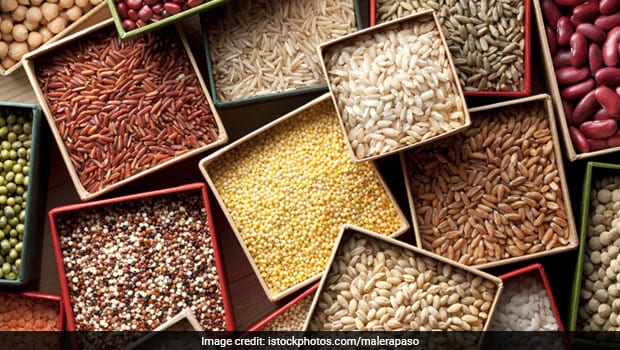
Vietnam, the world's third biggest exporter of rice, has started buying the grain from rival India for the first time in decades after local prices jumped to their highest in nine years amid limited domestic supplies, four industry officials told Reuters. The purchases highlight tightening supplies in Asia, which could lift rice prices in 2021 and even force traditional buyers of rice from Thailand and Vietnam to switch to India - the world's biggest exporter of the grain.
Indian traders have been contracted to export 70,000 tonnes of 100 per cent broken rice for January and February shipments at around $310 per tonne on a free-on-board (FOB) basis, the industry officials say."For the first time, we are exporting to Vietnam," B.V Krishna Rao, president of the Rice Exporters Association, told Reuters on Monday.
"Indian prices are very attractive. The huge price difference is making exports possible." Dwindling supplies and continued Philippine buying have lifted Vietnamese rice export prices to a fresh nine-year high.
Vietnam's 5 per cent broken rice is offered around $500-$505 per tonne, significantly higher compared to Indian prices of $381-$387.The shrinking supplies will heighten concerns about food insecurity with sub-Saharan Africa among the areas where import demand has been increasing due partly to population growth. Chronic and acute hunger is on the rise, impacting vulnerable households in almost every country, with the COVID-19 pandemic reducing incomes and disrupting supply chains, according to the World Bank.
Traders said the global pandemic has also prompted Vietnam and other countries to stockpile rice. Vietnam announced last year it would stockpile 270,000 tonnes of rice to ensure food availability amid coronavirus-driven supply chain disruptions worldwide. Traders in Vietnam said the rice from India had been stockpiled in government reserves since 2016/17 and its relatively cheap price reflected low quality."The rice quality is so poor that it is not good for direct consumption for humans, but only for producing animal feeds and beer," said a rice trader based in Ho Chi Minh City.
Vietnam's total paddy output in 2020 fell 1.85 per cent to 42.69 million tonnes, equivalent to around 21.35 million tonnes of rice, preliminary data from the government's General Statistics Office showed. The country's rice exports in 2020 were forecast to have fallen by 3.5 per cent to 6.15 million tonnes.
Robust demand from Asian and African countries has also been lifting Indian prices but they are still very competitive due to ample stocks, said Nitin Gupta, vice president of Olam India's rice business. Vietnam could make more purchases as long as the price difference remains, Mr Gupta said.
In December, the world's biggest rice importer China started buying Indian rice for the first time in at least three decades due to tightening supplies from Thailand, Myanmar and Vietnam and an offer of sharply discounted prices. In 2020 India exported a record 14 million tonnes of rice, provisional data from the trade ministry showed.

-
Talking Points This Week: Tech Nerves, FII Buying, And A Faraway Banking Shock

The global markets are not shining this Diwali. The exception in the large markets is, India.
-
Midterm Rally Lasted A Day. The Hard Reality Of A Divided US May Last Two Years | Opinion
Between a contested AI boom, a debt ceiling that arrives in 2027 and a president with every incentive to act alone, the next two years may prove more volatile than the first day's rally suggests.
-
Blue Wave Will Derail the AI Trade but Won't Dismantle the AI Era | Unhedged Position
The Democrats' sweep of the US Congress will see politics collide with economic forces both over the long and short term.
-
It's Time To Take The GST Council's Bet On Trust Global
Payment records can prove India's services exports, and clear, proportionate rules can bring foreign digital sellers into the tax net.
-
Opinion | India at 38: From Innovation Overperformer to Innovation Powerhouse
India now has 453 VC-backed deep science startups, 18 of them late-stage, after 117 percent growth since 2020. Laurus Labs, at USD 9.3 billion, is the most valuable deep science company in any middle-income economy outside China.
-
Navigating Energy Crossroads: S Jaishankar's Call For Diversified Supply Chains At G20 Ministerial Meeting
As geopolitical fault lines continue to test maritime trade routes and commodity flows, Jaishankar's message remains pertinent: true economic resilience requires open markets, protected transit lines, and a genuine commitment to multilateral cooperation rather than coercion.
-
Indians Are Travelling, But Not Every Journey Is A Holiday | The Week In Whys
Pilgrims, patients and working women are the real travellers, and the system hasn't quite caught up with them.
-
Getting To Work Costs Women More | The Reason Why
It is not just about women paying more than men. It is about women paying much more in cities than in villages.
-
AI Bias In Investing Cannot Be Eliminated, But It Can Be Governed
Framing is a particularly important example as identical financial information presented in terms of gains rather than losses can lead an LLM to reach a different assessment.









