US Envoy Says Latest Iran Nuclear Talks Were ‘Wasted Occasion’
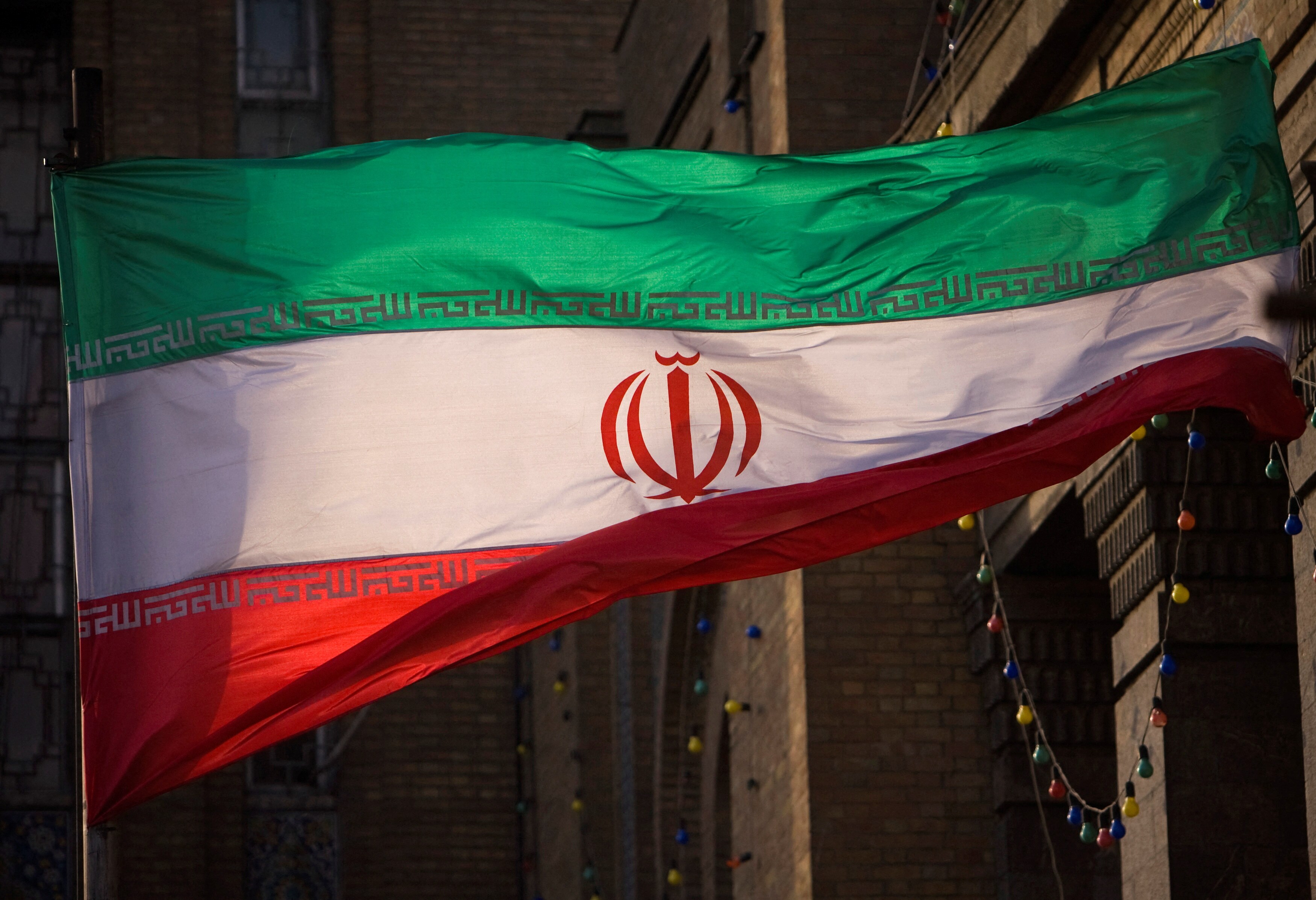
(Bloomberg) -- Iran's rejection of a plan to return to the 2015 international nuclear accord, even as it continues to raise “extraneous demands,” indicates it's not serious about negotiations, the US State Department's spokesman said Tuesday.
“We are at a point where the lack of forward momentum, the lack of progress, is tantamount to backtracking,” Ned Price told reporters, saying that terms of a proposal have been largely complete for months.
Efforts to restore the nuclear agreement, which limited Iran's atomic work in return for sanctions relief, are hanging by a thread. The contours of a deal were drawn at multiparty talks in Vienna but progress stalled in March as the US and Iran disagreed on whether and when to ease penalties not directly linked to the nuclear pact, which then-President Donald Trump exited in 2018.
The disputed issues include Iran's demand that the US remove the Islamic Revolutionary Guard Corps, a powerful military organization, from its list of terrorist groups. Congressional opposition to that move has weighed on President Joe Biden with the approach of midterm elections approach November.
Robert Malley, the US Special Envoy for Iran, told National Public Radio that recent negotiations in Doha amounted to “more than a little bit of a wasted occasion.”
Iran Nuclear Tensions Risk Boiling Over in Middle East: IAEA
Biden's administration has sought for more than a year to revive the deal. During that time, the US has maintained Trump-era sanctions on the country and Iran has rapidly expanded its nuclear work while steadily dialing down international oversight, making it increasingly difficult to persuade American lawmakers and regional allies to support an agreement.
Rafael Mariano Grossi, director of the International Atomic Energy Agency, warned on Tuesday that the lack of progress in verifying Iran's nuclear program may have an impact on the broader region.
More stories like this are available on bloomberg.com
©2022 Bloomberg L.P.

-
A New Samvat Wishlist: Inclusive Prosperity And Human Development

India has strengthened its economic foundations through infrastructure, digital access and enterprise. Its next growth chapter must deepen productivity, create better livelihoods and widen participation in prosperity.
-
Love, Sex Aur Dhokha: The Audacious Plot To Spy On Jensen Huang
A Taipei dinner, a Singapore chip buyer and a suspected Chinese asset: inside the alleged spy operation that got close to NVIDIA's Jensen Huang.
-
Ten Things I Learnt This Samvat
Patience can be a trap. Cheap stocks can stay cheap. Leverage can wipe you out. What did Samvat 2082 teach us? Niraj Shah writes on 10 lessons from the year gone by.
-
Talking Points This Week: Tech Nerves, FII Buying, And A Faraway Banking Shock
The global markets are not shining this Diwali. The exception in the large markets is, India.
-
Midterm Rally Lasted A Day. The Hard Reality Of A Divided US May Last Two Years | Opinion
Between a contested AI boom, a debt ceiling that arrives in 2027 and a president with every incentive to act alone, the next two years may prove more volatile than the first day's rally suggests.
-
Blue Wave Will Derail the AI Trade but Won't Dismantle the AI Era | Unhedged Position
The Democrats' sweep of the US Congress will see politics collide with economic forces both over the long and short term.
-
It's Time To Take The GST Council's Bet On Trust Global
Payment records can prove India's services exports, and clear, proportionate rules can bring foreign digital sellers into the tax net.
-
Opinion | India at 38: From Innovation Overperformer to Innovation Powerhouse
India now has 453 VC-backed deep science startups, 18 of them late-stage, after 117 percent growth since 2020. Laurus Labs, at USD 9.3 billion, is the most valuable deep science company in any middle-income economy outside China.
-
Navigating Energy Crossroads: S Jaishankar's Call For Diversified Supply Chains At G20 Ministerial Meeting
As geopolitical fault lines continue to test maritime trade routes and commodity flows, Jaishankar's message remains pertinent: true economic resilience requires open markets, protected transit lines, and a genuine commitment to multilateral cooperation rather than coercion.









