US Contract Ban Takes Effect For Companies Using Products From Huawei, Others
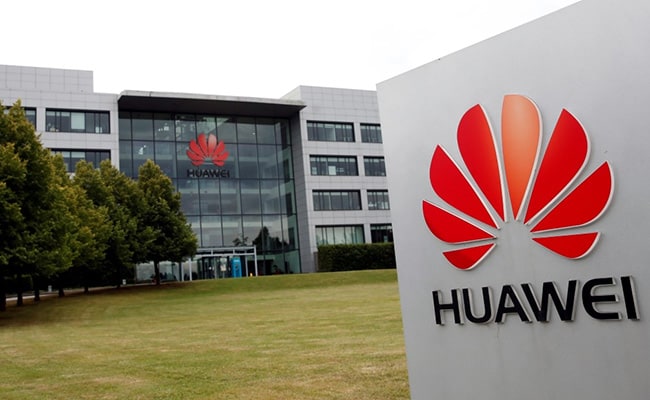
New regulations took effect on Thursday barring the US government from buying goods or services from any company that uses products from five Chinese companies including Huawei Technologies, Hikvision and Dahua, a US official said.
The rule, which was prompted by a 2019 law, could have far-ranging implications for companies that sell goods and services to the US government, since they will now need to certify they do not use products from Zhejiang Dahua Technology Co Ltd or Hangzhou Hikvision Digital Technology Co Ltd, even though both are among the top sellers of surveillance equipment and cameras worldwide.
The same goes for two-way radios from Hytera Communications Corp Ltd and telecommunications equipment or mobile devices like smartphones from Huawei Technologies Co or ZTE Corp.
Reuters first reported in July that the rule would take effect August 13.
Ellen Lord, the under secretary of defense for acquisition and sustainment, said Thursday the Defense Department "fully supports" the intent of the changes "but recognizes the implementation challenges facing industry partners."
Her staff was working with Congress to help "draft revisions to (the law) to facilitate effective implementation and to preclude untended consequences," Lord said.
Any company using equipment or services in day-to-day operations from these five companies will no longer be able to sell to the U.S. government without obtaining a government waiver.
The US government annually awards more than $500 billion in contracts, according to the Government Accountability Office.
Last year, the United States placed Huawei, Hikvision and other firms on its economic blacklist, barring the firms from buying components from US companies without U.S. government approval. The U.S. added the Chinese firms after concluding they were engaged in activities contrary to the interests of US national security or foreign policy.
The Information Technology Industry Council (ITI) noted Thursday the regulations were only published a month ago even though the law requiring the changes was passed in 2019.
"Because of the extended time it took to roll out rules for these far-reaching requirements, contractors may not be able to consistently meet the law's objectives."
Federal contractors had to examine company records to ensure the absence of the named Chinese equipment and services companies.

-
Talking Points This Week: Tech Nerves, FII Buying, And A Faraway Banking Shock

The global markets are not shining this Diwali. The exception in the large markets is, India.
-
Midterm Rally Lasted A Day. The Hard Reality Of A Divided US May Last Two Years | Opinion
Between a contested AI boom, a debt ceiling that arrives in 2027 and a president with every incentive to act alone, the next two years may prove more volatile than the first day's rally suggests.
-
Blue Wave Will Derail the AI Trade but Won't Dismantle the AI Era | Unhedged Position
The Democrats' sweep of the US Congress will see politics collide with economic forces both over the long and short term.
-
It's Time To Take The GST Council's Bet On Trust Global
Payment records can prove India's services exports, and clear, proportionate rules can bring foreign digital sellers into the tax net.
-
Opinion | India at 38: From Innovation Overperformer to Innovation Powerhouse
India now has 453 VC-backed deep science startups, 18 of them late-stage, after 117 percent growth since 2020. Laurus Labs, at USD 9.3 billion, is the most valuable deep science company in any middle-income economy outside China.
-
Navigating Energy Crossroads: S Jaishankar's Call For Diversified Supply Chains At G20 Ministerial Meeting
As geopolitical fault lines continue to test maritime trade routes and commodity flows, Jaishankar's message remains pertinent: true economic resilience requires open markets, protected transit lines, and a genuine commitment to multilateral cooperation rather than coercion.
-
Indians Are Travelling, But Not Every Journey Is A Holiday | The Week In Whys
Pilgrims, patients and working women are the real travellers, and the system hasn't quite caught up with them.
-
Getting To Work Costs Women More | The Reason Why
It is not just about women paying more than men. It is about women paying much more in cities than in villages.
-
AI Bias In Investing Cannot Be Eliminated, But It Can Be Governed
Framing is a particularly important example as identical financial information presented in terms of gains rather than losses can lead an LLM to reach a different assessment.









