Urbanisation Will Take Care Of Higher Steel Production, Says Kalyani Steels’ Goyal
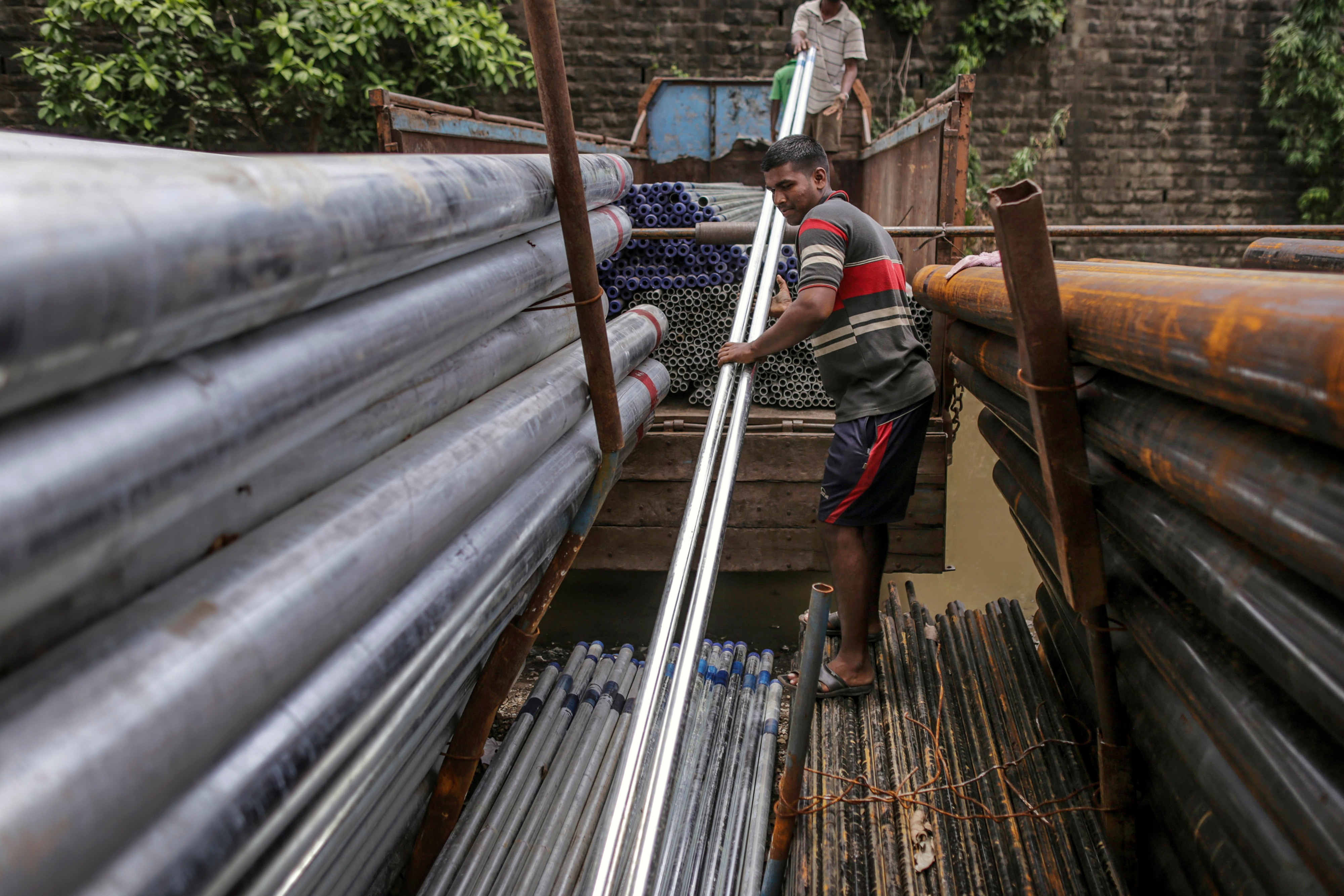
India's massive population and growing urbanisation will ensure there is adequate demand for steel as the country gears up to triple production by 2031, said RK Goyal, Managing Director of Kalyani Steel Ltd.
The National Steel Policy 2017 cleared by the Union Cabinet on Wednesday has set a target of producing 300 million tonne of steel in India by 2030-31. The cost of tripling installed capacity will also entail an additional investment of Rs 10 lakh crore. The Cabinet also approved another proposal which gives preference to domestically manufactured steel for government-owned projects.
Here's an edited transcript of the interview.
How does the National Steel Policy benefit existing steel companies and where will the demand come from for so much steel?
Sheer increase in the country's population and the low base of consumption per capita will generate demand. Urbanisation will also create demand. Today, while our average consumption per capita is still 60 kilogram, but if you look at rural areas, the consumption there is just around 10-15 kilogram. More and more people will be shifting towards urban areas, so consumption will only rise. So, we expect consumption growth to continue in the vicinity of anything between 8-10 percent and that will consume most of the increased capacity.
There is this talk most importantly to my mind that there will be preference to locally manufactured steel. Now, one – how much steel being consumed in India is imported, and therefore how much impact would a move like this have? And just a follow-up question is this move could face any issues on the global front with suppliers arguing that this will be anti-competitive or otherwise?
There are two or three things you have asked. Currently there is anti-dumping duty on majority of the products, except engineering steel long products and because of that not much is being imported. Total imports have gone down to around 8 million tonnes. Now as far as suppliers are concerned, the anti-dumping duty has ensured that imports have gone down and as long as that safeguard is there, I don't think the new procurement policy will make a huge difference.
Could this have faced any pressures from global economies which might want to, or are already supplying steel to India?
The anti-dumping duty on most steel products may have made them uncompetitive, and the new policy will be largely related to government buying. So I don't think there will be any major pressure on the government.
Lastly, another key point that came out was the government's intent to ease the raw material bottlenecks for public sector companies and government projects. What do you think needs to be done in this regard, what can the government effectively do on the ground?
First and foremost, opening of many many more mines, so that the availability goes up and it will automatically take care of the pricing part. And make the mining simpler, easier, and free from bureaucratic processes. This will help the industry and it will make India more competitive.

-
Medicine Pricing: Where Must Profit Stop?

India must confront excessive margins, hidden incentives and regulatory gaps that threaten the integrity of medicine.
-
Why Amazon And Flipkart Are Struggling To Beat Meesho In India's Smaller Cities
With 274 million users and lowest-cost logistics, Meesho is defending its value commerce crown against giants like Amazon and Flipkart.
-
High US Salaries, No Green Card Certainty: The Financial Calculation Facing Indian H-1B Families
The suspension of PERM processing at eight technology employers does not cancel existing H-1B visas. What it does is force a question many Indian families have been avoiding: is the US salary worth tying your career and family plans to one employer?
-
Swiggy vs Eternal: Food Delivery's Two Rivals Are No Longer In The Same Race
Eternal is building a private AI assistant, dark.ai. Swiggy is still working out how to make Instamart pay, with an operating loss of Rs 895 crore in the July-September quarter while Blinkit stayed profitable.
-
Where You Live Shapes How You Get To Work | The Reason Why
Two-wheelers are the most popular way to get to work in India, accounting for nearly 43% of workplace commutes.
-
Unhedged Position: Can India See An Indonesia-Style Time Correction?
The Nifty is trading below levels it first clocked in 2024. Is there, then, as I have suggested in the headline, potential that the current time correction drags on painfully for the next three-five, even ten years?
-
Navigating Friction And Energy Realities: An Analysis Of Marco Rubio's October Visit To India
Occurring at a critical juncture marked by stalled trade negotiations and escalating geopolitical pressures over global energy supplies, the visit offers a profound window into modern US-India relations.
-
India Exports Capital. Why Not Export Trusteeship?
The big question, then, is whether India can build an institution that global borrowers, investors, banks, and lawyers can trust, even without an Indian connection.
-
France's Economy & Politics Are In Crisis | The Reason Why
Let's look at how the French economy and politics evolved under Nicolas Sarkozy, Franois Hollande and Emmanuel Macron.
-
You May Inherit The Business. You Must Earn Its Credibility.
Succession tests the founder's ability to share authority as much as it tests the next generation's readiness to assume it.










