Urbanisation, Digitisation To Propel Copper Demand In Next 25 years: Birla Copper CEO
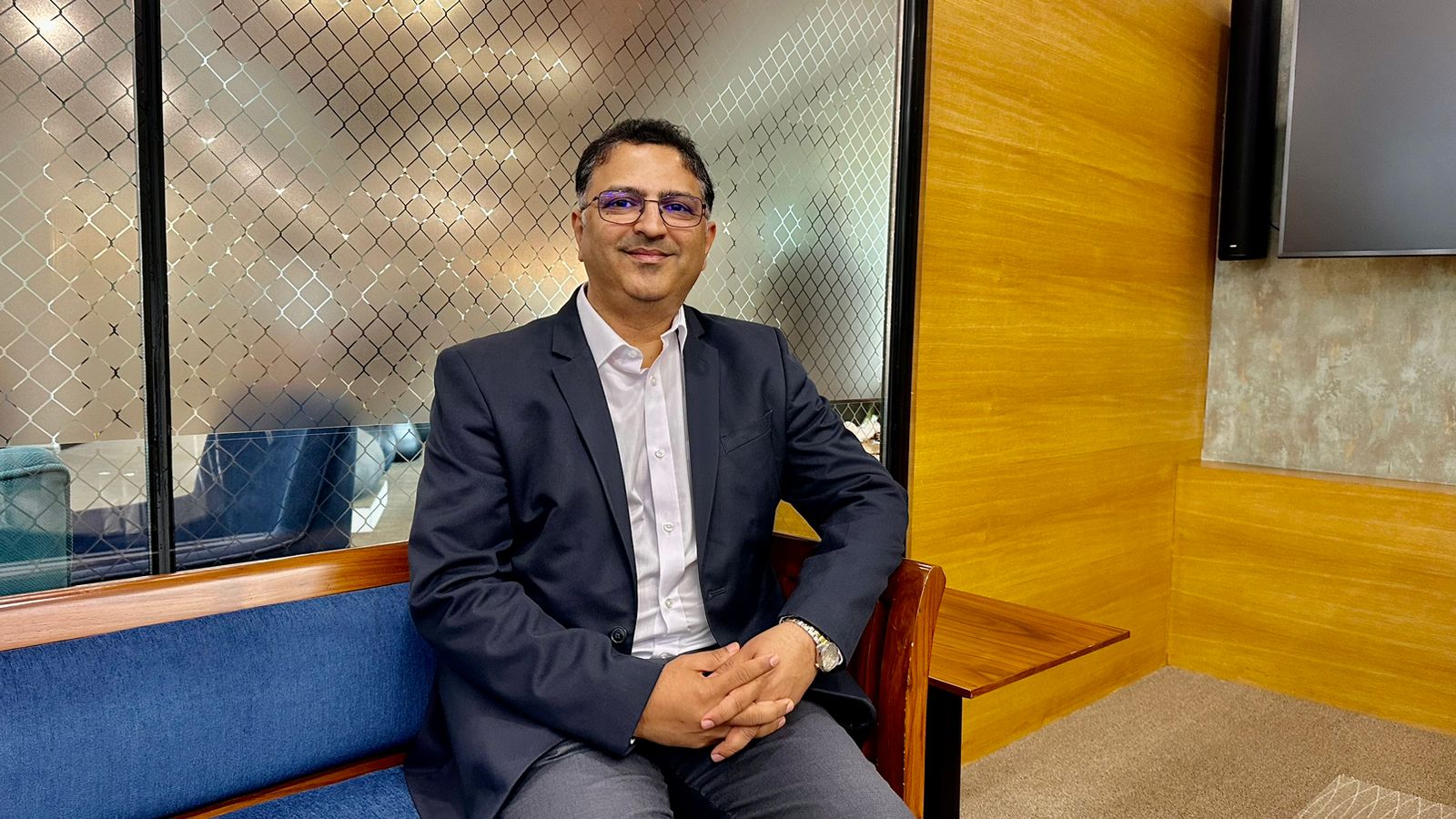
The increasing per-capita consumption of electricity will propel the growth of copper by four to five times in the next 25 years, the chief executive officer of Hindalco Industries Ltd.'s copper division said.
Urbanisation, digitisation and renewable energy will require a huge amount of electricals and electronics, Birla Copper CEO Rohit Pathak told BQ Prime in an interview. Whether it is electrical systems, e-mobility, mobile phones and computers, all require electrical systems that have a high degree of copper element in their products, he said.
An electric car requires four times the amount of copper as compared with a normal car, Pathak said. Similarly, a renewable power plant requires four to eight times more copper than what is needed for thermal power, he said.
The usage of copper in data centres is equally high, said Pathak, who is also the president of the Indian Electrical and Electronics Manufacturers' Association. "The electrical intensity and copper intensity go hand in hand. And as we look at growth in India, copper will play a major role in that growth."
The company worked with the government on a vision for India as part of the "Amrit Kaal" effort for the next 25 years.
"An element of that vision is that our per-capita consumption of electricity will go up by eight times from 1,200 units to 10,000 units over the next 25 years," Pathak said. "If that were to happen, we expect the copper demand to grow four to five times in the next 25 years."
Greener Infrastructure
By 2030, India targets 50% of its electricity to come from renewables and the majority of the contribution will be from solar and wind segments.
This will require a large amount of electrical systems. The government has come out with targeted measures, such as the Production Linked Incentive scheme, to make these products in India.
Pathak expects that the growth in manufacturing of electrical equipment will drive the demand for copper as well since it is a major component of these products.
The IEEMA is trying to ensure that the capacity is built in the country and Birla Copper, which is the largest producer, are building these products to complement the infrastructure building, he said.
Greening Copper Industry
Copper is a complex material to handle and the firm is working on making it environmentally friendly, not just from an electrical emissions point of view, but holistically, Pathak said.
Compared to other metals, copper has a much lower footprint for carbon emission. Because copper smelting is an exothermic reaction, where once the energy reaction starts, the smelter generates enough heat to run the smelter. Therefore, the energy consumption is low.
"We are also moving our purchase to a lot of green energy," he said.
The company is also tying up for 20 MW of green energy and has signed with the Gujarat Industrial Development Corporation for use of desalinated water.
"We are also investing in upgrading environmental performance to improve standards of running the plants."
Copper Pricing and Demand Next Year
The demand for copper is back to the pre-Covid levels, Pathak said. "In the coming years, it will go up by 5–6% or even more. But the growth will depend on how much manufacturing happens in India."
Copper pricing is linked to the London Metal Exchange. Today, India uses around 1 million tonnes of copper. At $10,000/tonne price, the value of the product consumed is around $10 billion.
"This is expected to grow to $40 billion in the next 25 years if the price remains at $10,000," Pathak said.
The firm imports copper ore in concentrated form and their pricing is a pass-through.
It focuses on processing the concentrate and adding value to the products. The company pays the price of metals as per the global standards and makes money by efficiently converting the metal.
Value-Added Products
The company plans to focus on making value-added downstream products, which their customers need.
It has participated in the PLI scheme to produce roof tube for air conditioning, which is currently imported in the country.
There will also be a requirement for different kinds of wires for Railways and upgradation for the high-speed rails, such as bullet trains, Pathak said.
The wires they will need for the bullet trains will require materials made of copper alloys.
"So, we will make those alloys in tandem with our customers who will make the wires. Our products are approved with the government and now our customers (wire manufacturers) are getting their products approved," he said.
Watch the full interview here:

-
A New Samvat Wishlist: Inclusive Prosperity And Human Development

India has strengthened its economic foundations through infrastructure, digital access and enterprise. Its next growth chapter must deepen productivity, create better livelihoods and widen participation in prosperity.
-
Love, Sex Aur Dhokha: The Audacious Plot To Spy On Jensen Huang
A Taipei dinner, a Singapore chip buyer and a suspected Chinese asset: inside the alleged spy operation that got close to NVIDIA's Jensen Huang.
-
Ten Things I Learnt This Samvat
Patience can be a trap. Cheap stocks can stay cheap. Leverage can wipe you out. What did Samvat 2082 teach us? Niraj Shah writes on 10 lessons from the year gone by.
-
Talking Points This Week: Tech Nerves, FII Buying, And A Faraway Banking Shock
The global markets are not shining this Diwali. The exception in the large markets is, India.
-
Midterm Rally Lasted A Day. The Hard Reality Of A Divided US May Last Two Years | Opinion
Between a contested AI boom, a debt ceiling that arrives in 2027 and a president with every incentive to act alone, the next two years may prove more volatile than the first day's rally suggests.
-
Blue Wave Will Derail the AI Trade but Won't Dismantle the AI Era | Unhedged Position
The Democrats' sweep of the US Congress will see politics collide with economic forces both over the long and short term.
-
It's Time To Take The GST Council's Bet On Trust Global
Payment records can prove India's services exports, and clear, proportionate rules can bring foreign digital sellers into the tax net.
-
Opinion | India at 38: From Innovation Overperformer to Innovation Powerhouse
India now has 453 VC-backed deep science startups, 18 of them late-stage, after 117 percent growth since 2020. Laurus Labs, at USD 9.3 billion, is the most valuable deep science company in any middle-income economy outside China.
-
Navigating Energy Crossroads: S Jaishankar's Call For Diversified Supply Chains At G20 Ministerial Meeting
As geopolitical fault lines continue to test maritime trade routes and commodity flows, Jaishankar's message remains pertinent: true economic resilience requires open markets, protected transit lines, and a genuine commitment to multilateral cooperation rather than coercion.









