UPI’s Dominance-By-Few Threatens India’s Financial Inclusion Future
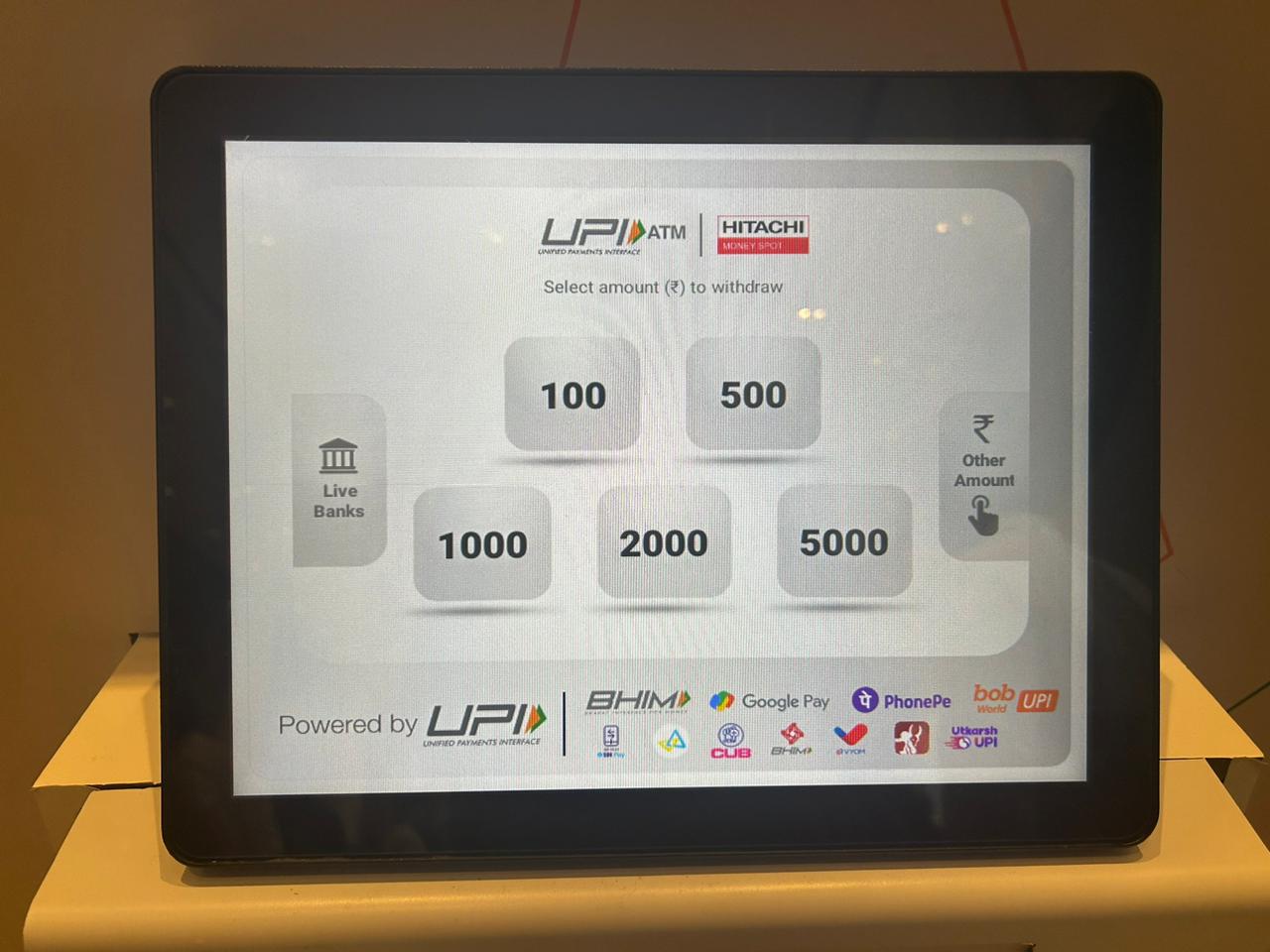
India's Unified Payments Interface has revolutionised digital transactions, transforming how money moves across the country. As of August 2024, UPI processed 14.96 billion transactions worth Rs 20.6 lakh crore, a staggering growth indicative of its pivotal role in the nation's economy.
However, the benefits of this growth are not evenly distributed. The UPI ecosystem is increasingly dominated by a few players—PhonePe, Google Pay, and Paytm—who together control over 90% of all UPI transactions. While this concentration demonstrates the efficiency of these platforms, it simultaneously raises critical concerns about monopolisation and its impact on financial inclusion.
The monopolisation, or rather triopolisation, of UPI transactions could limit open innovation and equitable access, especially for those outside urban centers. Despite UPI's potential to democratise financial services, its usage remains largely confined to metro and tier-one cities. Less than 30% of India's population actively uses UPI, with adoption skewed toward urban consumers.
Rural India, which stands to benefit the most from digital payments, is hindered by inadequate digital infrastructure and low financial literacy. Internet connectivity in rural areas remains inconsistent, with many regions lacking access to reliable 4G or 5G networks. This digital divide effectively excludes large swathes of the population from the benefits of UPI, reinforcing the dependency on cash transactions.
The dominance of a few tech giants might worsen this divide, despite all the public-policy narrative around why they are Bharat-centric. In August 2024, PhonePe alone processed 48.36% of UPI transaction volume, followed by Google Pay with 37.3%. Paytm, while significantly smaller, still holds a notable share. This market concentration creates an environment where smaller players struggle to gain traction, particularly those attempting to develop solutions tailored for rural users. The power of these dominant players stifles competition and restricts the broader innovation needed to make UPI more inclusive.
The best is yet to come in UPI space. The government of India and the RBI have led from the front in shaping the contours of disrupting payments space with digital innovation. Early pioneers from the private sector, both Indian domestics and foreign platforms, have built their market products on this unique digital pipe idea, something that advanced nations are yet to learn. This is only the tip of the large pie. But what next?
Domestic fintech companies must step in to drive UPI adoption in rural India. This requires innovation beyond the current urban-centric solutions. Offline UPI payment systems that allow transactions in areas with poor internet connectivity need to be scaled and refined. Localised UPI platforms with user-friendly interfaces, designed specifically for populations with low digital literacy, are also essential.
Moreover, incentivising rural merchants to adopt UPI can create a trusted network of digital transaction points, crucial for building confidence in digital payments. Partnerships between fintech and telecom companies could further enhance UPI's reach, offering services through USSD codes or SMS, making digital payments accessible without smartphones or high-speed internet.
BHIM, the government-backed UPI app developed by the National Payments Corporation of India, could play a central role in this effort. Once envisioned as a tool for mass financial inclusion, BHIM has seen its market share plummet as private players have taken over. To regain relevance, BHIM must undergo a strategic overhaul. Improving its user interface, adding features like loyalty rewards, and launching targeted marketing campaigns could help it compete with more sophisticated apps. By focussing on trust-building in rural communities and offering no-fee structures for rural merchants, BHIM could become a competitive alternative to the dominant players.
The current concentration of UPI delivery by few players not only threatens innovation but also opens the door to long-term risks for the Indian economy. Both PhonePe and Google Pay are foreign-owned, with Walmart and Alphabet respectively controlling them. This raises questions about the future of India's digital payments infrastructure and whether it will continue to serve national priorities or foreign corporate interests.
As another idea, one must remember that foreign nations do not allow easy access for Indian entities to enter their financial markets. So it might be a good strategic focus to follow the principle of reciprocity for financial licensing in years ahead.
The government must step in to mitigate these risks by encouraging domestic innovation. Grants, regulatory support, and fostering fintech hubs are essential to creating a competitive environment that allows smaller and newer players to thrive. It would also push the current and large entities to stay relevant and to keep market need as their purpose of existence. Regulatory oversight must also be strengthened to prevent monopolistic practices, ensuring a level playing field for all participants.
Furthermore, improving digital infrastructure in rural India is critical. Government initiatives like BharatNet need to accelerate their rollout, bringing reliable internet access to rural areas. Scaling financial literacy programs will also be essential, educating rural populations about the benefits and security of UPI. This dual approach—improving infrastructure and literacy—will empower rural consumers to confidently shift from cash to digital payments.
To realise its vision of financial inclusion, fintech companies, regulators, and the government must work together to democratise UPI. Without these concerted efforts, UPI risks becoming another urban luxury rather than a tool for empowering all Indians.
Dr. Srinath Sridharan is policy researcher and corporate advisor.
Ram Rastogi is a digital evangelist.
The views expressed here are those of the author, and do not necessarily represent the views of NDTV Profit or its editorial team.

-
Blue Wave Will Derail the AI Trade but Won't Dismantle the AI Era | Unhedged Position

The Democrats' sweep of the US Congress will see politics collide with economic forces both over the long and short term.
-
It's Time To Take The GST Council's Bet On Trust Global
Payment records can prove India's services exports, and clear, proportionate rules can bring foreign digital sellers into the tax net.
-
Opinion | India at 38: From Innovation Overperformer to Innovation Powerhouse
India now has 453 VC-backed deep science startups, 18 of them late-stage, after 117 percent growth since 2020. Laurus Labs, at USD 9.3 billion, is the most valuable deep science company in any middle-income economy outside China.
-
Navigating Energy Crossroads: S Jaishankar's Call For Diversified Supply Chains At G20 Ministerial Meeting
As geopolitical fault lines continue to test maritime trade routes and commodity flows, Jaishankar's message remains pertinent: true economic resilience requires open markets, protected transit lines, and a genuine commitment to multilateral cooperation rather than coercion.
-
Indians Are Travelling, But Not Every Journey Is A Holiday | The Week In Whys
Pilgrims, patients and working women are the real travellers, and the system hasn't quite caught up with them.
-
Getting To Work Costs Women More | The Reason Why
It is not just about women paying more than men. It is about women paying much more in cities than in villages.
-
AI Bias In Investing Cannot Be Eliminated, But It Can Be Governed
Framing is a particularly important example as identical financial information presented in terms of gains rather than losses can lead an LLM to reach a different assessment.
-
Joining The Dots | Dark Skies, Steady Diya: Why Hope Holds This Diwali
With war, a weak rupee and foreign outflows weighing on sentiment, policymakers at the NDTV World Summit and market veterans at NDTV Profit Ignite: Diwali Edition offered the same advice: stay invested and filter out the noise.
-
The Curious Case of Equitas Small Finance Bank And A CEO Who Quit For Stock
PN Vasudevan believes persistent investor concerns over a perceived conflict of interest had become a governance overhang on Equitas Small Finance Bank's stock, even as the lender improved profitability and asset quality.










