Unilever Adds Horlicks In $3.8 Billion Deal For Glaxo India
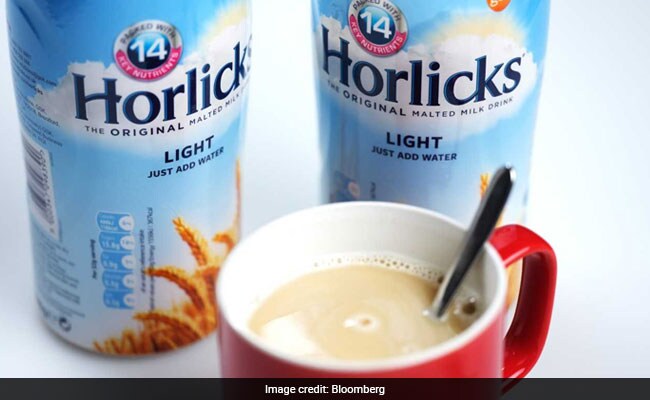
Unilever agreed to acquire GlaxoSmithKline Plc's Indian consumer business, including malted milk drink Horlicks, for 3.3 billion euros ($3.8 billion) to boost its footprint in one of the world's fastest-growing major economies.
It's one of the Anglo-Dutch company's largest acquisitions under departing Chief Executive Officer Paul Polman, who in January is handing over to personal-care head Alan Jope. It's also the first major deal since a plan to combine the company's headquarters in the Netherlands collapsed under investor pressure in October.
The transaction strengthens Unilever's presence in the emerging markets that account for about two-thirds of its revenue. The Dove soap maker will use cash and shares of its Indian subsidiary to take control of a new venture that includes Glaxo's listed entity in the country, where Unilever has been selling products since the late 19th century.
"If you look at Unilever's foods portfolio in India they have been seriously lagging for many years now, especially versus the global Unilever portfolio," said Anand Shah, an analyst at Axis Capital Ltd. in Mumbai. "It's a bid to expand the entire food pie for themselves."
Glaxo rose 1.4 percent in early trading in London. Unilever rose 0.6 percent in Amsterdam.
India's malt-based hot drinks segment is estimated to be worth Rs 7,870 crore ($1.1 billion), according to Euromonitor International. In addition to Horlicks, Unilever will gain the Boost brand, another leader in the segment. The deal includes 566 million pounds ($724 million) for an 82 percent stake in Glaxo's Bangladesh unit and other related consumer health brands outside India.
Glaxo may use the proceeds to help fund its buyout of Novartis AG's stake in their consumer-health joint venture. Chief Executive Officer Emma Walmsley has been sculpting the company's portfolio, particularly in its pharma unit, where she's focused on drug candidates that are most likely to be successful.
Malt-based drinks have been popular in India, where they're seen as a nutritional supplement. Unilever is betting on a global "health and wellness megatrend," according to an investor presentation. Yet the segment is expected to grow more slowly than in the past, as consumers switch to less sugary drinks.
Unilever will use its more extensive distribution network to bring the drinks to more consumers, said Sanjiv Mehta, chairman of Hindustan Unilever Ltd., the Anglo-Dutch company's India subsidiary.
"If we can carry this portfolio -- and we will carry this portfolio -- into rural and other markets, we will get significant step up in terms of growth," he said on a call.
Nestle SA had also shown interest in acquiring the Glaxo unit, people familiar with the talks said in November.

-
Talking Points This Week: Tech Nerves, FII Buying, And A Faraway Banking Shock

The global markets are not shining this Diwali. The exception in the large markets is, India.
-
Midterm Rally Lasted A Day. The Hard Reality Of A Divided US May Last Two Years | Opinion
Between a contested AI boom, a debt ceiling that arrives in 2027 and a president with every incentive to act alone, the next two years may prove more volatile than the first day's rally suggests.
-
Blue Wave Will Derail the AI Trade but Won't Dismantle the AI Era | Unhedged Position
The Democrats' sweep of the US Congress will see politics collide with economic forces both over the long and short term.
-
It's Time To Take The GST Council's Bet On Trust Global
Payment records can prove India's services exports, and clear, proportionate rules can bring foreign digital sellers into the tax net.
-
Opinion | India at 38: From Innovation Overperformer to Innovation Powerhouse
India now has 453 VC-backed deep science startups, 18 of them late-stage, after 117 percent growth since 2020. Laurus Labs, at USD 9.3 billion, is the most valuable deep science company in any middle-income economy outside China.
-
Navigating Energy Crossroads: S Jaishankar's Call For Diversified Supply Chains At G20 Ministerial Meeting
As geopolitical fault lines continue to test maritime trade routes and commodity flows, Jaishankar's message remains pertinent: true economic resilience requires open markets, protected transit lines, and a genuine commitment to multilateral cooperation rather than coercion.
-
Indians Are Travelling, But Not Every Journey Is A Holiday | The Week In Whys
Pilgrims, patients and working women are the real travellers, and the system hasn't quite caught up with them.
-
Getting To Work Costs Women More | The Reason Why
It is not just about women paying more than men. It is about women paying much more in cities than in villages.
-
AI Bias In Investing Cannot Be Eliminated, But It Can Be Governed
Framing is a particularly important example as identical financial information presented in terms of gains rather than losses can lead an LLM to reach a different assessment.









