UK Visas Set To Get More Expensive From This Week
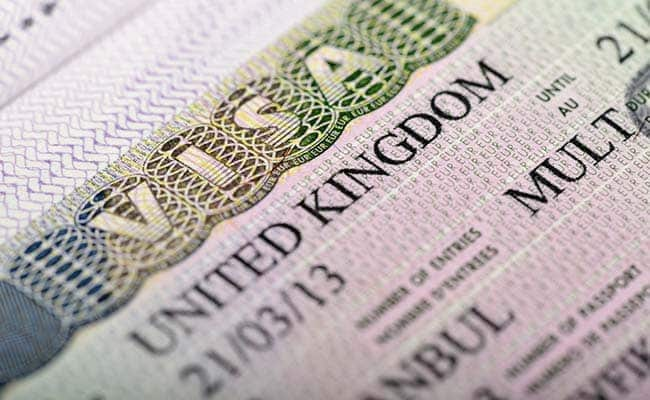
London: Tougher and more expensive visa rules announced by the UK Home Office last year are set to take effect from Thursday, affecting Indians and other nationals from outside the European Union (EU).
The Tier 2 category of visas, a route used by many Indians and other nationals from outside the EU, will undergo major set of changes under the new rules.
Companies in the UK hiring workers from outside the EU, such as Indians, will have to shell out an additional 1,000-pound annual "Immigration Skills Charge", announced in March last year.
"Set at 1,000 pounds per employee per year, and a reduced rate of 364 pounds for small or charitable organisations, it (Immigration Skills Charge) is designed to cut down on the number of businesses taking on migrant workers and incentivise training British staff to fill those jobs," the UK Home Office said, in reference to the new levy.
An exemption to the charge will mean that it will not apply to PhD-level jobs and international students switching from student visas to working visas - "a key protection to help retain the talented workers and students who are vital in helping the British economy grow", the Home Office added.
The latest charge is among a wider changes made to the Tier 2 visa regime in an effort to cut immigration numbers from countries outside the EU and tighten visa regulations.
Most recently, the UK government had announced that professionals such as teachers, nurses and social workers from countries like India who apply for a Tier 2 visa to live and work in the UK will need to provide a certificate from their home country authorities with their applications disclosing whether they have any criminal convictions.
Under plans becoming effective from this week, skilled migrants applying within the Tier 2 category for these specific professions will now be required to provide a criminal record check certificate from any countries they have lived in for more than 12 months in the past 10 years.
An applicant's partner, or a partner wishing to join an existing skilled migrant worker in the same sectors, will also be asked to produce a certificate.
The requirement could be waived where it is deemed not "reasonably practicable" to obtain a certificate, such as if a country or authority does not produce such documents.
Some of the other changes include those applying for a Tier 2 Intra-Company Transfer (ICT) visa being required to pay a health surcharge of 200 pounds per person per year.
Any dependents of the main applicant will also have to pay around the same amount as the main applicant.
The minimum salary level that UK-based sponsors can offer a Tier 2 (General) worker has been increased from 25,000 pounds to 30,000 pounds for experienced workers.
Some jobs in the health and education sectors are exempted from this higher threshold until July 2019.
The Tier 2 (ICT) Short Term Staff category has been closed, which implies that all workers applying under this route, except graduate trainees, must qualify under a single salary threshold of 41,500 pounds.
The latest rules are part of a number of tougher measures being introduced after a review by the UK's independent Migration Advisory Committee recommended changes to the visa system last year.
It has already been announced that the minimum salary threshold before a Tier 2 visa is granted to skilled workers from outside the EU will rise from 20,800 pounds a year to 30,000 pounds for most jobs.
Also, chemistry teachers are being removed from a list of UK "shortage occupations" but those who teach combined science, computer science and Mandarin are being added to the list.
Jobs on the shortage occupations list imply relatively easier visa norms for applicants from outside the EU.
(This story has not been edited by NDTV staff and is auto-generated from a syndicated feed.)

-
High US Salaries, No Green Card Certainty: The Financial Calculation Facing Indian H-1B Families

The suspension of PERM processing at eight technology employers does not cancel existing H-1B visas. What it does is force a question many Indian families have been avoiding: is the US salary worth tying your career and family plans to one employer?
-
Unhedged Position: Can India See An Indonesia-Style Time Correction?
The Nifty is trading below levels it first clocked in 2024. Is there, then, as I have suggested in the headline, potential that the current time correction drags on painfully for the next three-five, even ten years?
-
Navigating Friction And Energy Realities: An Analysis Of Marco Rubio's October Visit To India
Occurring at a critical juncture marked by stalled trade negotiations and escalating geopolitical pressures over global energy supplies, the visit offers a profound window into modern US-India relations.
-
India Exports Capital. Why Not Export Trusteeship?
The big question, then, is whether India can build an institution that global borrowers, investors, banks, and lawyers can trust, even without an Indian connection.
-
France's Economy & Politics Are In Crisis | The Reason Why
Let's look at how the French economy and politics evolved under Nicolas Sarkozy, Franois Hollande and Emmanuel Macron.
-
You May Inherit The Business. You Must Earn Its Credibility.
Succession tests the founder's ability to share authority as much as it tests the next generation's readiness to assume it.
-
Signing Deals Is One Thing; Making Them Work Is Another | The Week In Whys
Sometimes, things don't turn out as planned. Indian companies have lost some bids to rivals, some projects won't produce until 2030.
-
FOMC Wall, PERM Suspension, Hospital Stocks | Talking Points This Week
A PERM suspension would directly affect green-card sponsorship rather than H-1B visas, so the near-term earnings impact could remain relatively limited. The key question is whether this marks a new phase in US scrutiny of Indian IT.
-
Everything, Everywhere, All At Once: Dalal Street's Week To Forget | Joining The Dots
Visa curbs, a Starlink spat and cancer drug caps: what connects this week's shocks for Indian markets
-
India Is Going Abroad For Critical Minerals. But It May Take Years To Pay Off | The Reason Why
Although India's steps are in the right direction, they remain modest compared with India's growing dependence.









