Twitter Users Will Soon Be Able To Pay In Bitcoin, Other Crypto Coins Via In-App Feature
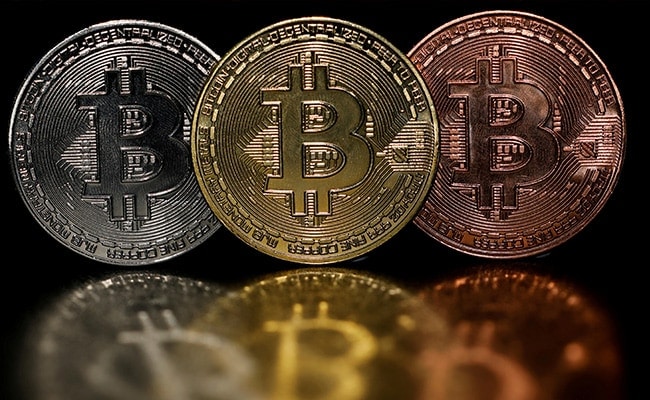
Twitter, the micro-blogging site, is working to expand its “Tip Jar” feature and will soon allow content creators to receive tips in Bitcoin and other cryptocurrencies from their followers. In May this year, Twitter introduced the in-app tipping feature, allowing some users to add a “tip jar” to their Twitter profile so others can pay them without leaving the app. Now, the company is opening up tipping to all its users globally. And for the first time, it will allow users to send and receive tips in Bitcoin, Ethereum and other crypto coins. When this feature is enabled, a Tip Jar icon will appear on a user's profile.
What Is A Tip Jar?
On its website, Twitter explained the Tips as a feature that will let users add links to select third-party payment services – like Bandcamp, Patreon and Razorpay – to their profiles. The feature is currently available for iOS users and is likely to be rolled out on Android in some time. Twitter said that people already share links to third-party payment services on their handles but the new feature will make it easier for users to pay and support content creators to drive a conversation. It will also help people raise funds for a cause. In a recent blog post, Twitter said those who want to pay in Bitcoin can do so by using Strike – a payments application built on the Bitcoin Lightning Network.
How Does This Work?
After enabling the Tips feature, you can add your Bitcoin address to your profile. To send a payment directly to you, people can copy your address and paste it into a Bitcoin wallet of their choice. Users will need to be above the age of 18 to enable this feature. In July, Twitter CEO Jack Dorsey had told investors that Bitcoin would be one of the three key trends that the social media platform will follow going into the future. The two others will be Artificial Intelligence (AI) and decentralisation, an idea on which cryptocurrency is based.

-
A New Samvat Wishlist: Inclusive Prosperity And Human Development

India has strengthened its economic foundations through infrastructure, digital access and enterprise. Its next growth chapter must deepen productivity, create better livelihoods and widen participation in prosperity.
-
Love, Sex Aur Dhokha: The Audacious Plot To Spy On Jensen Huang
A Taipei dinner, a Singapore chip buyer and a suspected Chinese asset: inside the alleged spy operation that got close to NVIDIA's Jensen Huang.
-
Ten Things I Learnt This Samvat
Patience can be a trap. Cheap stocks can stay cheap. Leverage can wipe you out. What did Samvat 2082 teach us? Niraj Shah writes on 10 lessons from the year gone by.
-
Talking Points This Week: Tech Nerves, FII Buying, And A Faraway Banking Shock
The global markets are not shining this Diwali. The exception in the large markets is, India.
-
Midterm Rally Lasted A Day. The Hard Reality Of A Divided US May Last Two Years | Opinion
Between a contested AI boom, a debt ceiling that arrives in 2027 and a president with every incentive to act alone, the next two years may prove more volatile than the first day's rally suggests.
-
Blue Wave Will Derail the AI Trade but Won't Dismantle the AI Era | Unhedged Position
The Democrats' sweep of the US Congress will see politics collide with economic forces both over the long and short term.
-
It's Time To Take The GST Council's Bet On Trust Global
Payment records can prove India's services exports, and clear, proportionate rules can bring foreign digital sellers into the tax net.
-
Opinion | India at 38: From Innovation Overperformer to Innovation Powerhouse
India now has 453 VC-backed deep science startups, 18 of them late-stage, after 117 percent growth since 2020. Laurus Labs, at USD 9.3 billion, is the most valuable deep science company in any middle-income economy outside China.
-
Navigating Energy Crossroads: S Jaishankar's Call For Diversified Supply Chains At G20 Ministerial Meeting
As geopolitical fault lines continue to test maritime trade routes and commodity flows, Jaishankar's message remains pertinent: true economic resilience requires open markets, protected transit lines, and a genuine commitment to multilateral cooperation rather than coercion.









