Twelve Major Banks Seek Dismissal of Forex Price-Rigging Lawsuit
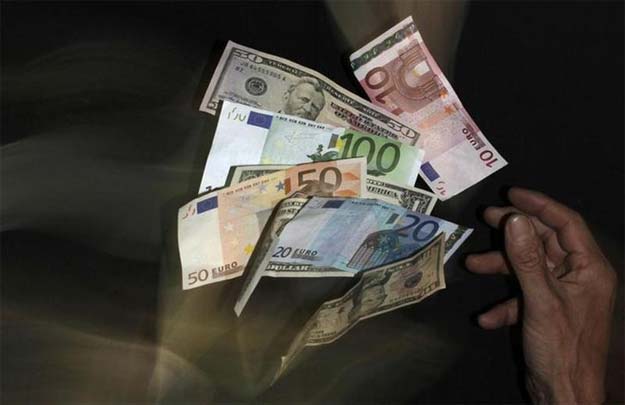
Twelve major banks asked a US judge on Friday to throw out a consolidated antitrust lawsuit accusing them of colluding to rig prices in the $5 trillion-a-day foreign exchange market, saying the plaintiff investors had failed to properly allege the existence of a conspiracy.
Investors, including the city of Philadelphia and a number of hedge funds and pension funds, accused the banks of conspiring since January 2003 to manipulate the WM/Reuters Closing Spot Rates, using chat rooms, instant messages and email.
The defendants - Bank of America Corp, Barclays Plc, BNP Paribas SA, Citigroup Inc, Credit Suisse Group AG, Deutsche Bank AG, Goldman Sachs Group Inc, HSBC Holdings Plc, JPMorgan Chase & Co, Morgan Stanley, Royal Bank of Scotland Group Plc and UBS AG - filed a joint motion to dismiss the case on Friday in US District Court in Manhattan.
"Despite their breathtaking scope, the complaints do not plead a single fact about a single instance in which a single defendant engaged in even one concerted act to manipulate any particular currency rate," the banks wrote.
"Nor do they identify a single transaction by a plaintiff or any factual basis for a claim that any plaintiff has been injured by an alleged conspiracy to manipulate benchmark exchange rates."
The banks also asserted that the theory underlying the conspiracy allegations "makes no economic sense". Any attempt to inflate one currency artificially would deflate the relative value of other currencies against which it is traded, the banks argued, and dealers cannot know in advance which currencies they will be buying or selling each day.
Christopher Burke, one of the lead lawyers for the plaintiffs, declined to comment immediately on Friday.
The case is proceeding against a backdrop of civil and criminal probes worldwide into whether banks rigged prices to boost profit at the expense of customers and investors.
The 12 defendants have an 84 per cent global market share and serve as counterparties in 98 percent of US spot volume, according to the lawsuit.
In their complaint, the investors said employees of the defendants used such names as The Cartel, The Bandits' Club and The Mafia to swap confidential customer orders and trading positions and colluded to set prices through such tactics as "front running/trading ahead", "banging the close" and "painting the screen".
US District Judge Lorna Schofield is overseeing the litigation.
Copyright @ Thomson Reuters 2014

-
Ten Things I Learnt This Samvat

Patience can be a trap. Cheap stocks can stay cheap. Leverage can wipe you out. What did Samvat 2082 teach us? Niraj Shah writes on 10 lessons from the year gone by.
-
Talking Points This Week: Tech Nerves, FII Buying, And A Faraway Banking Shock
The global markets are not shining this Diwali. The exception in the large markets is, India.
-
Midterm Rally Lasted A Day. The Hard Reality Of A Divided US May Last Two Years | Opinion
Between a contested AI boom, a debt ceiling that arrives in 2027 and a president with every incentive to act alone, the next two years may prove more volatile than the first day's rally suggests.
-
Blue Wave Will Derail the AI Trade but Won't Dismantle the AI Era | Unhedged Position
The Democrats' sweep of the US Congress will see politics collide with economic forces both over the long and short term.
-
It's Time To Take The GST Council's Bet On Trust Global
Payment records can prove India's services exports, and clear, proportionate rules can bring foreign digital sellers into the tax net.
-
Opinion | India at 38: From Innovation Overperformer to Innovation Powerhouse
India now has 453 VC-backed deep science startups, 18 of them late-stage, after 117 percent growth since 2020. Laurus Labs, at USD 9.3 billion, is the most valuable deep science company in any middle-income economy outside China.
-
Navigating Energy Crossroads: S Jaishankar's Call For Diversified Supply Chains At G20 Ministerial Meeting
As geopolitical fault lines continue to test maritime trade routes and commodity flows, Jaishankar's message remains pertinent: true economic resilience requires open markets, protected transit lines, and a genuine commitment to multilateral cooperation rather than coercion.
-
Indians Are Travelling, But Not Every Journey Is A Holiday | The Week In Whys
Pilgrims, patients and working women are the real travellers, and the system hasn't quite caught up with them.
-
Getting To Work Costs Women More | The Reason Why
It is not just about women paying more than men. It is about women paying much more in cities than in villages.









