Tulsi Tanti, The Wind Man Of India, Is No More
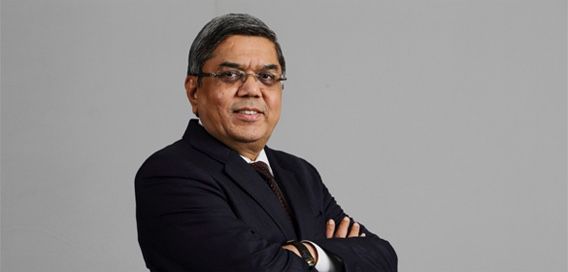
Tulsi Tanti was among the first Indian businessmen who saw the clean energy shift coming. He founded Suzlon Group in 1995 to make turbines when the market was dominated by global peers. A former textile trader, Tanti, too, had global ambitions.
In the decade through 2005, he slowly built Suzlon into a brand. And then came the blockbuster listing of 2005, propelling Tanti into the league of billionaires, earning him the moniker of ‘the wind man of India'.
Tanti died after a cardiac arrest on Saturday. He was 64.
He complained of chest pain in his car in Pune after returning from a press conference in Ahmedabad, close friend Manu Pambhar told BQ Prime. He asked the driver to take him to a hospital but died before getting any medical help, Pambhar said.
He is survived by his wife Gita, son Pranav, and daughter Nidhi.
Tanti was an iconic figure and the first to represent India's green goals on global platforms, according to Ashish Khanna, head of renewables at Tata Power Ltd. Tanti, he said, was instrumental in bringing early success to the “wind industry in our country and was always candid in his opinion on how to be Atmanirbhar in manufacturing”.
At its peak, Suzlon's stock traded at Rs 460. It now has an installed capacity of more than 19.4 GW in 17 countries. The shares, however, closed on Friday at Rs 8.7 apiece. A legacy of the excesses of the boom years.
Suzlon's global expansion was fuelled by debt. That included leveraged buyouts of Belgium's Hansen Transmissions in 2006 for $431 million; and then Germany's RePower Systems (now called Senvion) for more than $2.1 billion in 2007.
The first signs of trouble emerged in 2008. Blades of some of the Suzlon windmills cracked, forcing it to initiate a costly retrofit programme.
The same year, the company raised $500 million in overseas debt to fund expansion. But as values of global assets cratered during the global meltdown, it had to record mark-to-market loss on the bonds in 2009 and recognise an exceptional loss.
Refinancing didn't help and as demand failed to pick up from the lows of the slowdown, Suzlon defaulted on overseas bonds in 2012. The company sold assets, including Hansen and RePower continued, but that didn't bring down debt materially.
Suzlon sought help under the erstwhile Corporate Debt Restructuring. And in 2015, Dilip Shanghvi, the Sun Pharmaceutical Industries Ltd.'s promoter, invested capital as a white knight.
And Tanti tried everything to avoid bankruptcy, betting on Suzlon's importance in the renewable energy sector. "Bankers realise that India cannot afford to lose a company which is the largest in its wind energy space," he told the Economic Times in a 2019 interview.
Suzlon, however, failed to emerge from the setbacks. In 2020, it entered into a restructuring pact with State Bank of India, the second time in a decade. It owed lenders more than Rs 12,000 crore at the time.
Earlier this year, Rural Electrification Corp., and state-owned Indian Renewable Energy Development Agency took over Rs 3,000 crore debt through refinance, while State Bank of-India led consortium of 16 banks settled for 5% equity in the company for the remaining Rs 3,500-crore loans.
The company will now raise Rs 1,200 crore via a rights issue on Oct. 10, with promoters participating in it. Tanti had gone to Ahmedabad for meetings regarding this fundraise.
The rights issue will help the company repay part of the Rs 3,600-crore debt, including Rs 800 crore worth of working capital loan. Debt will come down from the peak of Rs 19,000 crore to Rs 1,800 crore after the funding, IC Mangal, chief executive of international operations at Suzlon, told BQ Prime.
Suzlon will also continue to sell non-core assets and reduce the number of subsidiaries from 44 to 22, CFO Himanshu Mody had said earlier after the Q1FY23.
Mangal said through all the “worst period of the company's performance”, Tanti didn't give up. He does not believe that Tanti's heart attack could be related to stress about the Suzlon's future.
Tanti was sure about Suzlon's role in India's renewable energy future.
"Our chairman was extremely optimistic about the future of renewables and the part that Suzlon has to play in it,” Ashwani Kumar, group chief executive officer at Suzlon wrote in an email to employees. “As he said", Kumar quoted Tanti: "'The world is ready now and so are we. Our time has come. Now there is no stopping Suzlon and the green energy revolution.'"

-
Love, Sex Aur Dhokha: The Audacious Plot To Spy On Jensen Huang

A Taipei dinner, a Singapore chip buyer and a suspected Chinese asset: inside the alleged spy operation that got close to NVIDIA's Jensen Huang.
-
Ten Things I Learnt This Samvat
Patience can be a trap. Cheap stocks can stay cheap. Leverage can wipe you out. What did Samvat 2082 teach us? Niraj Shah writes on 10 lessons from the year gone by.
-
Talking Points This Week: Tech Nerves, FII Buying, And A Faraway Banking Shock
The global markets are not shining this Diwali. The exception in the large markets is, India.
-
Midterm Rally Lasted A Day. The Hard Reality Of A Divided US May Last Two Years | Opinion
Between a contested AI boom, a debt ceiling that arrives in 2027 and a president with every incentive to act alone, the next two years may prove more volatile than the first day's rally suggests.
-
Blue Wave Will Derail the AI Trade but Won't Dismantle the AI Era | Unhedged Position
The Democrats' sweep of the US Congress will see politics collide with economic forces both over the long and short term.
-
It's Time To Take The GST Council's Bet On Trust Global
Payment records can prove India's services exports, and clear, proportionate rules can bring foreign digital sellers into the tax net.
-
Opinion | India at 38: From Innovation Overperformer to Innovation Powerhouse
India now has 453 VC-backed deep science startups, 18 of them late-stage, after 117 percent growth since 2020. Laurus Labs, at USD 9.3 billion, is the most valuable deep science company in any middle-income economy outside China.
-
Navigating Energy Crossroads: S Jaishankar's Call For Diversified Supply Chains At G20 Ministerial Meeting
As geopolitical fault lines continue to test maritime trade routes and commodity flows, Jaishankar's message remains pertinent: true economic resilience requires open markets, protected transit lines, and a genuine commitment to multilateral cooperation rather than coercion.
-
Indians Are Travelling, But Not Every Journey Is A Holiday | The Week In Whys
Pilgrims, patients and working women are the real travellers, and the system hasn't quite caught up with them.









