Thinkpad: Where Goes The Rupee...
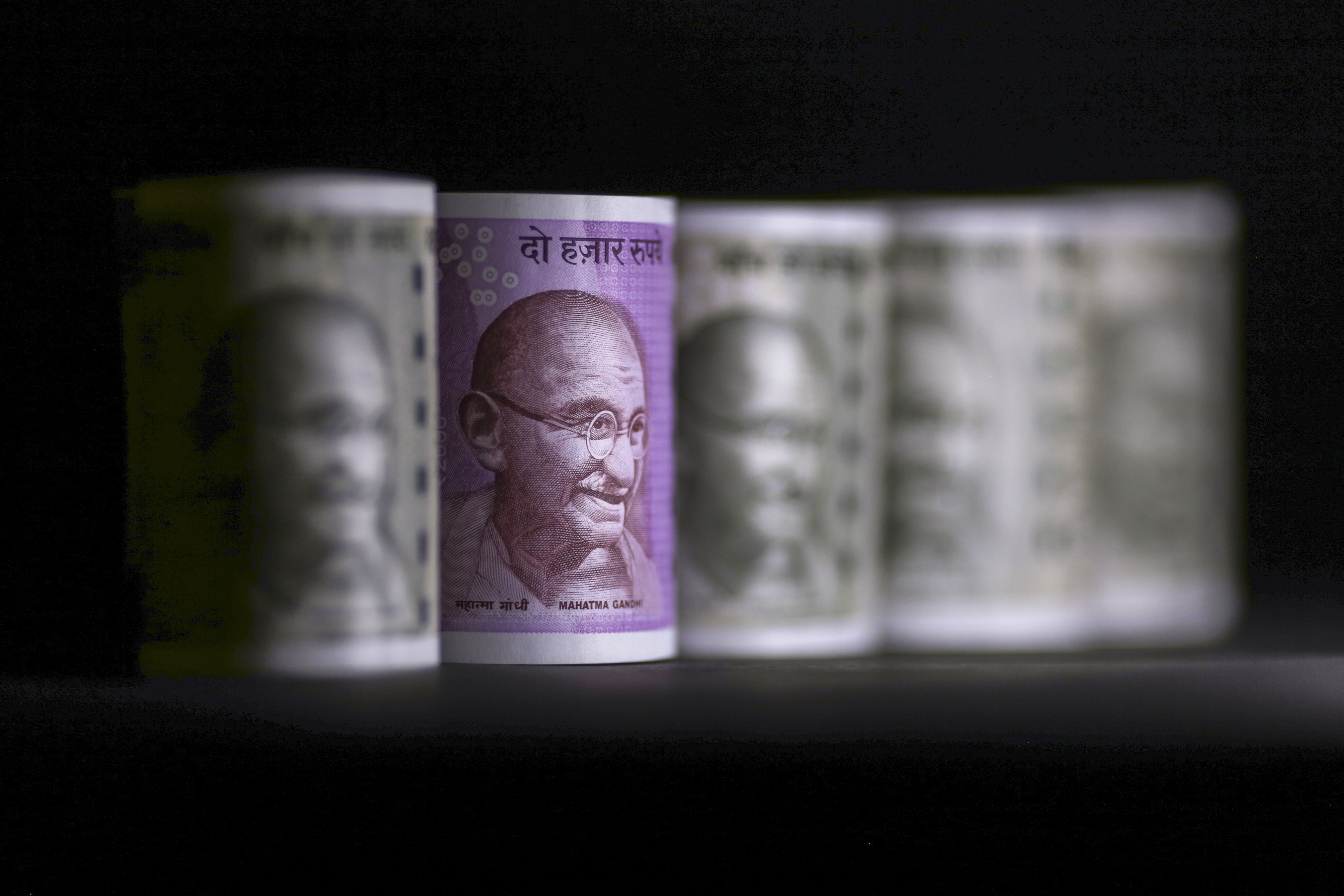
Happy Sunday.
It was a slow news week. Not that we are complaining. It gave us time to catch up on some reading and think about a few things.
One of these was the direction of the rupee. Two interesting notes on the currency markets landed in the inbox. The first was from Gaura Sengupta at IDFC First Bank, who is expecting the rupee to depreciate.
Globally, real yields in the U.S. are rising and we've dwelled on that for some weeks. These rising yields are never good for emerging market currencies. Locally, the rare current account surplus will reverse and higher commodity prices will hit home. If local prices rise then the inflation differential will also widen. All these factors are rupee negative, IDFC First said in its report.
All taken together, IDFC First expects the rupee to head towards 75.50/$ over the course of the year.
Rahul Bajoria at Barclays approaches the currency question more from the perspective of what the RBI will do and the central bank's balance sheet.
As we have said before, the RBI is holding on to the currency for dear life, lest it gets swept away with the rush of equity inflows, only to eventually fall-off a waterfall. Too much prose on a mundane matter of the rupee? Yes, okay, we agree.
Back to Bajoria's argument. He sees the RBI becoming slightly more tolerant of a stronger rupee as imported inflation picks up. This as India's foreign exchange reserves have risen to $584 billion and the forward book has risen to a record $55 billion. Bajoria also says that the multiple objectives of having a stable currency, a well-behaved yield curve, as well as anchored short-end rates amid a reduction in excess liquidity are now conflicting with each other. “Against this backdrop, the currency appears to have been ‘let go', notwithstanding the snapback amid a stronger U.S. dollar in the past few days.”
Bajoria sees the central bank let the currency float up to 72.10 levels by March-end. For the new fiscal, based on analysis of the RBI's balance sheet and the new economic capital framework, he sees the range for the currency at 74.3-80.1/$. This implies material currency weakness from current levels, despite an expected healthy balance of payments position, Bajoria writes.
In short, FY22 is setting up to be a year of rupee weakness. Not a fragile-five type drop but a more garden-variety depreciation. And that's ok.
We'll leave you with a few good reads from BQ this week.
As authorities dig deeper into the Franklin Templeton mess, there are allegations emerging that insiders sold large amounts of units before six schemes were wound down. A full investigation is pending but Menaka Doshi flags a missing link in mutual fund regulations that need to be fixed.
This week marked a year since the collapse of Yes Bank. Co-founder Rana Kapoor has been in jail this whole time. Vishwanath Nair went digging to understand the charges that are being levelled against him. Running a bank badly, in itself, is probably not a crime. The allegations are of kick-backs at least in three of the four cases and more may follow.
Finally, this story on the State Bank of Sikkim by Ridhima Saxena is all kinds of fascinating. A tiny mountain bank that continues to exist outside India's formal banking system, with a nudge and wink from the powers that be. If there was ever a ‘Dummy's Guide To Running A Bank Outside The Banking System', State Bank of Sikkim would make for an ideal case study.
Have a restful weekend.

-
Navigating Energy Crossroads: S Jaishankar's Call For Diversified Supply Chains At G20 Ministerial Meeting

As geopolitical fault lines continue to test maritime trade routes and commodity flows, Jaishankar's message remains pertinent: true economic resilience requires open markets, protected transit lines, and a genuine commitment to multilateral cooperation rather than coercion.
-
Indians Are Travelling, But Not Every Journey Is A Holiday | The Week In Whys
Pilgrims, patients and working women are the real travellers, and the system hasn't quite caught up with them.
-
Getting To Work Costs Women More | The Reason Why
It is not just about women paying more than men. It is about women paying much more in cities than in villages.
-
AI Bias In Investing Cannot Be Eliminated, But It Can Be Governed
Framing is a particularly important example as identical financial information presented in terms of gains rather than losses can lead an LLM to reach a different assessment.
-
Joining The Dots | Dark Skies, Steady Diya: Why Hope Holds This Diwali
With war, a weak rupee and foreign outflows weighing on sentiment, policymakers at the NDTV World Summit and market veterans at NDTV Profit Ignite: Diwali Edition offered the same advice: stay invested and filter out the noise.
-
The Curious Case of Equitas Small Finance Bank And A CEO Who Quit For Stock
PN Vasudevan believes persistent investor concerns over a perceived conflict of interest had become a governance overhang on Equitas Small Finance Bank's stock, even as the lender improved profitability and asset quality.
-
Talking Points This Week: AI Cash Burn, A Tiger Comeback And An India That Still Finds Its Own Path
India is not immune to higher oil or tighter global liquidity, yet its earnings base is broader, its domestic policy levers are still available.
-
Foreign Investors Own Half Of HDFC Bank and ICICI Bank. An LTCG Cut Could Matter Most Here
Foreign portfolio investors have US$115 billion parked in HDFC Bank, ICICI Bank. If the government cuts long-term capital gains tax, Jefferies says returning foreign money could land here first.
-
'Never Seen This Level Of Negativity': Sandeep Tandon Says The Next Rally May Be Closer Than You Think
Veteran investor Sandeep Tandon says foreign selling is easing, large-caps are due a comeback and mid-caps are crowded, while he turns positive on gold, power and pharma this Diwali.
-
Indians Stay With Family, Not In Hotels | The Reason Why
India still lacks enough clean, reliable and affordable hotels for budget-conscious travellers.










