The Unfinished Business Of The Space Race

There are few events over the course of human history that have been as iconic as the Moon landings. What underpinned Moon landings and the resultant leap in technology thanks to the space programs in the 1960s was undoubtedly the race between the USSR and the United States to be the geopolitical top dog. But the moment the victor became evident there wasn't any glory left for the competitor to keep playing. It all stopped as abruptly as it had started.
Decades later, we are now seeing a regeneration of interest in all things space. The romantic notion of humans as a multi planetary species is coming back into public imagination after a few decades when practicality - read satellites - overtook the love for exploration - read humans on Mars.
While humans look to start a new era in space, the rules of the game are as unforgiving as ever.
Space was and will continue to be expensive, harsh and unpredictable. There is no shortcut and the infrastructure, capability and capacities that need to be developed will need to survive everything that can be thrown at it.
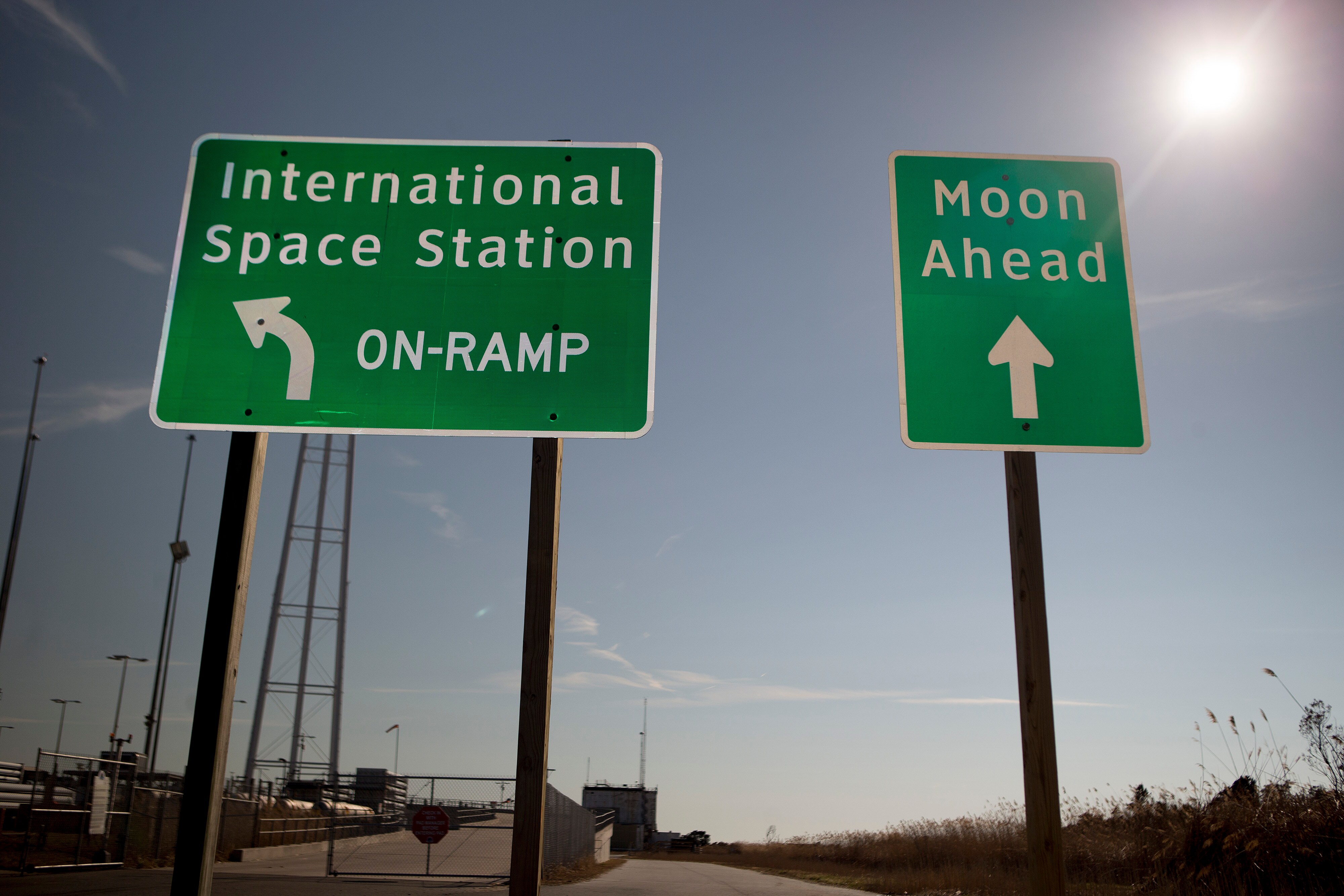
The one big difference though is that the idea of space and the conversations around it is no more merely about reaching the finite finish line of humans setting foot on a celestial body like it used to be.
This underpins the rise of NewSpace and private enterprise that is driving NewSpace.
The moment you classify space as infrastructure, the massive investments that are required to make it all happen starts making sense. Sure, it needs a lot of patient capital infusion and it will take upwards of five to seven years for any investment to really start reaping rewards, but once it is all setup, space will provide returns and will keep on giving for a long time, and with minimal maintenance. Over the next couple of decades we will see the value added to the global economy by space based infrastructure grow several fold.
Also Read: This ‘Made in India' Robot Could Be India's Ticket To Landing On The Moon
Now, humans have for many decades been using space as infrastructure in limited ways like satellites. I believe we haven't scratched the surface when it comes to possibilities yet unexplored.
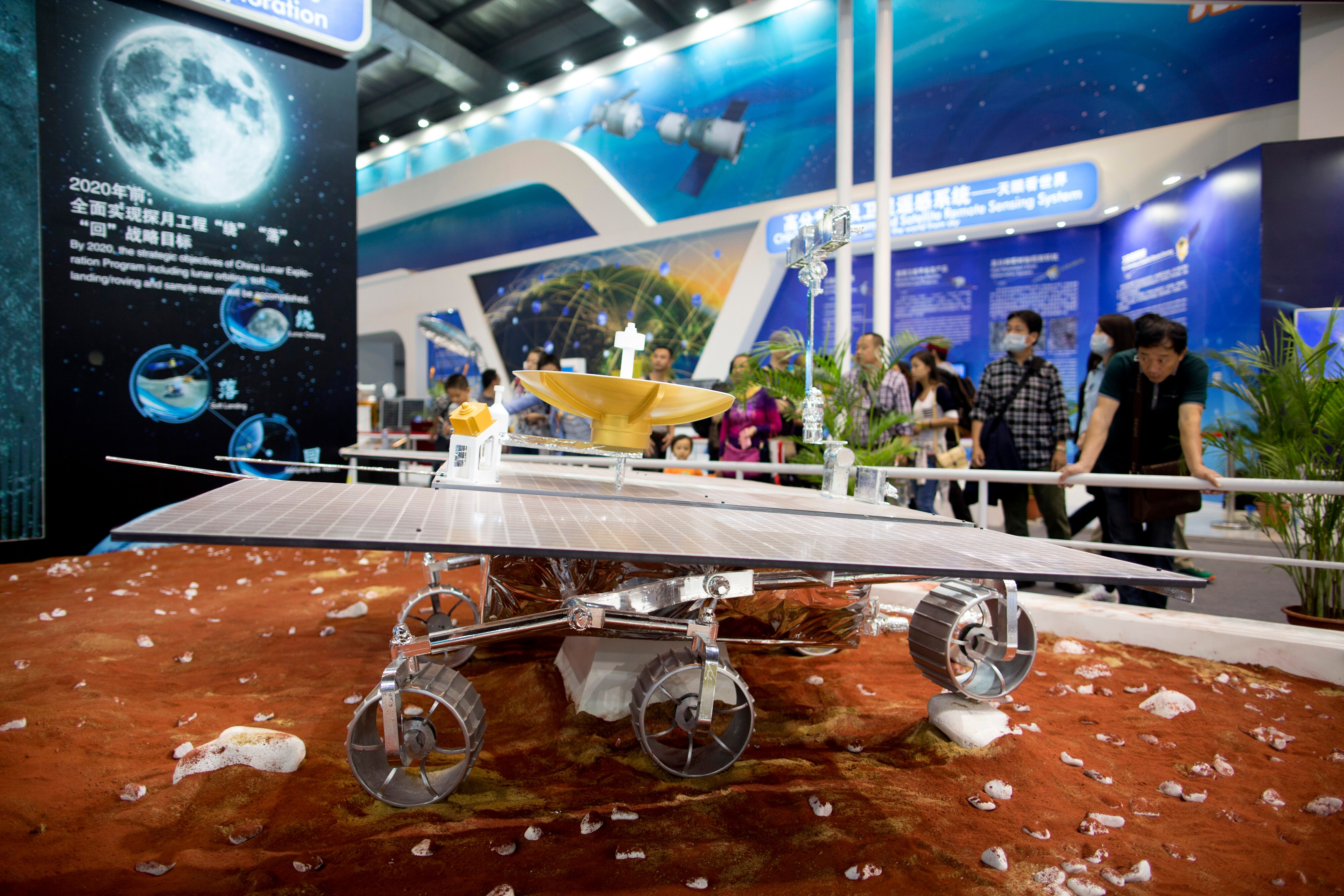
The addition of value to the space economy will come from several sources - some old, some from renewal of old ideas and some brand new thinking. These include evolution of existing services like next generation GPS, wide area WiFi and space-based weather prediction as well as introduction of new services like space-debris removal. Add to that space tourism of the Virgin Galactic ilk, evolution of Skybox-Terra Bella type services, renewed interest in Exo-Biology, and research into sustainable multi planetary life.
Also Read: SpaceX Pulls Off First Reused Rocket Mission in Triumph for Musk
A huge factor in pushing through these would be private capital coming into what was once dominated by governmental budget allocations.
What is a given is that private enterprise will bring in huge shifts in efficiencies which would lower costs and that in turn, will be a huge driver for Space 4.0.
We are already starting to see this in areas like launch services and ground stations.
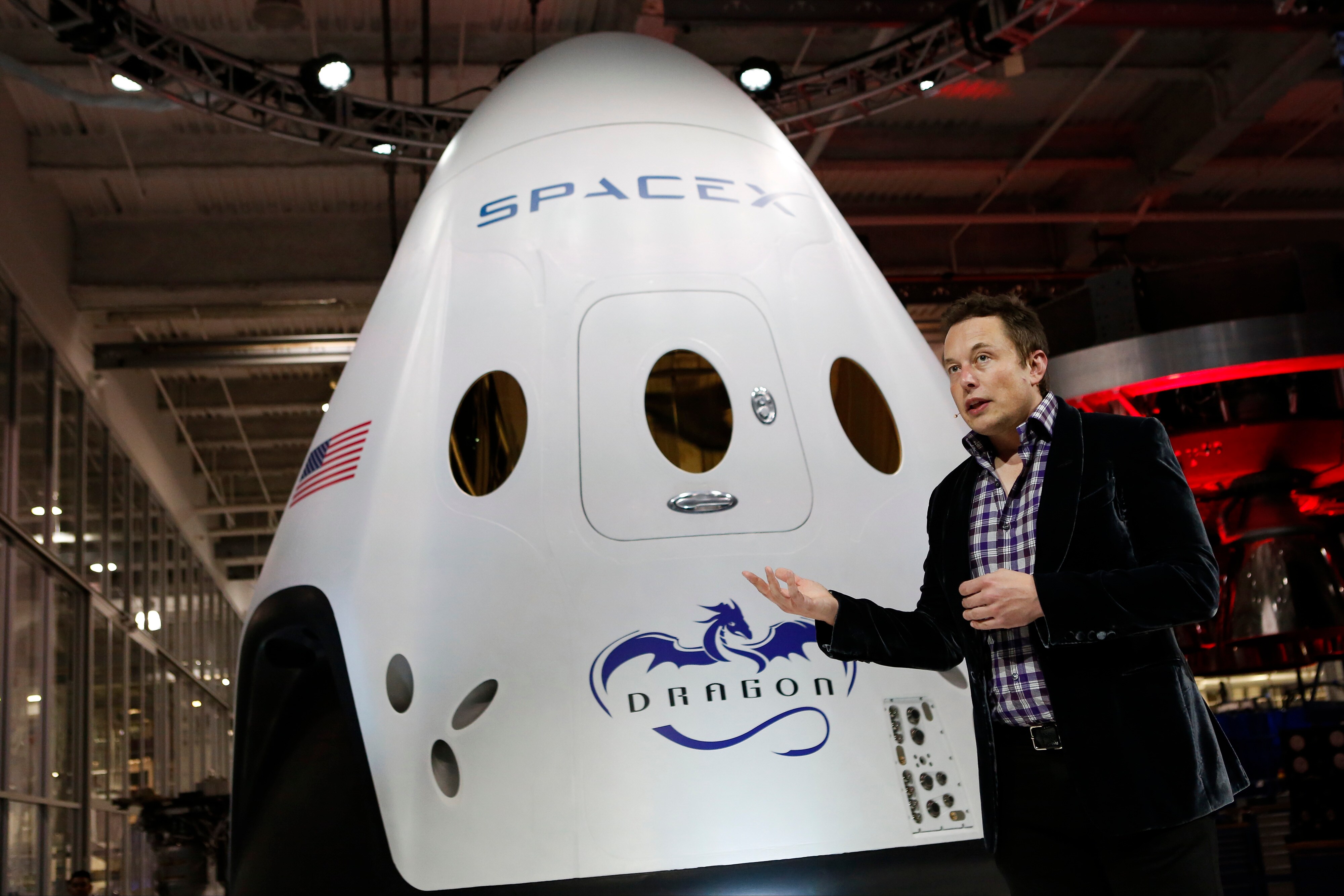
As with most entrepreneurs who are trying to establish themselves in what has been a relatively closed industry, it has not been an easy journey for us at TeamIndus over the last few years. There have been many who were, to put it mildly, cynical when they heard what we wanted to do. The argument against entrepreneurs in a country like India exploring space is often the same. How can money be invested in space when there are millions who are poor on Earth?
But that comes from a narrow line of sight of looking at science and engineering as an end it itself.
Any investment that has been made into science and engineering has repaid humanity many times over.
To say that a country wouldn't benefit by investing in science is to be blind to pretty much every aspect of human civilisation over the last many centuries. Encouraging entrepreneurs to find answers improves lives while creating value. There is much value to be created in space and for a country like India, it is another information technology revolution waiting to be tapped.
Also Read: Japanese Hakuto To Hitch A Ride To The Moon With India's TeamIndus
The truth is that while space is an expensive proposition, investments in space tend to give returns in multiple facets of human life - from communication to medicine, from materials to weather, from cartography to exploration. Space is an integral part of the global sans-national-boundary infrastructure. The time to join the dialogue, bring in new age thinking and push the boundary is now.
Rahul Narayan is Founder and Technology Lead for TeamIndus, the only Indian team in the Google Lunar XPRIZE competition, which is building a privately funded spacecraft capable of soft landing on the Moon.
The views expressed here are those of the author's and do not necessarily represent the views of BloombergQuint or its editorial team.

-
Where You Live Shapes How You Get To Work | The Reason Why

Two-wheelers are the most popular way to get to work in India, accounting for nearly 43% of workplace commutes.
-
High US Salaries, No Green Card Certainty: The Financial Calculation Facing Indian H-1B Families
The suspension of PERM processing at eight technology employers does not cancel existing H-1B visas. What it does is force a question many Indian families have been avoiding: is the US salary worth tying your career and family plans to one employer?
-
Unhedged Position: Can India See An Indonesia-Style Time Correction?
The Nifty is trading below levels it first clocked in 2024. Is there, then, as I have suggested in the headline, potential that the current time correction drags on painfully for the next three-five, even ten years?
-
Navigating Friction And Energy Realities: An Analysis Of Marco Rubio's October Visit To India
Occurring at a critical juncture marked by stalled trade negotiations and escalating geopolitical pressures over global energy supplies, the visit offers a profound window into modern US-India relations.
-
India Exports Capital. Why Not Export Trusteeship?
The big question, then, is whether India can build an institution that global borrowers, investors, banks, and lawyers can trust, even without an Indian connection.
-
France's Economy & Politics Are In Crisis | The Reason Why
Let's look at how the French economy and politics evolved under Nicolas Sarkozy, Franois Hollande and Emmanuel Macron.
-
You May Inherit The Business. You Must Earn Its Credibility.
Succession tests the founder's ability to share authority as much as it tests the next generation's readiness to assume it.
-
Signing Deals Is One Thing; Making Them Work Is Another | The Week In Whys
Sometimes, things don't turn out as planned. Indian companies have lost some bids to rivals, some projects won't produce until 2030.
-
FOMC Wall, PERM Suspension, Hospital Stocks | Talking Points This Week
A PERM suspension would directly affect green-card sponsorship rather than H-1B visas, so the near-term earnings impact could remain relatively limited. The key question is whether this marks a new phase in US scrutiny of Indian IT.
-
Everything, Everywhere, All At Once: Dalal Street's Week To Forget | Joining The Dots
Visa curbs, a Starlink spat and cancer drug caps: what connects this week's shocks for Indian markets