The Next Steps After Ending The APMC Monopoly

The Maharashtra government's recent ordinance to reform agricultural marketing is a big hop, in what I see as a ‘hop, step, and jump' race towards farmer prosperity. The state government must be lauded for this far-reaching move.
The big hop, to my mind, is restricting the Agricultural Produce Market Committee's power to regulate marketing of agricultural produce within the market yard, and not in all of its delineated market area. The resultant open regime will lay the foundation for innovations in alternative marketing channels and draw the consequent investments in the necessary infrastructure.
The stated intent of this reform—as was the case for similar reform in marketing of fruits and vegetables a couple of years ago—is “ensuring better prices to the farmers for their produce”. One step and a jump, beyond this hop, are essential to accomplish this goal.
When a few other agriculturally prominent states follow suit and open up their agricultural marketing, which of these states will attract the much-needed investments? More and quicker?
A Vision Document For Policy Clarity
The next key step for the state is to publish a white paper and a vision document.
A white paper on the state's agricultural resources, namely crops that can be grown competitively based on the local agro-climatic conditions, logistical advantages of the location including access to key markets, state of the infrastructure etc. A vision document outlining the value addition opportunities and a road-map that can leverage these resources.
While it's true that all the stakeholders can figure out these opportunities on their own without such documents, the state publications will play a vital role in changing the mindset of the front-line officials from one of regulation and enforcement, to that of the desired promotion and facilitation.
When an official vision document lays out a roadmap for the future, every officer does not need to assess the evolving business models and their impact on farmers and consumers.
For industry, the policy regime becomes more predictable.
A Demand-Driven Framework
The jump is in moving away from the market yard/mandi-centric paradigm of agricultural marketing, whether such market yards are set up by the government or private companies, be they physical or electronic.
The mandi is an institution of the production-driven supply chain system from the food shortages era.
The backdrop of any APMC reform is the need for transitioning Indian agriculture to demand-driven value chains on the canvas of global competitiveness. True alternative marketing channels would be value chain specific, and further, farmer-cluster or company specific, based on how the value creation is going to occur.
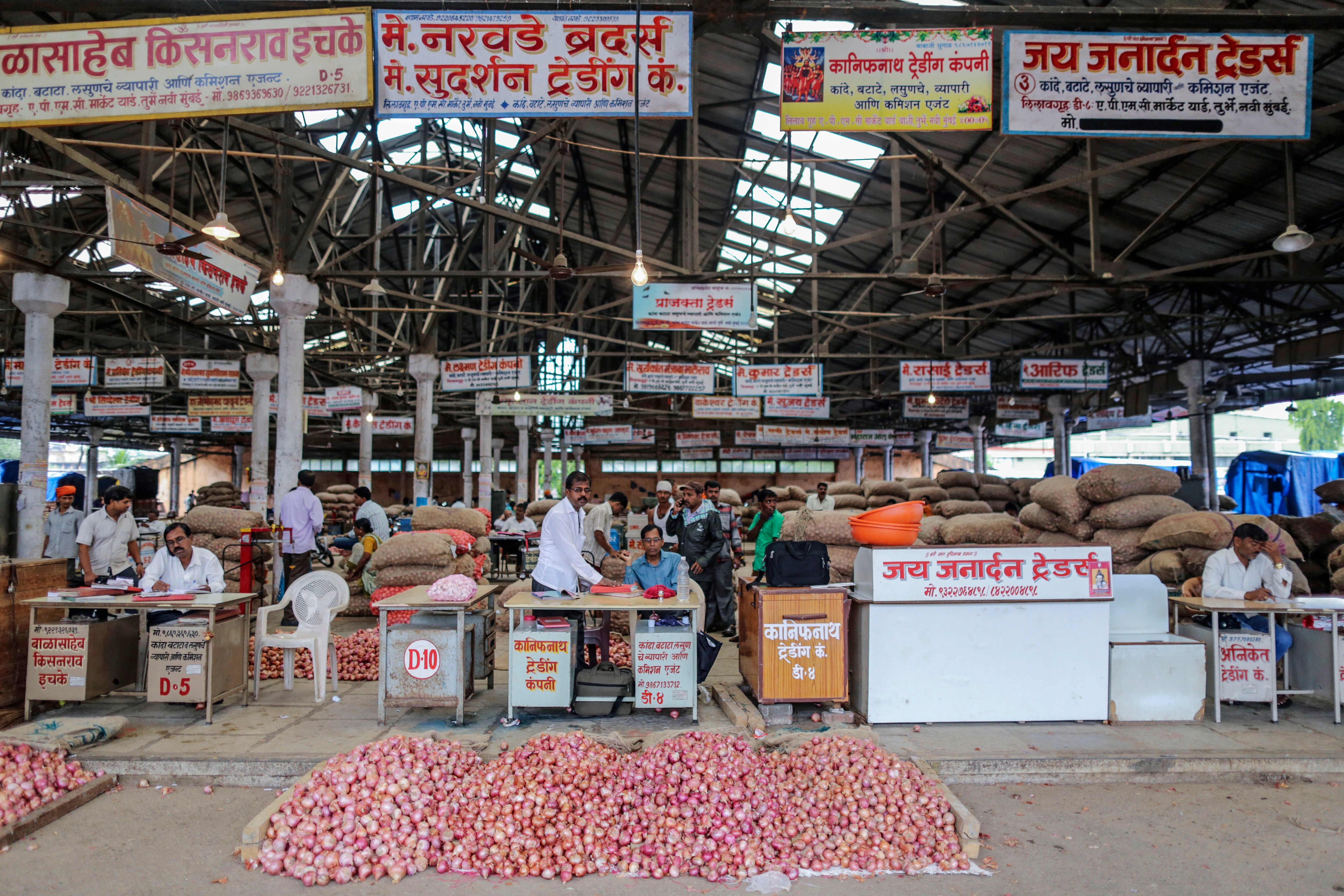
Don't be mistaken when I say that market yards would be history. They will continue to play a vital role in marketing a very large volume of the undifferentiated fair average quality produce.
Simple cost reduction, by moving farm produce directly to processing units bypassing the mandi may be enough in the ‘low-unit-value and high-volume' commodities.
Price discovery through linking spot transactions to derivative markets is more important in commodities where the prices are highly volatile.
When hard and soft infrastructure exists for warehouse receipt financing, and the derivative markets are mature and deeper, such transactions will increase manifold. Declaring warehouses, silos, cold storage and others as ‘Market Sub Yards' in the current ordinance is a good move in this context.
On a completely different note, integrated crop and pest management, organic and such other crops that promise food safety to the consumers need traceable value chains.
The agricultural produce of none of the above value chains should go to mandis to fulfil the illustrated farmer/consumer needs. While the current APMC Act does have provision for direct marketing, that should get mainstreamed.
This paradigm shift away from the mandi-centric view of agricultural marketing—when appropriately detailed out in the vision document and properly implemented—would be the high-jump needed to ensure better prices to the farmers, rounding off the hop, step, and jump.
S Sivakumar is the chief executive of the agri businesses at ITC.
The views expressed here are those of the author and do not necessarily represent the views of BloombergQuint or its editorial team.

-
Ten Things I Learnt This Samvat

Patience can be a trap. Cheap stocks can stay cheap. Leverage can wipe you out. What did Samvat 2082 teach us? Niraj Shah writes on 10 lessons from the year gone by.
-
Talking Points This Week: Tech Nerves, FII Buying, And A Faraway Banking Shock
The global markets are not shining this Diwali. The exception in the large markets is, India.
-
Midterm Rally Lasted A Day. The Hard Reality Of A Divided US May Last Two Years | Opinion
Between a contested AI boom, a debt ceiling that arrives in 2027 and a president with every incentive to act alone, the next two years may prove more volatile than the first day's rally suggests.
-
Blue Wave Will Derail the AI Trade but Won't Dismantle the AI Era | Unhedged Position
The Democrats' sweep of the US Congress will see politics collide with economic forces both over the long and short term.
-
It's Time To Take The GST Council's Bet On Trust Global
Payment records can prove India's services exports, and clear, proportionate rules can bring foreign digital sellers into the tax net.
-
Opinion | India at 38: From Innovation Overperformer to Innovation Powerhouse
India now has 453 VC-backed deep science startups, 18 of them late-stage, after 117 percent growth since 2020. Laurus Labs, at USD 9.3 billion, is the most valuable deep science company in any middle-income economy outside China.
-
Navigating Energy Crossroads: S Jaishankar's Call For Diversified Supply Chains At G20 Ministerial Meeting
As geopolitical fault lines continue to test maritime trade routes and commodity flows, Jaishankar's message remains pertinent: true economic resilience requires open markets, protected transit lines, and a genuine commitment to multilateral cooperation rather than coercion.
-
Indians Are Travelling, But Not Every Journey Is A Holiday | The Week In Whys
Pilgrims, patients and working women are the real travellers, and the system hasn't quite caught up with them.
-
Getting To Work Costs Women More | The Reason Why
It is not just about women paying more than men. It is about women paying much more in cities than in villages.









