The Many Shapes And Sizes Of Indian Currency Notes
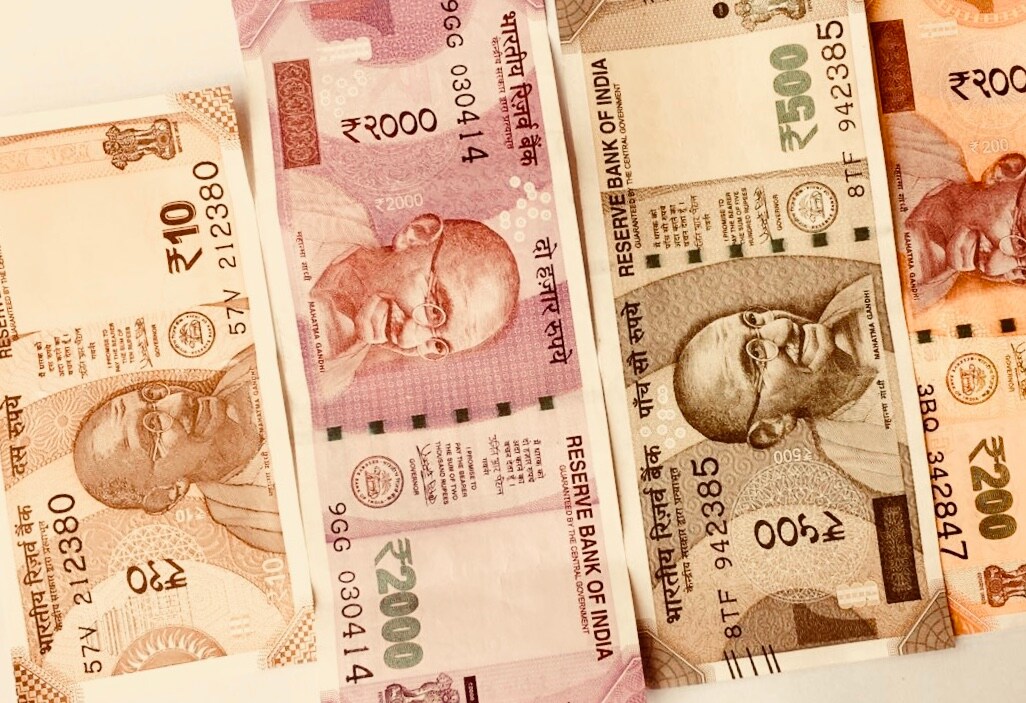
Indian banks and their ATM managers have a problem on their hands. One which they have become painfully familiar with over the last eighteen-odd months.
The problem - changing and varying sizes of Indian currency notes and the need to ensure that the country's ATMs can actually dispense these notes.
This week, the Reserve Bank of India announced that it is launching a new series of Rs 100 notes. These notes will buy you the same amount of goods and service but they'll come in a different packaging. The familiar grey-blue colour will be replaced with a lavender. And the size will shrink to 66 mm × 142 mm. Both kinds of notes will co-exist and will be considered ‘legal tender' in technical parlance.

Nice. The lavender will add a little more colour to my wallet, you thought? Well, that wasn't the reaction from banks and ATM provider. For them, the introduction of the new note means that ATMs will have to be re-calibrated yet again. That involves effort and cost.
“We have recently completed re-calibrating ATMs for the new Rs 200 notes. We are awaiting further details before we begin re-calibrating them again for the new Rs 100 notes,” P.K. Gupta, managing director at State Bank of India told BloombergQuint.
Banks went through a mammoth exercise of re-calibrating ATMs after demonetisation in November 2016. Back then, 86 percent of the country's currency held in Rs 1000 and Rs 500 notes was withdrawn. When new notes of Rs 500 and Rs 2000 were introduced, they were different in size from the old notes. And so, banks and ATMs went about re-calibrating a large part of the nearly 2.4 lakh ATMs across the country.
Banks and ATM service providers had just about finished the first round of re-calibration when, in August 2017, the RBI introduced a Rs 200 note. This, too, was of a different dimension. This meant that in the initial months, the Rs 200 note was only dispensed through bank branches and not through ATMs.
The same is likely to happen with the new Rs 100 notes, said Gupta.
In the beginning, we will dispense these notes from our branches and depending on the supply of these notes, we will decide when to begin re-calibrating ATMs...The process will be in phased manner as old notes will continue to remain in circulation.P.K. Gupta, Managing Director, State Bank of India
Gupta added that citizens should be prepared to see different notes being dispensed through different ATMs. Some will dispense the old notes while others will carry the new ones, he said.

To be sure, there is a logic behind changing the design of currency notes.
Most often, a change in design is a way to keep fake notes from coming into the market. To avoid counterfeiting of currency notes, design changes and an update in security features are common. However, changes in the size of security notes is a bit more cumbersome for the industry to deal with.
Radha Rama Dorai, managing director at ATM & Allied Services explains that re-calibrating all the 2.4 lakh ATMs in the country would cost about Rs 70-80 crore and the process could take between six to nine months.
At present, ATMs, which have four cassettes in which notes are placed, are being used to dispense Rs 2000, Rs 500, Rs 200 and Rs 100. The introduction of a new Rs 100 note of a different size will mean that only some ATMs will be re-calibrated to allow for these notes to be dispensed.
“The old and new notes would have different dimensions. So while technically it is possible to dispense both, logistically it is not (because of the fixed number of cassettes),” she said.

-
Navigating Energy Crossroads: S Jaishankar's Call For Diversified Supply Chains At G20 Ministerial Meeting

As geopolitical fault lines continue to test maritime trade routes and commodity flows, Jaishankar's message remains pertinent: true economic resilience requires open markets, protected transit lines, and a genuine commitment to multilateral cooperation rather than coercion.
-
Indians Are Travelling, But Not Every Journey Is A Holiday | The Week In Whys
Pilgrims, patients and working women are the real travellers, and the system hasn't quite caught up with them.
-
Getting To Work Costs Women More | The Reason Why
It is not just about women paying more than men. It is about women paying much more in cities than in villages.
-
AI Bias In Investing Cannot Be Eliminated, But It Can Be Governed
Framing is a particularly important example as identical financial information presented in terms of gains rather than losses can lead an LLM to reach a different assessment.
-
Joining The Dots | Dark Skies, Steady Diya: Why Hope Holds This Diwali
With war, a weak rupee and foreign outflows weighing on sentiment, policymakers at the NDTV World Summit and market veterans at NDTV Profit Ignite: Diwali Edition offered the same advice: stay invested and filter out the noise.
-
The Curious Case of Equitas Small Finance Bank And A CEO Who Quit For Stock
PN Vasudevan believes persistent investor concerns over a perceived conflict of interest had become a governance overhang on Equitas Small Finance Bank's stock, even as the lender improved profitability and asset quality.
-
Talking Points This Week: AI Cash Burn, A Tiger Comeback And An India That Still Finds Its Own Path
India is not immune to higher oil or tighter global liquidity, yet its earnings base is broader, its domestic policy levers are still available.
-
Foreign Investors Own Half Of HDFC Bank and ICICI Bank. An LTCG Cut Could Matter Most Here
Foreign portfolio investors have US$115 billion parked in HDFC Bank, ICICI Bank. If the government cuts long-term capital gains tax, Jefferies says returning foreign money could land here first.
-
'Never Seen This Level Of Negativity': Sandeep Tandon Says The Next Rally May Be Closer Than You Think
Veteran investor Sandeep Tandon says foreign selling is easing, large-caps are due a comeback and mid-caps are crowded, while he turns positive on gold, power and pharma this Diwali.










