The Latest Strike In The War Against Indian Press Freedom
If you're an Indian columnist who believes it's her constitutional right to dissent, you've likely received love notes about your writing these past few years. These usually arrive in your email, contain the words “bad news” and state that your editor has been “asked” to drop your column. No further explanation is needed—or offered.

My fallback, whenever I got such a note, was to send my piece to one of India's newer, braver digital media startups.
Many of these are run by former newspaper and television editors who couldn't survive the political dos and don'ts of the post-Narendra Modi newsroom (I'm part of one too, as is evident from my bio). Most struggle for funding and usually pay contributors less than big media. Some offer contributors a prominent, uncensored platform but zero money.
In recent years, as most of the traditional Indian media has collapsed under the weight of dual-pronged censorship—from the government and from within organisations—this new digital media has borne a large chunk of the responsibility of holding power accountable.
They are Indian journalism's last line of defence.
Notwithstanding few exceptions such as the Speak Out column in Deccan Herald—my favourite blurb of daily dissent—most mainstream media are largely silent and sanitised. In recent times, entertainment platforms such as Amazon Prime and Netflix have offered more critical content than Indian prime-time news.
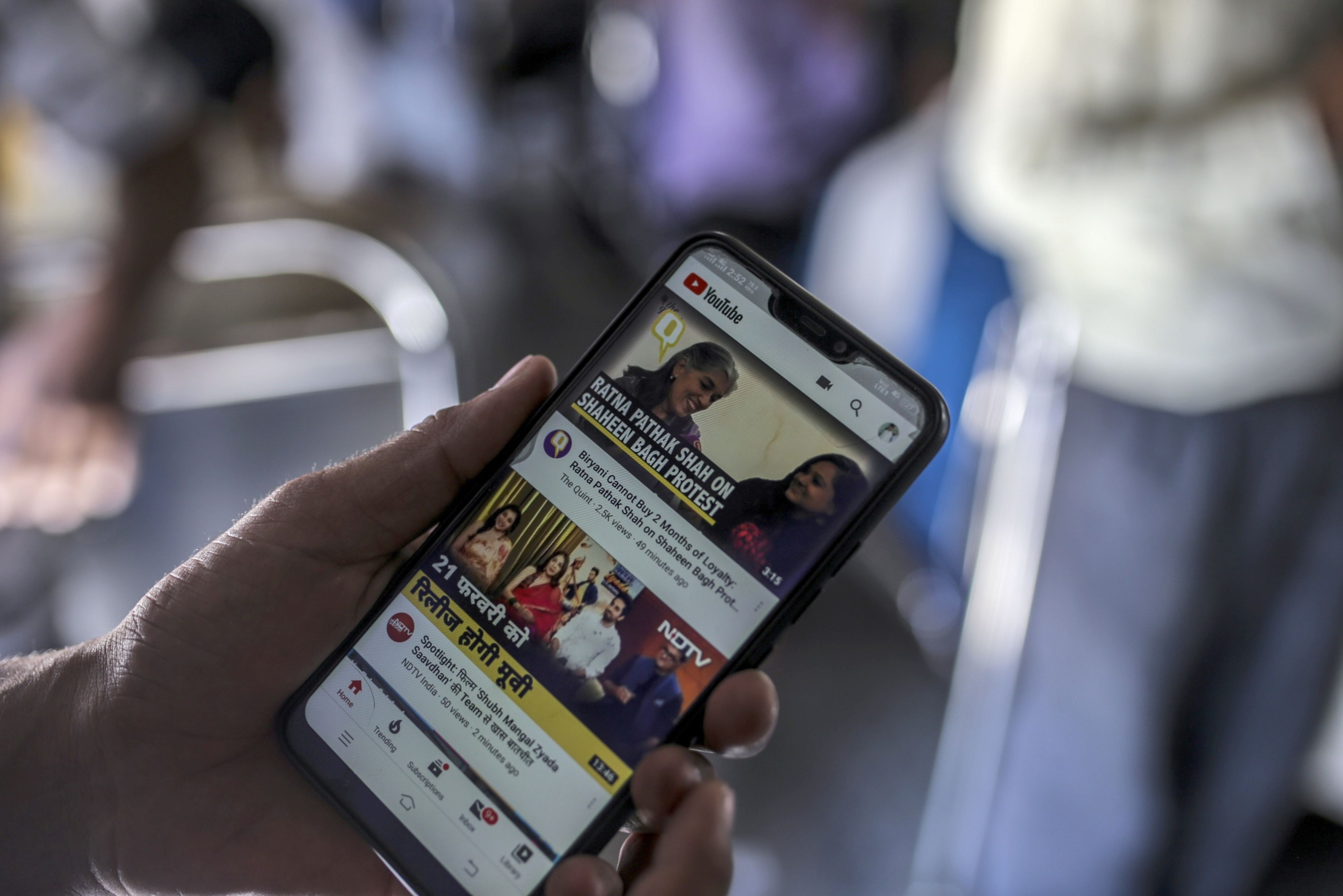
Now, new government rules announced on Feb. 25—to strictly regulate social media and online news and entertainment—aim to choke this last stronghold of dissent.
“The new rules will require media companies to take down content that affects “the sovereignty and integrity of India” within 36 hours of a government order—a definition so broad that it could easily include slights against yoga and chai,” wrote bestselling author Naomi Klein in the Intercept, equating our country with China.
In the last six years, the story of Indian journalism has been depressingly weighed down by censorship and withdrawals; dreaded calls from government officials; bizarre reactions by ministers to press freedom rankings; the sudden departure of editors who don't toe the official line; and outright strikes against journalists, especially those who are brave enough to record and report what they see on the ground in India's mofussil towns.
“Attacks against journalists by supporters of Prime Minister Narendra Modi increased in the run-up to general elections in the spring of 2019,” Reporters Without Borders said in its May 2019 report of media ownership in India. “Hate campaigns against journalists, including incitement to murder, are common on social networks and are fed by troll armies linked to the nationalist right.”
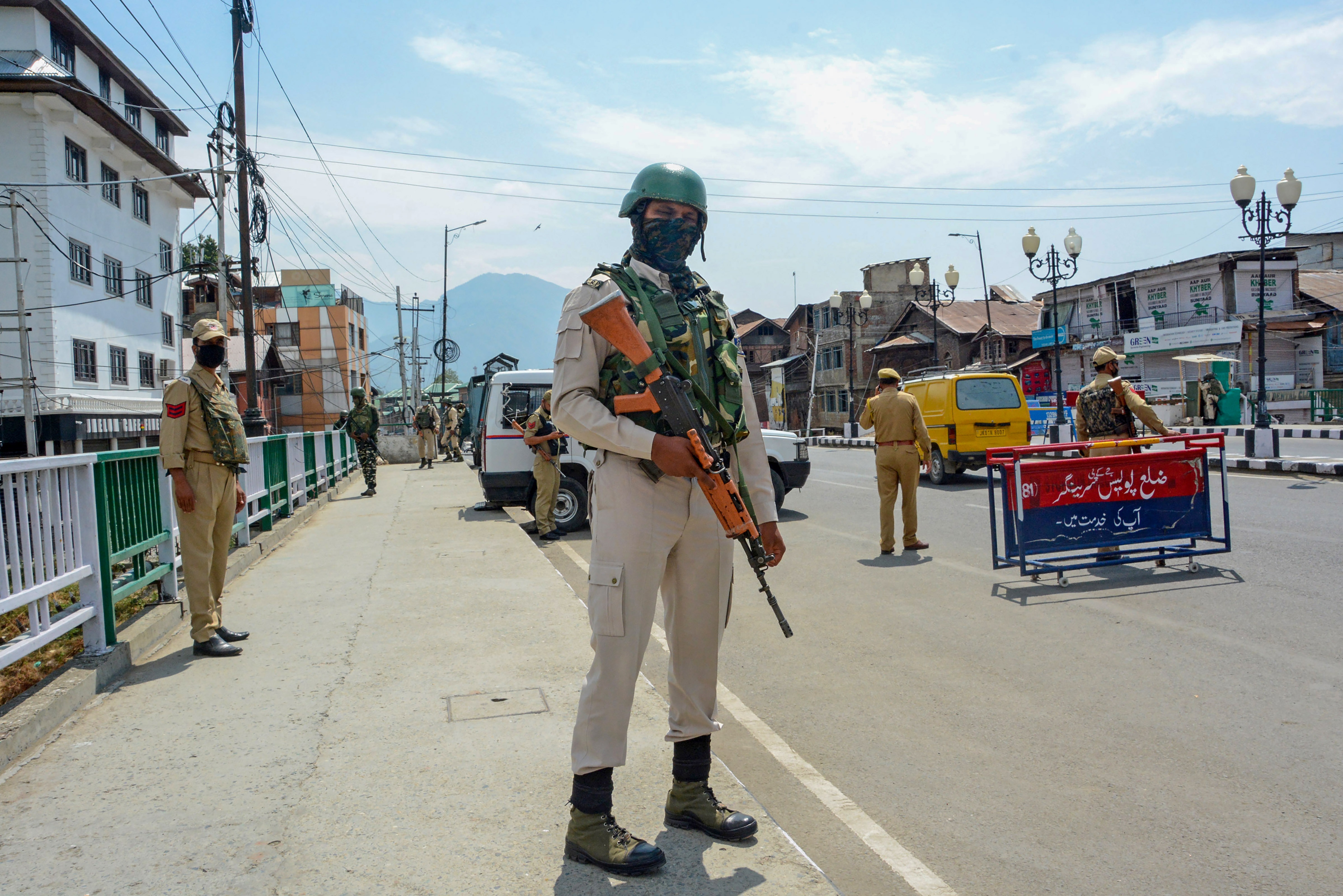
Pause. Let's acknowledge the bravery of journalists in Kashmir, a dateline that has virtually disappeared from national media, and a place where journalism truly is a dangerous profession.
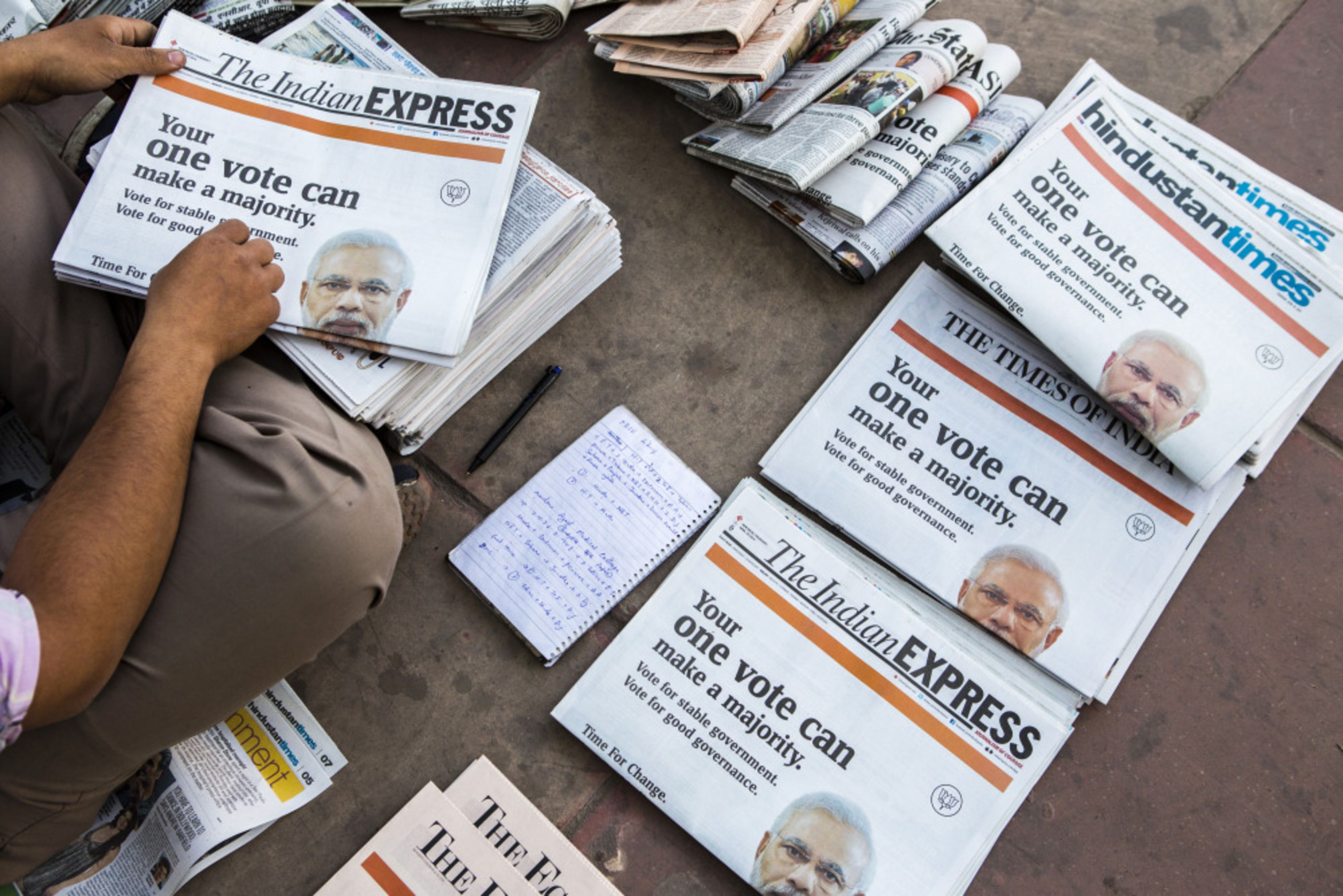
The country's biggest traditional media organisations are run by a select few whose business interests stretch far beyond journalism. Naturally, many media owners are in a quid-pro-quo relationship with power.
Editors who are instructed to be cautious happily go the extra mile, appointing themselves paranoid censors, scouring their newsrooms for all critical references of Modi, or glowing references of Ravish (a journalist who often advises you to give up on mainstream Indian journalism). If they miss something, these editors worry, they will get the dreaded call.
An analysis in The Wire summed it up in 2018: “Now it's not the media that keeps an eye on the government but the government that watches the media with a hawk eye.”
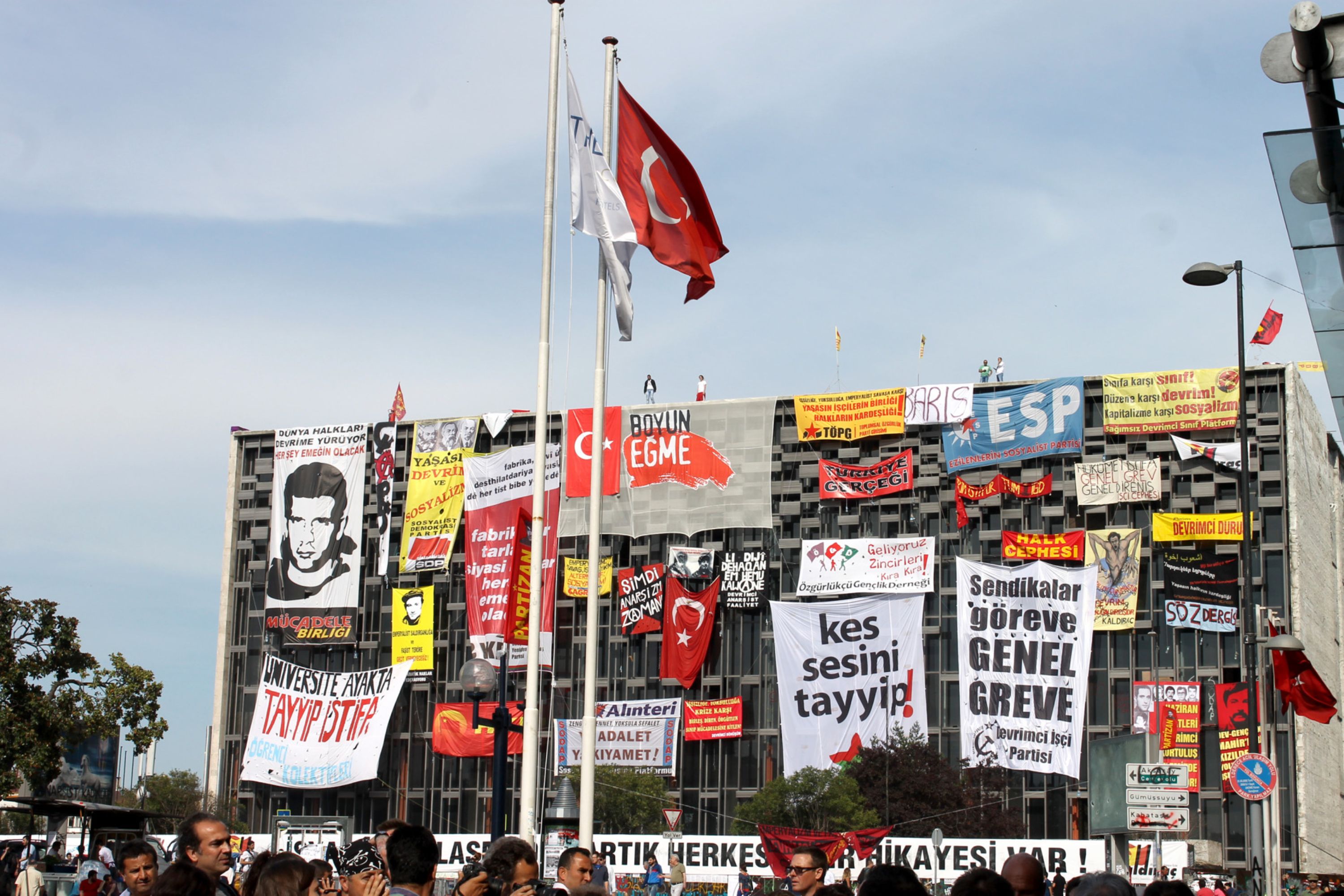
As many senior journalists face sedition and other serious charges, I'm reminded of Turkish author Ece Temelkuran's ‘How To Lose A Country: The 7 Steps from Democracy to Dictatorship'.
She says callers would say to those targeted, “Don't worry, we'll be publishing a newspaper together in Silivri (a high-security prison) soon.” The calendars of Turkey's dissenters are filled with courtroom appearances that “make them feel humiliated and powerless, as if they were part of some giant cosmic joke at their expense,” Temelkuran writes.
The government's latest move was preceded by Kashmir's New Media Policy, introduced in the summer of 2020 and full of vague definitions and threats such as, “Any individual or group indulging in fake news, unethical or anti-national activities or plagiarism shall be de-empanelled (shorn of official recognition and access) besides being proceeded against under the law.”
In its latest avatar, the Information Technology (Guidelines For Intermediaries and Digital Media Ethics Code) Rules, 2021, the government can order digital news media to remove any content under Section 69A of the IT Act which “threatens the unity, integrity, defence, security or Sovereignty of India, friendly relations with foreign States, or public order, or causes incitement to the commission of any cognizable offence or prevents investigation of any offence or is insulting any foreign States.” Basically, anything.
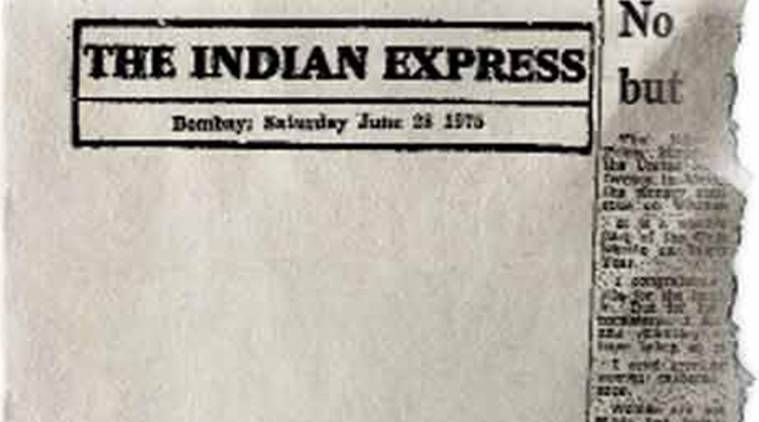
In 1975, newspapers published blank pages to protest a law censoring “malicious” articles during the Emergency imposed by Prime Minister Indira Gandhi. In 2021, this strategy is unlikely to be adequate.
I can't stop thinking of the gory film, 300, which depicted the battle of Thermopylae, often described as one of history's famed last stands. Three hundred Spartans against a powerful emperor. They fought bravely and held off the larger army for days. Yes they were badly outnumbered and it didn't end well, but they inspired fellow Spartans to believe that they could defeat the emperor.
Priya Ramani is a Bengaluru-based journalist and is on the editorial board of Article-14.com.
The views expressed here are those of the author, and do not necessarily represent the views of BloombergQuint or its editorial team.

-
Navigating Energy Crossroads: S Jaishankar's Call For Diversified Supply Chains At G20 Ministerial Meeting

As geopolitical fault lines continue to test maritime trade routes and commodity flows, Jaishankar's message remains pertinent: true economic resilience requires open markets, protected transit lines, and a genuine commitment to multilateral cooperation rather than coercion.
-
Indians Are Travelling, But Not Every Journey Is A Holiday | The Week In Whys
Pilgrims, patients and working women are the real travellers, and the system hasn't quite caught up with them.
-
Getting To Work Costs Women More | The Reason Why
It is not just about women paying more than men. It is about women paying much more in cities than in villages.
-
AI Bias In Investing Cannot Be Eliminated, But It Can Be Governed
Framing is a particularly important example as identical financial information presented in terms of gains rather than losses can lead an LLM to reach a different assessment.
-
Joining The Dots | Dark Skies, Steady Diya: Why Hope Holds This Diwali
With war, a weak rupee and foreign outflows weighing on sentiment, policymakers at the NDTV World Summit and market veterans at NDTV Profit Ignite: Diwali Edition offered the same advice: stay invested and filter out the noise.
-
The Curious Case of Equitas Small Finance Bank And A CEO Who Quit For Stock
PN Vasudevan believes persistent investor concerns over a perceived conflict of interest had become a governance overhang on Equitas Small Finance Bank's stock, even as the lender improved profitability and asset quality.
-
Talking Points This Week: AI Cash Burn, A Tiger Comeback And An India That Still Finds Its Own Path
India is not immune to higher oil or tighter global liquidity, yet its earnings base is broader, its domestic policy levers are still available.
-
Foreign Investors Own Half Of HDFC Bank and ICICI Bank. An LTCG Cut Could Matter Most Here
Foreign portfolio investors have US$115 billion parked in HDFC Bank, ICICI Bank. If the government cuts long-term capital gains tax, Jefferies says returning foreign money could land here first.
-
'Never Seen This Level Of Negativity': Sandeep Tandon Says The Next Rally May Be Closer Than You Think
Veteran investor Sandeep Tandon says foreign selling is easing, large-caps are due a comeback and mid-caps are crowded, while he turns positive on gold, power and pharma this Diwali.
-
Indians Stay With Family, Not In Hotels | The Reason Why
India still lacks enough clean, reliable and affordable hotels for budget-conscious travellers.










