Thailand Looks To Indian Weddings To Boost Tourism Revenue
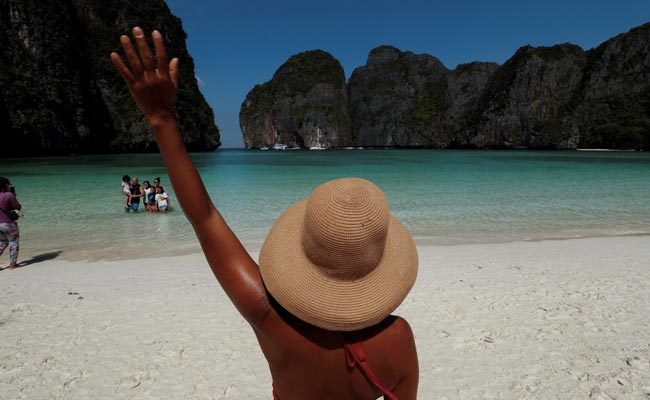
Thailand hopes to boost its tourism revenue to between 600 billion-700 billion baht ($16 billion-$19 billion) by year-end, by targeting high-spending groups like Indian wedding parties and honeymooners, a senior tourism official said.
Famous for its white-sand beaches and nightlife, Thailand hopes to tap into "pent-up demand" from the multi-billion dollar Indian wedding industry, Tourism Authority of Thailand deputy governor Siripakorn Cheawsamoot told Reuters in an interview this week.
"Data from the last two years showed that many Indian couples got married, but couldn't find honeymoon locations ... or held back on getting married because they wanted to have their reception overseas including in Thailand," he said on Tuesday.
Foreign tourism revenue from January to Aug. 28 came in at 186 billion baht from 4.2 million visitors, and 10 million arrivals are expected for the full year.
The Southeast Asian country relies heavily on tourism as a driver of economic growth. Foreign arrivals plummeted to just 428,000 because of the COVID-19 pandemic, compared with a record of nearly 40 million in 2019 when tourism made up 12% of GDP.
Now, having dropped most pandemic-related restrictions, the government is targeting revenue of $11 billion in the second half of 2022.
Indian weddings in Thailand can cost 10 million to 30 million baht, as they can last up to a week and include everything from event planning to catering, decoration and transportation.
About 60% of Indian destination weddings in Thailand were those of residents of India, while the remainder were from overseas Indian families, he said, so Thai tourism representatives in Mumbai and New Delhi are expanding partnerships with wedding planners.
Siripakron expects tourists will be spending at least 48,000 baht per trip this year and in 2023 he hopes that number will rise to 50,000 baht per trip, helped by other high-spending segments like medical tourism and executives choosing to work remotely in Thailand.
The government will also extend some tourist visas from 15 to 30 days starting in October as traveller behaviour changes to favour longer stays due to expensive flights and low availability, he said.
(This story has not been edited by NDTV staff and is auto-generated from a syndicated feed.)

-
High US Salaries, No Green Card Certainty: The Financial Calculation Facing Indian H-1B Families

The suspension of PERM processing at eight technology employers does not cancel existing H-1B visas. What it does is force a question many Indian families have been avoiding: is the US salary worth tying your career and family plans to one employer?
-
Unhedged Position: Can India See An Indonesia-Style Time Correction?
The Nifty is trading below levels it first clocked in 2024. Is there, then, as I have suggested in the headline, potential that the current time correction drags on painfully for the next three-five, even ten years?
-
Navigating Friction And Energy Realities: An Analysis Of Marco Rubio's October Visit To India
Occurring at a critical juncture marked by stalled trade negotiations and escalating geopolitical pressures over global energy supplies, the visit offers a profound window into modern US-India relations.
-
India Exports Capital. Why Not Export Trusteeship?
The big question, then, is whether India can build an institution that global borrowers, investors, banks, and lawyers can trust, even without an Indian connection.
-
France's Economy & Politics Are In Crisis | The Reason Why
Let's look at how the French economy and politics evolved under Nicolas Sarkozy, Franois Hollande and Emmanuel Macron.
-
You May Inherit The Business. You Must Earn Its Credibility.
Succession tests the founder's ability to share authority as much as it tests the next generation's readiness to assume it.
-
Signing Deals Is One Thing; Making Them Work Is Another | The Week In Whys
Sometimes, things don't turn out as planned. Indian companies have lost some bids to rivals, some projects won't produce until 2030.
-
FOMC Wall, PERM Suspension, Hospital Stocks | Talking Points This Week
A PERM suspension would directly affect green-card sponsorship rather than H-1B visas, so the near-term earnings impact could remain relatively limited. The key question is whether this marks a new phase in US scrutiny of Indian IT.
-
Everything, Everywhere, All At Once: Dalal Street's Week To Forget | Joining The Dots
Visa curbs, a Starlink spat and cancer drug caps: what connects this week's shocks for Indian markets
-
India Is Going Abroad For Critical Minerals. But It May Take Years To Pay Off | The Reason Why
Although India's steps are in the right direction, they remain modest compared with India's growing dependence.









