Tesla Shareholders Should Reject Musk’s $1 Trillion Pay Package, ISS Advises
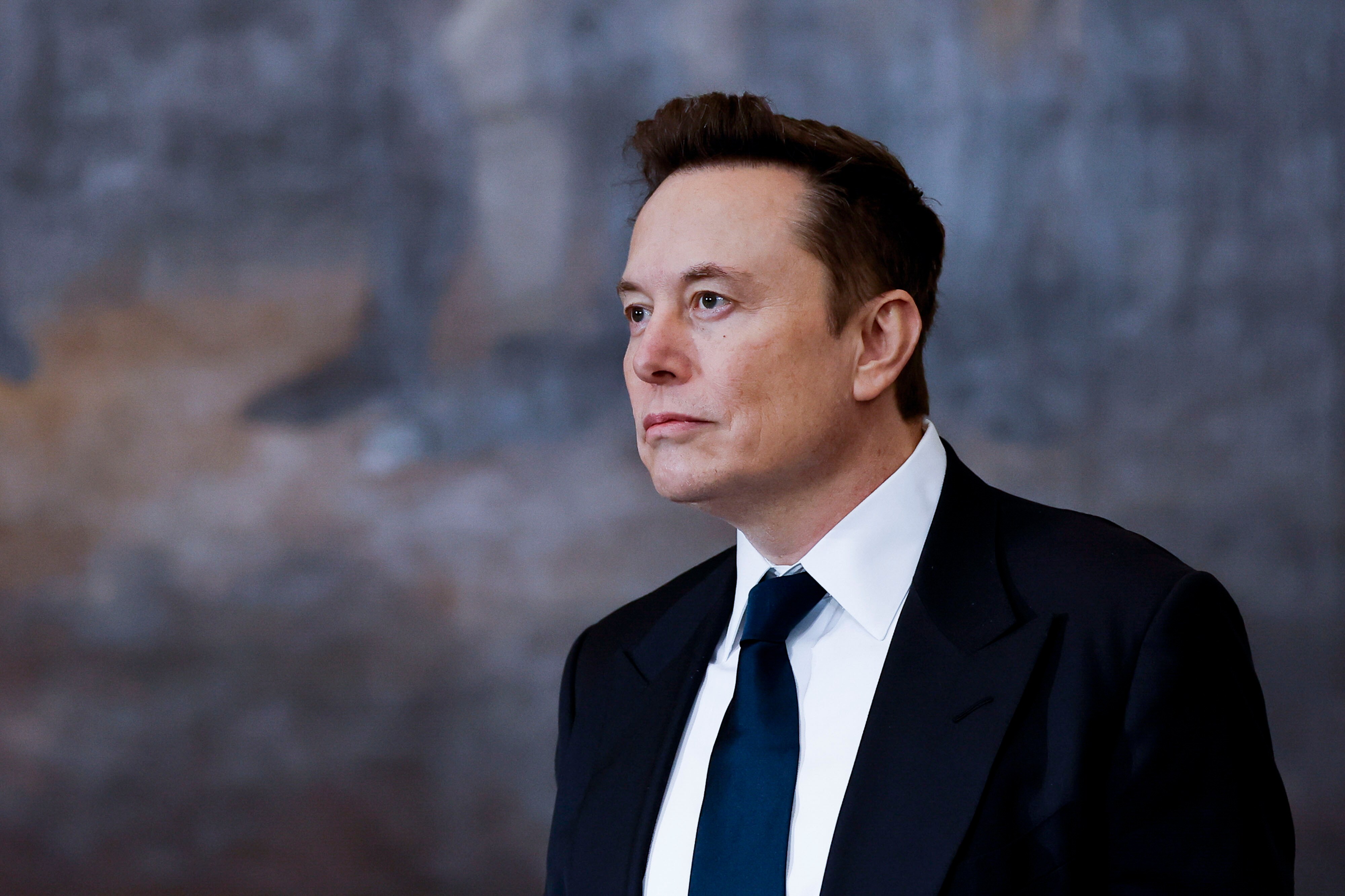
Tesla Inc. shareholders are being urged by proxy adviser Institutional Shareholder Services to vote against Chief Executive Officer Elon Musk's $1 trillion compensation plan, adding a potential obstacle as the board works to rally investor support.
This marks the second year in a row that ISS urged shareholders to vote against a pay package for Musk.
“While it is recognized that the board seeks to retain Musk due to his track record and vision for Tesla's future, and further that some shareholders may support this award in light of Musk's successes in achieving growth of the company, there are unmitigated concerns surrounding the special award's magnitude and design,” ISS wrote in the report.
The proxy firm's recommendation was part of broader voting guidance it issued Friday.
In September, Tesla's board proposed the long-awaited and unprecedented compensation package, designed to incentivize Musk to remain engaged with Tesla over the next decade. To unlock the full payout and additional voting control, Musk will need to reach a number of ambitious goals, including growing the company's market value to at least $8.5 trillion and expanding its car, robotics and robotaxi businesses.
The additional shares Musk could receive would push his holdings in the electric-vehicle maker to at least 25%, according to the terms detailed in a proxy filing.
Musk has threatened to build products outside of Tesla if he can't increase his equity holdings in the company, a key element of the latest compensation plan. While he remains Tesla's largest shareholder, he sold a significant portion of his stock to fund his acquisition of Twitter. The social-media platform, which he renamed X, was acquired by Musk's xAI earlier this year.
Shareholders will vote on the package at Tesla's annual shareholders meeting, set for Nov. 6.
ISS and other proxy firms often have sway over shareholders, and particularly large institutions that hold stock in passive funds. But ISS and fellow proxy firm Glass Lewis both recommended shareholders reject Musk's 2018 pay deal, and about three-quarters of investors still supported the package.

-
Where You Live Shapes How You Get To Work | The Reason Why

Two-wheelers are the most popular way to get to work in India, accounting for nearly 43% of workplace commutes.
-
High US Salaries, No Green Card Certainty: The Financial Calculation Facing Indian H-1B Families
The suspension of PERM processing at eight technology employers does not cancel existing H-1B visas. What it does is force a question many Indian families have been avoiding: is the US salary worth tying your career and family plans to one employer?
-
Unhedged Position: Can India See An Indonesia-Style Time Correction?
The Nifty is trading below levels it first clocked in 2024. Is there, then, as I have suggested in the headline, potential that the current time correction drags on painfully for the next three-five, even ten years?
-
Navigating Friction And Energy Realities: An Analysis Of Marco Rubio's October Visit To India
Occurring at a critical juncture marked by stalled trade negotiations and escalating geopolitical pressures over global energy supplies, the visit offers a profound window into modern US-India relations.
-
India Exports Capital. Why Not Export Trusteeship?
The big question, then, is whether India can build an institution that global borrowers, investors, banks, and lawyers can trust, even without an Indian connection.
-
France's Economy & Politics Are In Crisis | The Reason Why
Let's look at how the French economy and politics evolved under Nicolas Sarkozy, Franois Hollande and Emmanuel Macron.
-
You May Inherit The Business. You Must Earn Its Credibility.
Succession tests the founder's ability to share authority as much as it tests the next generation's readiness to assume it.
-
Signing Deals Is One Thing; Making Them Work Is Another | The Week In Whys
Sometimes, things don't turn out as planned. Indian companies have lost some bids to rivals, some projects won't produce until 2030.
-
FOMC Wall, PERM Suspension, Hospital Stocks | Talking Points This Week
A PERM suspension would directly affect green-card sponsorship rather than H-1B visas, so the near-term earnings impact could remain relatively limited. The key question is whether this marks a new phase in US scrutiny of Indian IT.
-
Everything, Everywhere, All At Once: Dalal Street's Week To Forget | Joining The Dots
Visa curbs, a Starlink spat and cancer drug caps: what connects this week's shocks for Indian markets









