Tech Giants To Self-Regulate, Reduce Harmful Online Content In New Zealand
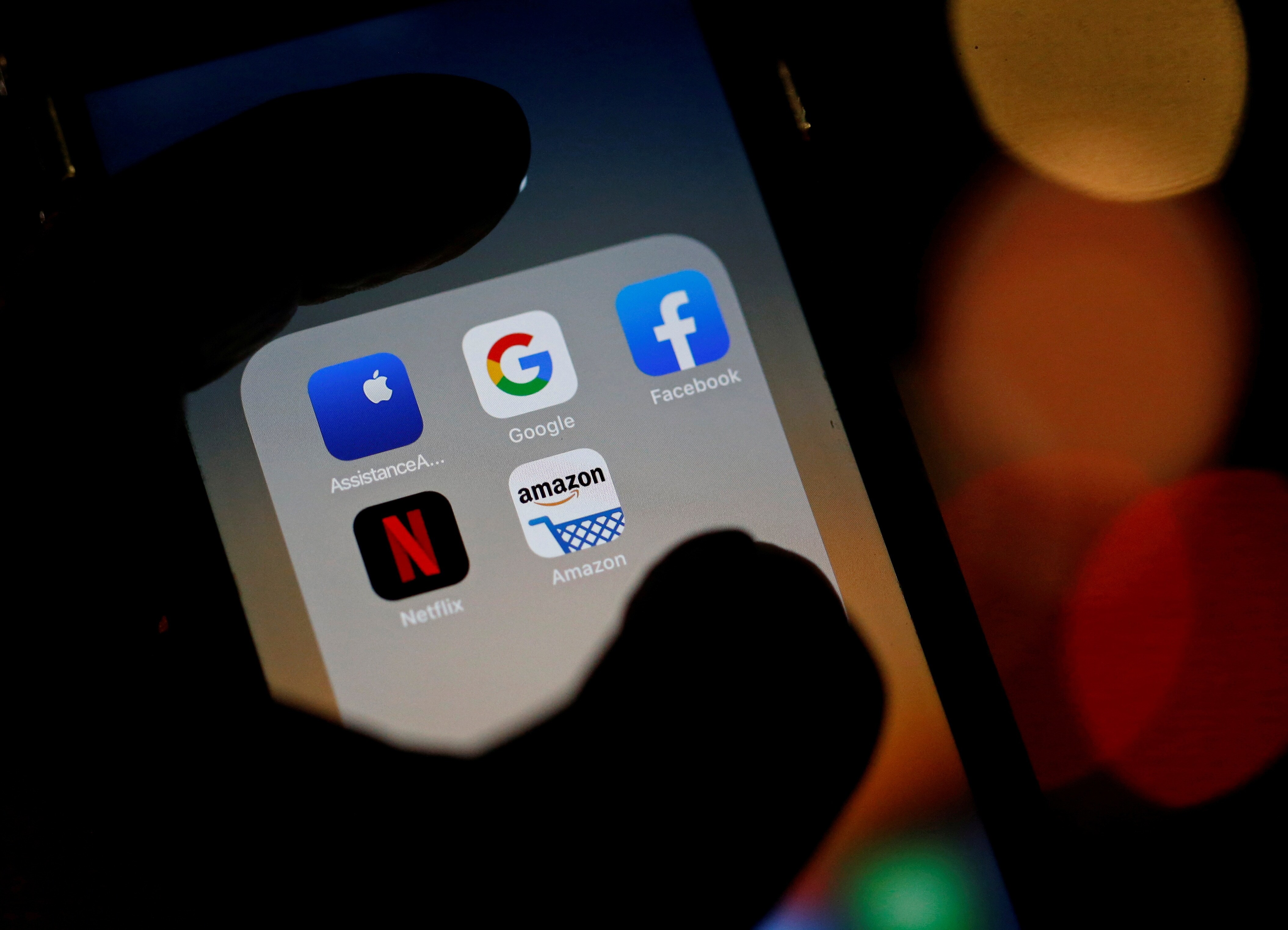
Big tech companies agreed on Monday to reduce harmful online content in New Zealand, making a move that critics said dodged the alternative of government regulation.
Meta Platforms Inc, Alphabet-owned Google, TikTok, Amazon.com Inc and Twitter had signed a code of practice, said Netsafe, a government-funded internet-safety group.
The companies would follow the code as self-regulation, Netsafe chief Brent Carey said in a statement.
"There are too many Kiwis being bullied, harassed, and abused online, which is why the industry has rallied together to protect users," Carey said in a statement.
Industry lobby group NZTech will be responsible for the companies meeting obligations, which include reducing harmful content online, reporting how they do that and supporting independent evaluation of results.
"We hope the governance framework will enable it to evolve alongside local conditions, while at the same time respecting the fundamental rights of freedom of expression," said NZTech chief executive Graeme Muller.
Meta and TikTok said in statements they were enthusiastic about the code making online platforms safer and more transparent.
Interest groups want more detail, however - for example, about sanctions for any failure by the companies to comply and about a mechanism for public complaints.
They also point to the pact being administered by an industry body, not the government.
"This is a weak attempt to preempt regulation – in New Zealand and overseas – by promoting an industry-led model," Mandy Henk, chief executive of Tohatoha NZ, a non-profit organisation that lobbies on the social impact of technology, said in a statement.
The framework that the companies agreed to is called the Aotearoa New Zealand Code of Practice for Online Safety and Harms.
New Zealand has been a leader in trying to stamp out violent extremism online. Prime Minister Jacinda Ardern and French President Emmanuel Macron in 2019 launched a global initiative to end online hate.

-
Midterm Rally Lasted A Day. The Hard Reality Of A Divided US May Last Two Years | Opinion

Between a contested AI boom, a debt ceiling that arrives in 2027 and a president with every incentive to act alone, the next two years may prove more volatile than the first day's rally suggests.
-
Blue Wave Will Derail the AI Trade but Won't Dismantle the AI Era | Unhedged Position
The Democrats' sweep of the US Congress will see politics collide with economic forces both over the long and short term.
-
It's Time To Take The GST Council's Bet On Trust Global
Payment records can prove India's services exports, and clear, proportionate rules can bring foreign digital sellers into the tax net.
-
Opinion | India at 38: From Innovation Overperformer to Innovation Powerhouse
India now has 453 VC-backed deep science startups, 18 of them late-stage, after 117 percent growth since 2020. Laurus Labs, at USD 9.3 billion, is the most valuable deep science company in any middle-income economy outside China.
-
Navigating Energy Crossroads: S Jaishankar's Call For Diversified Supply Chains At G20 Ministerial Meeting
As geopolitical fault lines continue to test maritime trade routes and commodity flows, Jaishankar's message remains pertinent: true economic resilience requires open markets, protected transit lines, and a genuine commitment to multilateral cooperation rather than coercion.
-
Indians Are Travelling, But Not Every Journey Is A Holiday | The Week In Whys
Pilgrims, patients and working women are the real travellers, and the system hasn't quite caught up with them.
-
Getting To Work Costs Women More | The Reason Why
It is not just about women paying more than men. It is about women paying much more in cities than in villages.
-
AI Bias In Investing Cannot Be Eliminated, But It Can Be Governed
Framing is a particularly important example as identical financial information presented in terms of gains rather than losses can lead an LLM to reach a different assessment.
-
Joining The Dots | Dark Skies, Steady Diya: Why Hope Holds This Diwali
With war, a weak rupee and foreign outflows weighing on sentiment, policymakers at the NDTV World Summit and market veterans at NDTV Profit Ignite: Diwali Edition offered the same advice: stay invested and filter out the noise.









