Tata Steel to Cut 400 Jobs in UK's South Wales
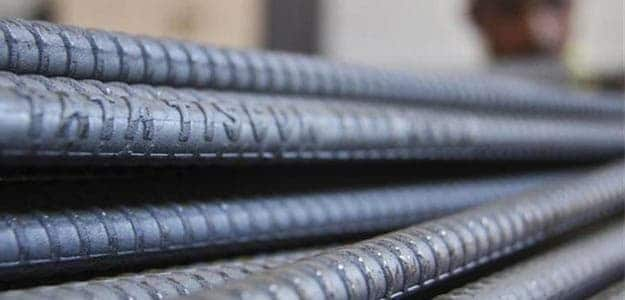
Tata Steel said on Tuesday it will cut about 400 jobs at its Port Talbot plant in South Wales, around 10 per cent of the workforce, as it looks to reduce costs in order to compete more strongly in the EU's manufacturing industry.
Dealing a blow to the UK government's pledge to support British manufacturing jobs and diversify the economic base, Tata Steel Europe's chief executive, Karl Koehler, said in a statement the measures were "vital if we are to build a competitive future for our Strip Products business in the UK".
Mr Koehler added that steel demand and prices were likely to be under pressure for some years.
Producing steel profitably in the UK has become increasingly difficult given shrinking demand plus higher energy, labour and logistics costs compared even with mainland Europe - itself struggling to compete with Asia and the United States.
Under the company's new management, Tata Steel has intensified cost cuts and focused on high-margin products to improve performance in Europe, its main market, where demand is down some 25 per cent since the financial crisis.
Last year, Tata, Europe's number two steel producer, said it could cut around 500 jobs at sites in northern England, primarily Scunthorpe, under plans to restructure its construction and engineering supplies business.
"We will be seeking an urgent meeting with the company to discuss our concerns about manning levels and reiterate our opposition to any compulsory redundancies," Roy Rickhuss, chair of the UK trade unions' steel committee, said in a statement.
European steel prices are currently at around 4-year lows and prospects are dim, given a global surplus fed in large part by top producer China, where steel exports have risen 41.5 per cent in the year to date.
In his annual budget, UK Finance Minister George Osborne offered to help UK manufacturing by extending a compensation scheme that offsets some of the industry's carbon costs out to 2020, and by freezing the country's carbon price floor.
Despite these measures, UK energy-intensive industries such as steel pay about 30 per cent more for electricity than their main EU competitors and are subject to some of the highest carbon taxes in Europe.
Indian-owned Tata Steel became involved in Europe through its $13 billion acquisition of Britain's Corus in 2007.
Copyright @ Thomson Reuters 2014

-
Navigating Energy Crossroads: S Jaishankar's Call For Diversified Supply Chains At G20 Ministerial Meeting

As geopolitical fault lines continue to test maritime trade routes and commodity flows, Jaishankar's message remains pertinent: true economic resilience requires open markets, protected transit lines, and a genuine commitment to multilateral cooperation rather than coercion.
-
Indians Are Travelling, But Not Every Journey Is A Holiday | The Week In Whys
Pilgrims, patients and working women are the real travellers, and the system hasn't quite caught up with them.
-
Getting To Work Costs Women More | The Reason Why
It is not just about women paying more than men. It is about women paying much more in cities than in villages.
-
AI Bias In Investing Cannot Be Eliminated, But It Can Be Governed
Framing is a particularly important example as identical financial information presented in terms of gains rather than losses can lead an LLM to reach a different assessment.
-
Joining The Dots | Dark Skies, Steady Diya: Why Hope Holds This Diwali
With war, a weak rupee and foreign outflows weighing on sentiment, policymakers at the NDTV World Summit and market veterans at NDTV Profit Ignite: Diwali Edition offered the same advice: stay invested and filter out the noise.
-
The Curious Case of Equitas Small Finance Bank And A CEO Who Quit For Stock
PN Vasudevan believes persistent investor concerns over a perceived conflict of interest had become a governance overhang on Equitas Small Finance Bank's stock, even as the lender improved profitability and asset quality.
-
Talking Points This Week: AI Cash Burn, A Tiger Comeback And An India That Still Finds Its Own Path
India is not immune to higher oil or tighter global liquidity, yet its earnings base is broader, its domestic policy levers are still available.
-
Foreign Investors Own Half Of HDFC Bank and ICICI Bank. An LTCG Cut Could Matter Most Here
Foreign portfolio investors have US$115 billion parked in HDFC Bank, ICICI Bank. If the government cuts long-term capital gains tax, Jefferies says returning foreign money could land here first.
-
'Never Seen This Level Of Negativity': Sandeep Tandon Says The Next Rally May Be Closer Than You Think
Veteran investor Sandeep Tandon says foreign selling is easing, large-caps are due a comeback and mid-caps are crowded, while he turns positive on gold, power and pharma this Diwali.










