Tata Power Plans To More Than Double Its Profit By 2030, CEO Praveer Sinha Says
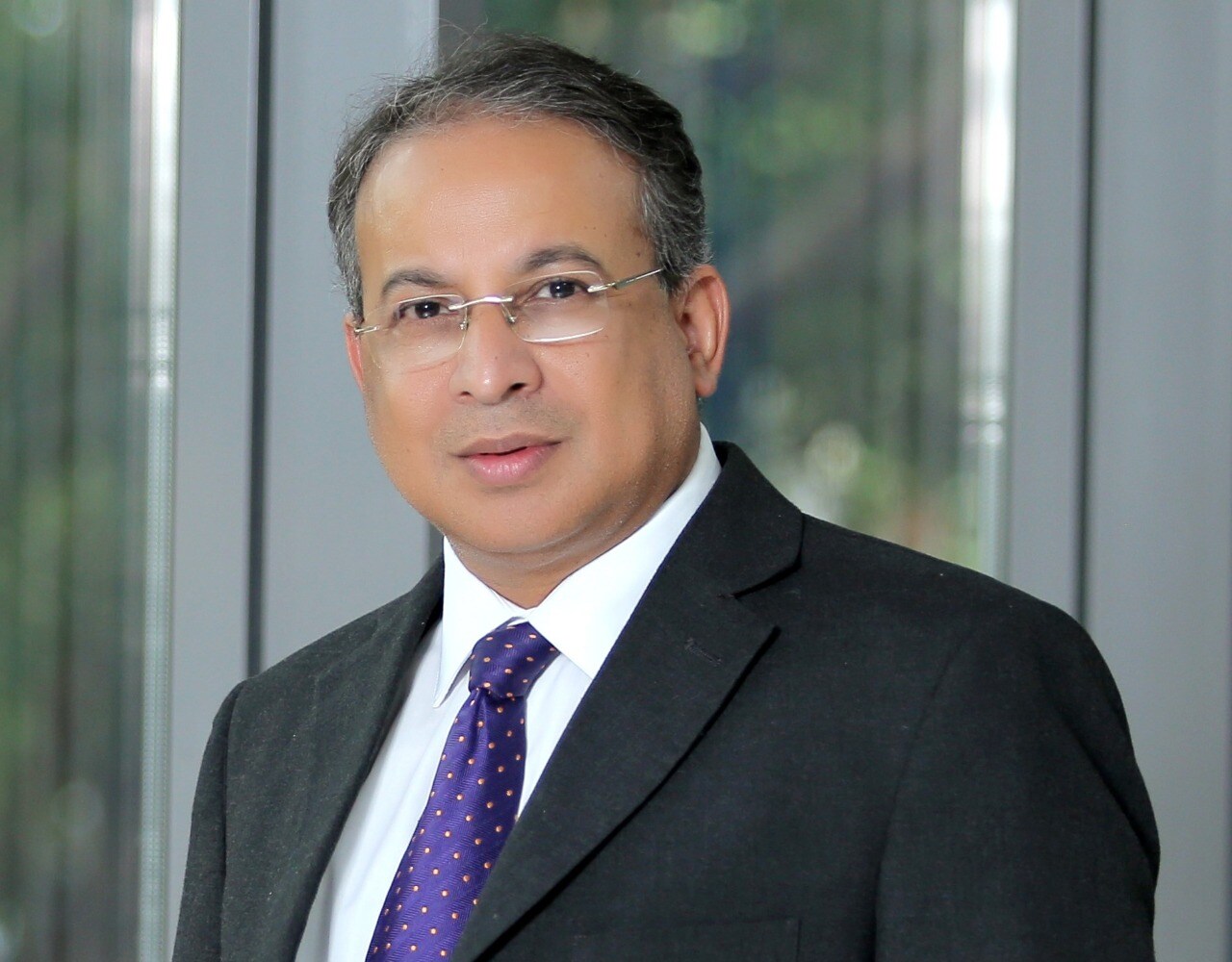
Tata Power Ltd. has set itself ambitious financial goals for the future, so much so that it plans to double its profit by the end of the decade.
Over the same time, the Tata Group firm aims to grow its revenue to Rs 1 lakh crore annually, while doubling its operational profit to Rs 30,000 crore from Rs 14,000-15,000 crore at present, Chief Executive Officer Praveer Sinha told reporters at the company's 4.3 GW solar cell and module manufacturing plant in Tirunelveli, Tamil Nadu, on Dec. 6.
"We are looking at a profit after tax of over Rs 10,000 crore by 2030 from a profit of Rs 4,200 crore last year," Sinha said.
To achieve that kind of growth requires spending.
Capex Plans
Tata Power has increased its capital expenditure outlay to Rs 21,000 crore in FY25 from Rs 12,000 crore in FY24. Going forward, that will rise even further to Rs 25,000 crore annually.
According to the company's latest presentation, between FY25 and FY30, Tata Power will spend almost Rs 1.46 lakh crore as capex across segments including renewables, distribution, transmission, pumped storage and hydro projects as well as traditional generation.
Focus On Renewables
Over the last few years, Tata Power's focus on renewable energy has increased substantially. As per the company, 51% of the company's Rs 30,000 crore Ebitda goal by FY30 will be from the renewables segment. The segment will also account for 50% of the Rs 10,000 crore net profit target.
Furthermore, the company will also spend more than Rs 87,000 crore as renewable energy capex over FY25-30.

-
High US Salaries, No Green Card Certainty: The Financial Calculation Facing Indian H-1B Families

The suspension of PERM processing at eight technology employers does not cancel existing H-1B visas. What it does is force a question many Indian families have been avoiding: is the US salary worth tying your career and family plans to one employer?
-
Swiggy vs Eternal: Food Delivery's Two Rivals Are No Longer In The Same Race
Eternal is building a private AI assistant, dark.ai. Swiggy is still working out how to make Instamart pay, with an operating loss of Rs 895 crore in the July-September quarter while Blinkit stayed profitable.
-
Where You Live Shapes How You Get To Work | The Reason Why
Two-wheelers are the most popular way to get to work in India, accounting for nearly 43% of workplace commutes.
-
Unhedged Position: Can India See An Indonesia-Style Time Correction?
The Nifty is trading below levels it first clocked in 2024. Is there, then, as I have suggested in the headline, potential that the current time correction drags on painfully for the next three-five, even ten years?
-
Navigating Friction And Energy Realities: An Analysis Of Marco Rubio's October Visit To India
Occurring at a critical juncture marked by stalled trade negotiations and escalating geopolitical pressures over global energy supplies, the visit offers a profound window into modern US-India relations.
-
India Exports Capital. Why Not Export Trusteeship?
The big question, then, is whether India can build an institution that global borrowers, investors, banks, and lawyers can trust, even without an Indian connection.
-
France's Economy & Politics Are In Crisis | The Reason Why
Let's look at how the French economy and politics evolved under Nicolas Sarkozy, Franois Hollande and Emmanuel Macron.
-
You May Inherit The Business. You Must Earn Its Credibility.
Succession tests the founder's ability to share authority as much as it tests the next generation's readiness to assume it.
-
Signing Deals Is One Thing; Making Them Work Is Another | The Week In Whys
Sometimes, things don't turn out as planned. Indian companies have lost some bids to rivals, some projects won't produce until 2030.
-
FOMC Wall, PERM Suspension, Hospital Stocks | Talking Points This Week
A PERM suspension would directly affect green-card sponsorship rather than H-1B visas, so the near-term earnings impact could remain relatively limited. The key question is whether this marks a new phase in US scrutiny of Indian IT.









