Tata Mundra Plant: U.S. Seeks Reversal Of Lower Court Order On World Bank Arm’s Immunity
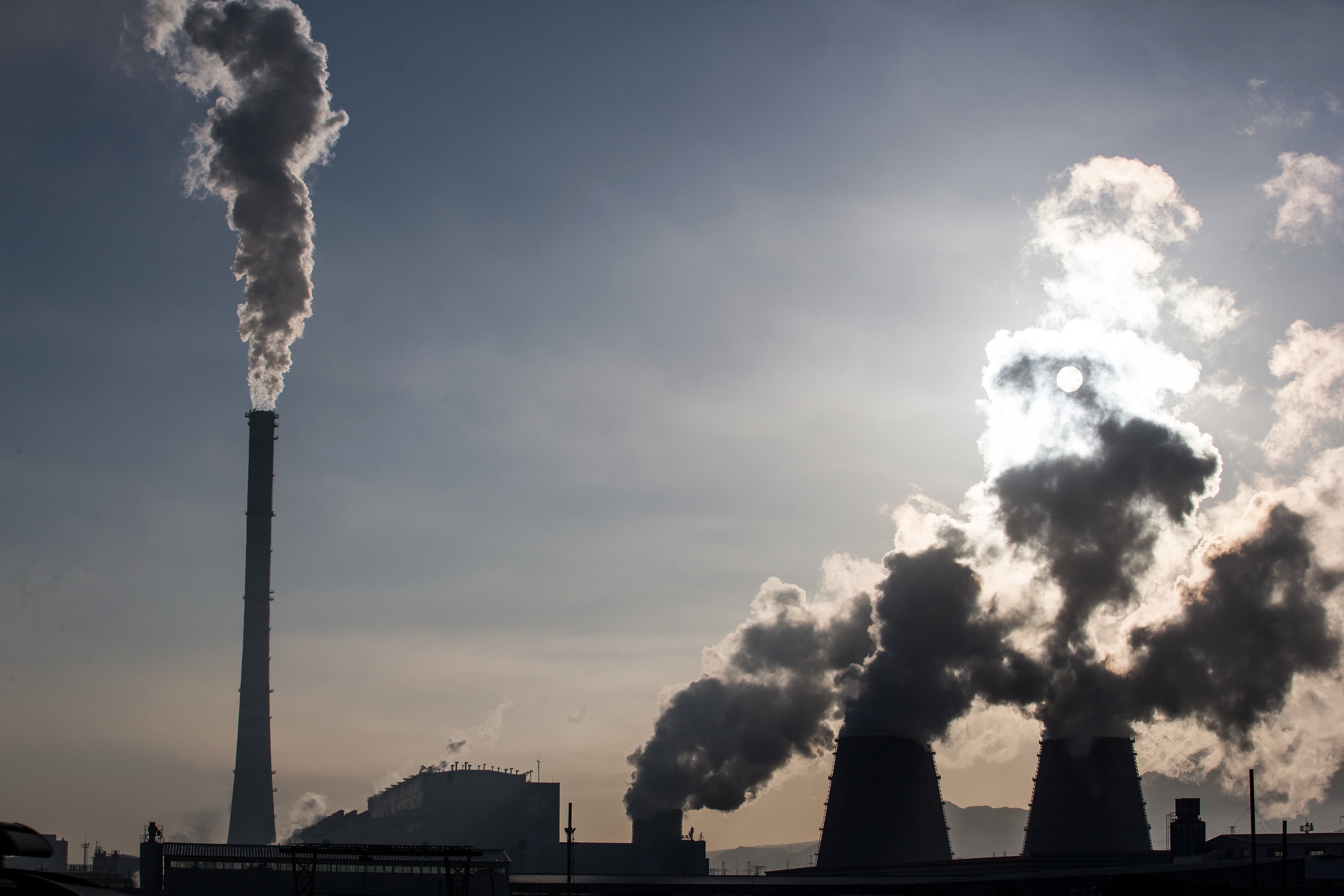
The Donald Trump administration has urged the Supreme Court to reverse a lower court order on the Tata Mundra Power Plant in Gujarat funded by a financial wing of the World Bank, arguing that the U.S.-based International Finance Corporation enjoys absolute immunity.
In a brief filed before the Supreme Court, the Trump administration argued that all international organisations based out of the U.S. should only be entitled to the same “restrictive” immunity that foreign governments have, and like foreign governments, should be subject to suit for injuries arising out of their commercial activities.
In the brief filed before the apex court on Tuesday, it urged the Supreme Court to reverse the judgement by a lower court that International Finance Corporation, a financial wing of the World Bank, enjoys absolute immunity.
By doing so, the administration supports the lawsuit filed against the IFC by Budha Ismail and several other fishermen from coastal Gujarat alleging that coal-fired Tata Mundra Power Plant has resulted in widespread environmental damage.
A lower court had earlier ruled against the lawsuit arguing that the IFC enjoys absolute immunity.
EarthRights International, which has taken up the case on behalf of Ismail and other Indian fisherman, then approached the Supreme Court early this year.
The apex court granted the petition in May this year. It is slated to come up for hearing in the next session beginning October. EarthRights International said the brief submitted by the U.S. government before the Supreme Court supported Ismail and other fishermen.
It claimed the IFC had a role in funding a destructive power plant project in Gujarat that had devastated their community and the local environment. The IFC has not denied that the harms have occurred, but has argued that it is immune and cannot be held liable, no matter how illegal its conduct, and no matter how much harm it causes.
This is for the first time that the Supreme Court will consider international organisation immunity. “We are pleased the government has weighed in against absolute immunity,” said Rick Herz of EarthRights International, one of the attorneys who represents the plaintiffs in the case.
“We are optimistic the court will use this opportunity to clarify that the law must be read to mean what it says: international organisations are entitled only to the same immunity as foreign governments,” Herz said.
The plaintiffs filed their opening brief last week explaining why the DC Circuit's holding is wrong and the IFC is not immune from suits for commercial activity. The U.S. government's brief filed this week adds substantial weight to that argument, emphasising the clear congressional intent to subject international organisations like the IFC to the same immunity rules as foreign governments, and the consistent position of the executive branch, which has for decades recognised only restrictive immunity for international organisations.
A number of other amicus curiae briefs were also filed this week, including briefs by a bipartisan group of a Members of Congress, International Law Scholars, and environmental, human rights, and development-focused advocacy organisations that have experience working with the IFC.
All of them have argued that the DC Circuit's absolute immunity holding is wrong and should be reversed. The congressional brief explains “[t]here is no reason that international organisations should be immune to suit in cases where the states that created them are not”, as that would permit states “to evade legal accountability merely by acting through international organisations”.
The brief from advocacy organisations refutes the IFC's suggestion that restrictive immunity would “open the floodgates”. It argues that allowing suit in cases like this one, where even the IFC's own ombudsman has condemned its conduct, would increase the accountability of these institutions and help restore the IFC's credibility as a poverty-fighting institution, which has been damaged by the public perception that it “consider[s] itself to be above the law”.
In addition to EarthRights International, the plaintiffs are also represented before the Supreme Court by the Stanford Law School Supreme Court Clinic and O'Melveny and Meyers.

-
A New Samvat Wishlist: Inclusive Prosperity And Human Development

India has strengthened its economic foundations through infrastructure, digital access and enterprise. Its next growth chapter must deepen productivity, create better livelihoods and widen participation in prosperity.
-
Love, Sex Aur Dhokha: The Audacious Plot To Spy On Jensen Huang
A Taipei dinner, a Singapore chip buyer and a suspected Chinese asset: inside the alleged spy operation that got close to NVIDIA's Jensen Huang.
-
Ten Things I Learnt This Samvat
Patience can be a trap. Cheap stocks can stay cheap. Leverage can wipe you out. What did Samvat 2082 teach us? Niraj Shah writes on 10 lessons from the year gone by.
-
Talking Points This Week: Tech Nerves, FII Buying, And A Faraway Banking Shock
The global markets are not shining this Diwali. The exception in the large markets is, India.
-
Midterm Rally Lasted A Day. The Hard Reality Of A Divided US May Last Two Years | Opinion
Between a contested AI boom, a debt ceiling that arrives in 2027 and a president with every incentive to act alone, the next two years may prove more volatile than the first day's rally suggests.
-
Blue Wave Will Derail the AI Trade but Won't Dismantle the AI Era | Unhedged Position
The Democrats' sweep of the US Congress will see politics collide with economic forces both over the long and short term.
-
It's Time To Take The GST Council's Bet On Trust Global
Payment records can prove India's services exports, and clear, proportionate rules can bring foreign digital sellers into the tax net.
-
Opinion | India at 38: From Innovation Overperformer to Innovation Powerhouse
India now has 453 VC-backed deep science startups, 18 of them late-stage, after 117 percent growth since 2020. Laurus Labs, at USD 9.3 billion, is the most valuable deep science company in any middle-income economy outside China.
-
Navigating Energy Crossroads: S Jaishankar's Call For Diversified Supply Chains At G20 Ministerial Meeting
As geopolitical fault lines continue to test maritime trade routes and commodity flows, Jaishankar's message remains pertinent: true economic resilience requires open markets, protected transit lines, and a genuine commitment to multilateral cooperation rather than coercion.









