Takeda To Manufacture 50% Of Its Dengue Vaccines In India
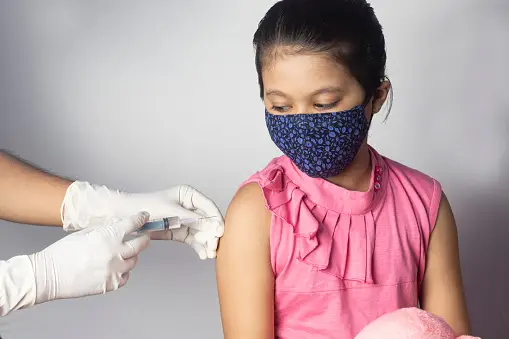
Japanese drugmaker Takeda Pharmaceutical Co. announced a strategic partnership with Indian vaccine and biologics company Biological E. Ltd. to manufacture its dengue vaccine, TAK-003.
The Indian partner is expected to "scale up its production capacity to potentially reach 50 million doses annually," the company said in a Feb. 27 release.
This is further expected to accelerate Takeda's efforts to manufacture 100 million doses annually within the decade, indicating that 50% of its planned manufacturing would be from the facility based out of Hyderabad, India.
This announcement comes after the recent recommendations made by the World Health Organisation's Strategic Advisory Group of Experts (SAGE) on Immunisation, which recommended Takeda's dengue vaccine. It is in line with the WHO's disease-specific target of achieving a case-fatality rate of zero for dengue by 2030.
"Takeda's long-term goal for our dengue programme has been to make TAK-003 broadly available to those at risk who may benefit from immunisation," Gary Dubin, president of the Global Vaccine Business Unit at Takeda, said. "Together, Takeda and Biological E. will help combat dengue on a global scale by significantly increasing manufacturing capacity for multi-dose vials of TAK-003 to drive sustainable access to the vaccine in more endemic countries."
Phase-3 trials indicated that the vaccine showed continued protection against dengue fever through four and a half years (54 months) after vaccination.
A study quoted in the release indicated that 1.3 billion people live in dengue-endemic areas in India and Southeast Asia. The vaccine is currently approved in more than 30 countries, including the European Union, the United Kingdom, Brazil, Argentina, Indonesia, Thailand and Malaysia.
In an exclusive conversation with NDTV Profit, the management said that they are engaged in a dialogue with Indian authorities to allow the launch of the vaccine in India and may start clinical trials soon. No definitive information on launch timelines and pricing was divulged for the Indian market. The vaccine is suitable for both children and adults, the management said.

-
Love, Sex Aur Dhokha: The Audacious Plot To Spy On Jensen Huang

A Taipei dinner, a Singapore chip buyer and a suspected Chinese asset: inside the alleged spy operation that got close to NVIDIA's Jensen Huang.
-
Ten Things I Learnt This Samvat
Patience can be a trap. Cheap stocks can stay cheap. Leverage can wipe you out. What did Samvat 2082 teach us? Niraj Shah writes on 10 lessons from the year gone by.
-
Talking Points This Week: Tech Nerves, FII Buying, And A Faraway Banking Shock
The global markets are not shining this Diwali. The exception in the large markets is, India.
-
Midterm Rally Lasted A Day. The Hard Reality Of A Divided US May Last Two Years | Opinion
Between a contested AI boom, a debt ceiling that arrives in 2027 and a president with every incentive to act alone, the next two years may prove more volatile than the first day's rally suggests.
-
Blue Wave Will Derail the AI Trade but Won't Dismantle the AI Era | Unhedged Position
The Democrats' sweep of the US Congress will see politics collide with economic forces both over the long and short term.
-
It's Time To Take The GST Council's Bet On Trust Global
Payment records can prove India's services exports, and clear, proportionate rules can bring foreign digital sellers into the tax net.
-
Opinion | India at 38: From Innovation Overperformer to Innovation Powerhouse
India now has 453 VC-backed deep science startups, 18 of them late-stage, after 117 percent growth since 2020. Laurus Labs, at USD 9.3 billion, is the most valuable deep science company in any middle-income economy outside China.
-
Navigating Energy Crossroads: S Jaishankar's Call For Diversified Supply Chains At G20 Ministerial Meeting
As geopolitical fault lines continue to test maritime trade routes and commodity flows, Jaishankar's message remains pertinent: true economic resilience requires open markets, protected transit lines, and a genuine commitment to multilateral cooperation rather than coercion.
-
Indians Are Travelling, But Not Every Journey Is A Holiday | The Week In Whys
Pilgrims, patients and working women are the real travellers, and the system hasn't quite caught up with them.









