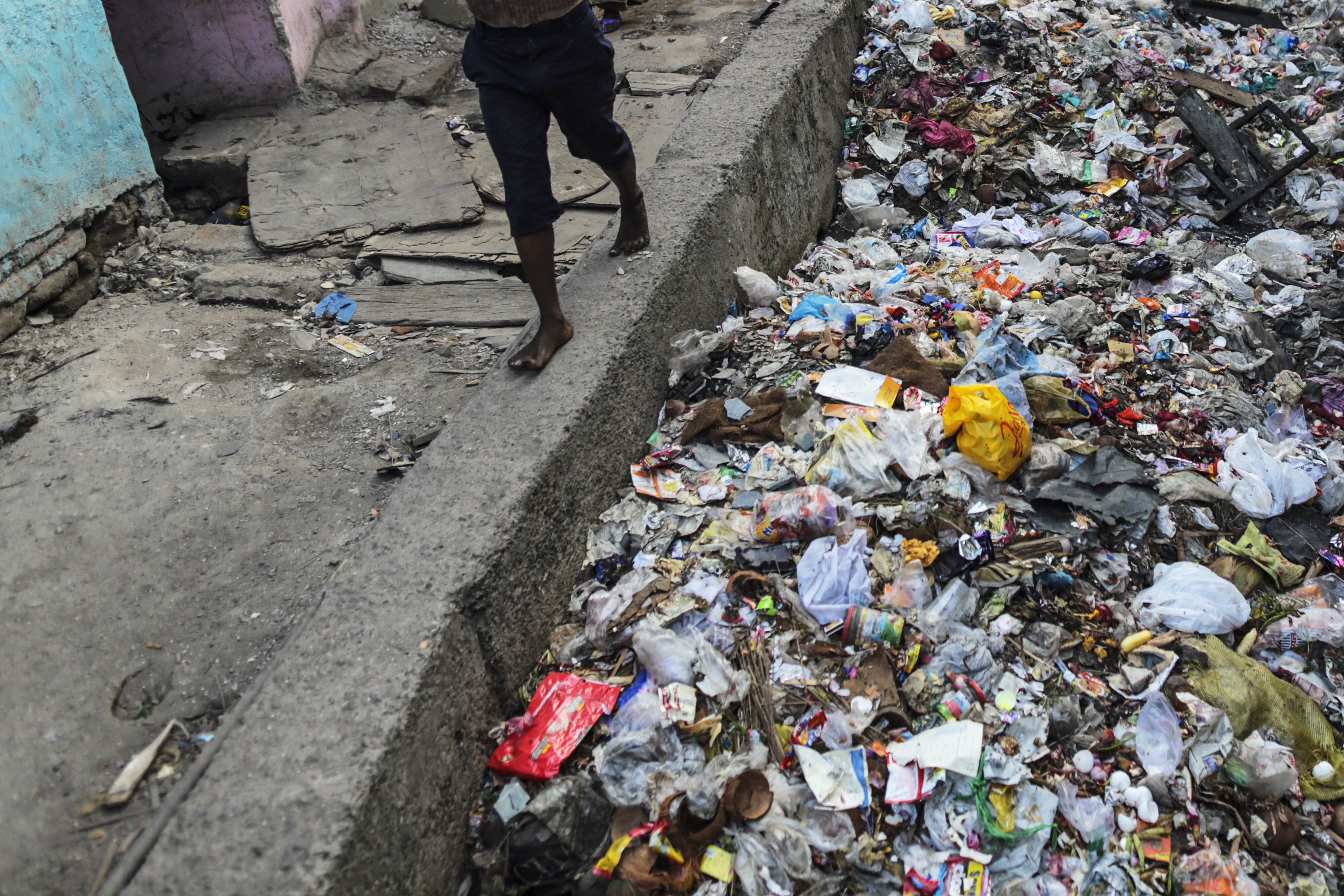
Mumbai fell to the 29th spot in a list of Indian cities ranked on the basis of cleanliness, according to a survey conducted by the government as part of its flagship Swachh Bharat mission. The city was ranked 10th on the Swachh Survekshan Survey last year.
One possible explanation for the fall from grace could be that the number of cities covered by the survey increased to 500 from 73 last year. But compare Mumbai's rank to that of its satellite city, Navi Mumbai – placed eighth on the list – and its clear that the Navi Mumbai Municipal Corporation is doing something right.
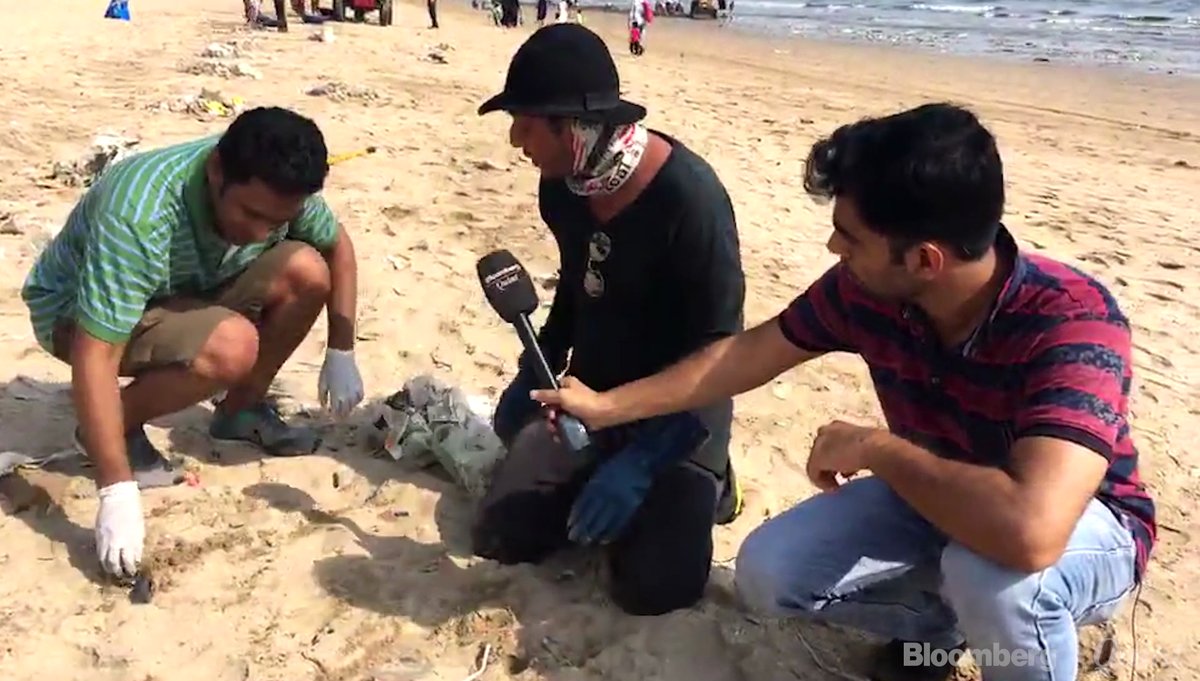
Mumbai-based lawyer Afroz Shah is spearheading a campaign to clean up one of the city's dirtiest beaches – Versova beach. According to Shah, while the government's efforts through its Swachh Bharat mission are commendable, the real change must come from citizens.
Also Read: Indore Named India's Cleanest City; Gonda Dirtiest, Shows Swachh Bharat Survey
Shah, along with the campaign's volunteers, have cleared approximately 5,000 tonnes of garbage from the three-kilometre stretch of Versova beach, reportedly the largest beach clean up effort in the world. His work has been recognised by the United Nations, which has bestowed on him its top environmental honour.
When asked what inspired him to take up the cudgels himself, Shah said, “What do you do? Get a chief justice to pass an order, get the municipal commissioner into court and file affidavit after affidavit? I took the hard way out, which is the correct way to my mind. This is my ocean, this is my country, this is my planet, this is my environment. And it's my duty to protect it.”
The city's municipal corporation has begun pitching in, providing labour and heavy machinery to aid Shah, but a large part of the work is still done by volunteers and Shah himself.
But the government is not solely responsible for cleanliness. Shah, quoting the Indian Constitution, said it is the fundamental duty and obligation of every citizen to care for the environment. Indeed, Article 51A (g) of the Constitution states, “It shall be the duty of every citizen of India to protect and improve the natural environment including forests, lakes, rivers and wildlife and to have compassion for living creatures.”
It is this article that Afroz quoted to an inquisitive and somewhat combative resident of the area, who stopped to ask him why he was doing the municipality's work for it.
While it is not possible for every citizen to go out and clean the city's beaches and canals, Afroz believes they can all play their part by at least segregating their waste at home. At the very least, all plastics should be separated from wet waste, washed and then given to the local kabaadi wala (garbage collector), he said.
Essential Business Intelligence, Sharp Market Insights, Practical Personal Finance Advice, Daily Fuel, Gold and Silver Prices and Latest Stories — On NDTV Profit.