Sustainability In Focus: Why India Needs To Diversify Clean Energy Sources Beyond Solar Energy
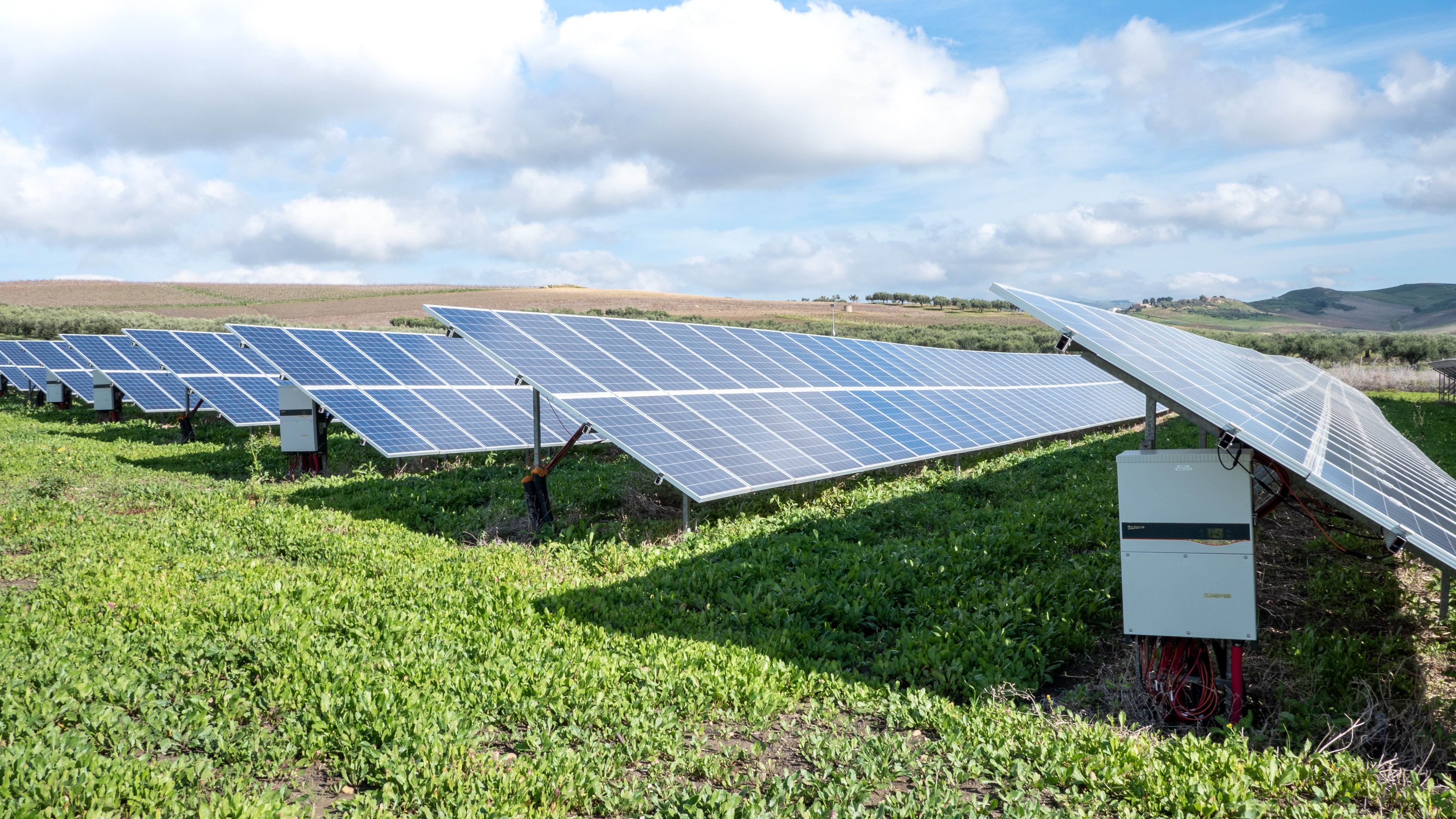
India's energy landscape has seen a remarkable transformation in recent years, with solar power emerging as a cornerstone of the country's efforts to reduce its dependence on fossil fuels. By 2024, India surpassed Japan to become the third-largest solar power generator globally, a milestone achieved through sustained investments in renewable energy. However, as the country continues to ramp up its solar energy capacity, it's becoming increasingly clear that solar power alone cannot meet India's growing energy needs in the long run.
A more diversified clean energy mix is essential to ensure a smooth and sustainable transition away from traditional energy sources.
India's Solar Energy Surge
India's commitment to solar energy is evident in the country's significant investment over the last decade. According to New and Renewable Energy Minister Pralhad Joshi, India reached a major milestone by exceeding 100 gigawatts in national solar power capacity. By November 2024, solar power contributed to nearly half of the country's renewable energy generation capacity, amounting to 92.12 GW out of a total 203.18 GW. This growth has been supported by government policies that incentivise the production and consumption of clean energy. In 2024, solar accounted for 10% of the country's overall energy, as India generated 22% of its energy from clean sources, including wind power and hydroelectricity.
The Union Budget of 2025 further solidified the government's commitment to solar energy with the continuation of support for solar equipment manufacturing and subsidies for rooftop solar projects. Yet, as impressive as these achievements are, solar energy alone faces limitations that could hinder the country's progress towards energy security.
Challenges Of Solar Power Development
Despite the rapid growth of solar energy in India, several key challenges need to be addressed for it to become a reliable and sustainable energy source.
One of the most significant hurdles is the intermittency of solar power. Solar energy generation is highly dependent on sunlight, which varies throughout the day and across seasons. This means solar plants can only generate power for about 30% of the day, as per PV module manufacturer Maysun Solar, making energy storage and backup solutions critical to meet the nation's energy demands. The cost of maintaining and upgrading energy storage systems is a growing concern, and as solar installations continue to grow, India must invest heavily in storage solutions to ensure grid stability.
Another challenge is the environmental impact of solar panel waste. The lifespan of solar panels is typically around 15 years, and as installations surge, the volume of waste generated will increase exponentially. Proper disposal and recycling mechanisms will be crucial in mitigating the environmental burden.
To address these challenges, a diversified energy mix is essential. The integration of multiple renewable energy sources, such as wind, hydro, and nuclear power, can ensure a more reliable and stable energy grid. While solar energy will remain a key player, relying solely on it could lead to grid instability.
Nuclear Power: A Viable Solution
In recent years, nuclear power has gained increasing attention as a potential solution to India's energy needs. The country's nuclear power generation capacity has grown significantly over the last decade, nearly doubling from 4,780 MW in 2014 to 8,180 MW in 2024, per official data. The Department of Atomic Energy has set a target of 13.08 GWe by 2029, which would further bolster the country's energy security.
Nuclear power offers a distinct advantage over solar energy: it can run continuously, producing energy year-round without being affected by weather conditions. Solar plants, by contrast, can only operate when there is ample amount of sunshine. In this regard, nuclear energy provides a steady, reliable supply of power, capable of running for 24 hours a day, every day of the year.
The Union Budget of 2024 placed a strong emphasis on the development of small modular reactors, inviting private players to invest in the technology. This investment is critical, as SMRs offer a more flexible, scalable, and cost-effective solution for nuclear power generation. In the 2025 Union Budget, the government allocated Rs 20,000 crore for research and development of SMRs, aiming for at least five indigenously designed operational reactors by 2033, with a target of 100 GW nuclear capacity by 2047.
As India seeks to meet its ambitious target of 500 GW from non-fossil sources by 2030, the country's energy security will increasingly depend on a mix of solar, wind, hydro, and nuclear power. A balanced energy mix will not only ensure reliable power supply but also protect India from the volatility of global energy markets.

-
Navigating Energy Crossroads: S Jaishankar's Call For Diversified Supply Chains At G20 Ministerial Meeting

As geopolitical fault lines continue to test maritime trade routes and commodity flows, Jaishankar's message remains pertinent: true economic resilience requires open markets, protected transit lines, and a genuine commitment to multilateral cooperation rather than coercion.
-
Indians Are Travelling, But Not Every Journey Is A Holiday | The Week In Whys
Pilgrims, patients and working women are the real travellers, and the system hasn't quite caught up with them.
-
Getting To Work Costs Women More | The Reason Why
It is not just about women paying more than men. It is about women paying much more in cities than in villages.
-
AI Bias In Investing Cannot Be Eliminated, But It Can Be Governed
Framing is a particularly important example as identical financial information presented in terms of gains rather than losses can lead an LLM to reach a different assessment.
-
Joining The Dots | Dark Skies, Steady Diya: Why Hope Holds This Diwali
With war, a weak rupee and foreign outflows weighing on sentiment, policymakers at the NDTV World Summit and market veterans at NDTV Profit Ignite: Diwali Edition offered the same advice: stay invested and filter out the noise.
-
The Curious Case of Equitas Small Finance Bank And A CEO Who Quit For Stock
PN Vasudevan believes persistent investor concerns over a perceived conflict of interest had become a governance overhang on Equitas Small Finance Bank's stock, even as the lender improved profitability and asset quality.
-
Talking Points This Week: AI Cash Burn, A Tiger Comeback And An India That Still Finds Its Own Path
India is not immune to higher oil or tighter global liquidity, yet its earnings base is broader, its domestic policy levers are still available.
-
Foreign Investors Own Half Of HDFC Bank and ICICI Bank. An LTCG Cut Could Matter Most Here
Foreign portfolio investors have US$115 billion parked in HDFC Bank, ICICI Bank. If the government cuts long-term capital gains tax, Jefferies says returning foreign money could land here first.
-
'Never Seen This Level Of Negativity': Sandeep Tandon Says The Next Rally May Be Closer Than You Think
Veteran investor Sandeep Tandon says foreign selling is easing, large-caps are due a comeback and mid-caps are crowded, while he turns positive on gold, power and pharma this Diwali.
-
Indians Stay With Family, Not In Hotels | The Reason Why
India still lacks enough clean, reliable and affordable hotels for budget-conscious travellers.










