Supreme Court Rejects Plea To Stay Merger Of Three State-Owned Banks
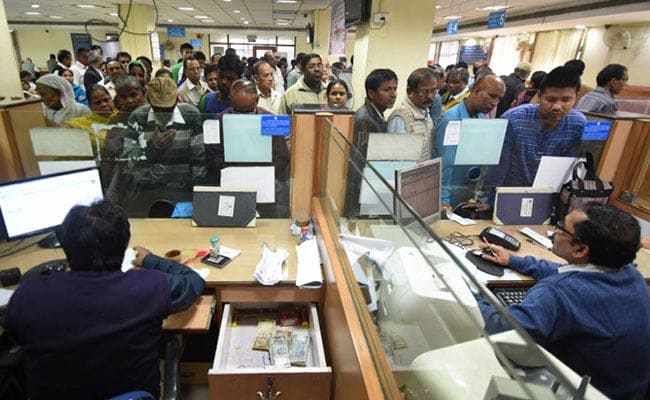
The Supreme Court on Thursday dismissed petitions seeking stay on the merger of three public sector banks -- Dena Bank, Vijaya Bank and Bank of Baroda. The merger is set to take effect on April 1.
Rejecting the plea by the staff and officers of two merging banks and their associations, the bench of Justice Rohinton Fali Nariman and Justice Vineet Saran in its order said: "No case for grant of stay."
Appearing for the petitioner staff and officers' associations, senior counsel Shyam Divan questioned the merger decision saying that it happened on the instruction of the government as all the decisions including swap ratio, fairness scrutiny, cabinet decision, impugned notification and the decision by the respective board of directors of the three PSU banks happened on January 2.
Referring to the statutory provisions mandating consultation with the Reserve Bank of India (RBI), Mr Divan asserted that consultation with the apex bank effectively meant its concurrence.
Mr Divan contended that the manner in which merger was pushed was "complete circumvention of the statutory scheme and safeguard". The merger, slated to take place on April 1, would adversely impact the staff and officers of two merging banks and would result in redundancy, he said.
Both senior counsel Mukul Rohatgi and Solicitor General Tushar Mehta said that the absence of workmen and officers' representation in the board of directors in no way impeded the process of merger.
If one post in the board of the merging banks remained vacant that would not invalidate the merger process, Mr Rohatgi told the court.
Mr Mehta said that the service conditions of the staff of the Dena Bank and the Vijaya Bank would continue to be the same and would not be altered.

-
A New Samvat Wishlist: Inclusive Prosperity And Human Development

India has strengthened its economic foundations through infrastructure, digital access and enterprise. Its next growth chapter must deepen productivity, create better livelihoods and widen participation in prosperity.
-
Love, Sex Aur Dhokha: The Audacious Plot To Spy On Jensen Huang
A Taipei dinner, a Singapore chip buyer and a suspected Chinese asset: inside the alleged spy operation that got close to NVIDIA's Jensen Huang.
-
Ten Things I Learnt This Samvat
Patience can be a trap. Cheap stocks can stay cheap. Leverage can wipe you out. What did Samvat 2082 teach us? Niraj Shah writes on 10 lessons from the year gone by.
-
Talking Points This Week: Tech Nerves, FII Buying, And A Faraway Banking Shock
The global markets are not shining this Diwali. The exception in the large markets is, India.
-
Midterm Rally Lasted A Day. The Hard Reality Of A Divided US May Last Two Years | Opinion
Between a contested AI boom, a debt ceiling that arrives in 2027 and a president with every incentive to act alone, the next two years may prove more volatile than the first day's rally suggests.
-
Blue Wave Will Derail the AI Trade but Won't Dismantle the AI Era | Unhedged Position
The Democrats' sweep of the US Congress will see politics collide with economic forces both over the long and short term.
-
It's Time To Take The GST Council's Bet On Trust Global
Payment records can prove India's services exports, and clear, proportionate rules can bring foreign digital sellers into the tax net.
-
Opinion | India at 38: From Innovation Overperformer to Innovation Powerhouse
India now has 453 VC-backed deep science startups, 18 of them late-stage, after 117 percent growth since 2020. Laurus Labs, at USD 9.3 billion, is the most valuable deep science company in any middle-income economy outside China.
-
Navigating Energy Crossroads: S Jaishankar's Call For Diversified Supply Chains At G20 Ministerial Meeting
As geopolitical fault lines continue to test maritime trade routes and commodity flows, Jaishankar's message remains pertinent: true economic resilience requires open markets, protected transit lines, and a genuine commitment to multilateral cooperation rather than coercion.









