Supply Chain Fractures Create Trade Credit Problems
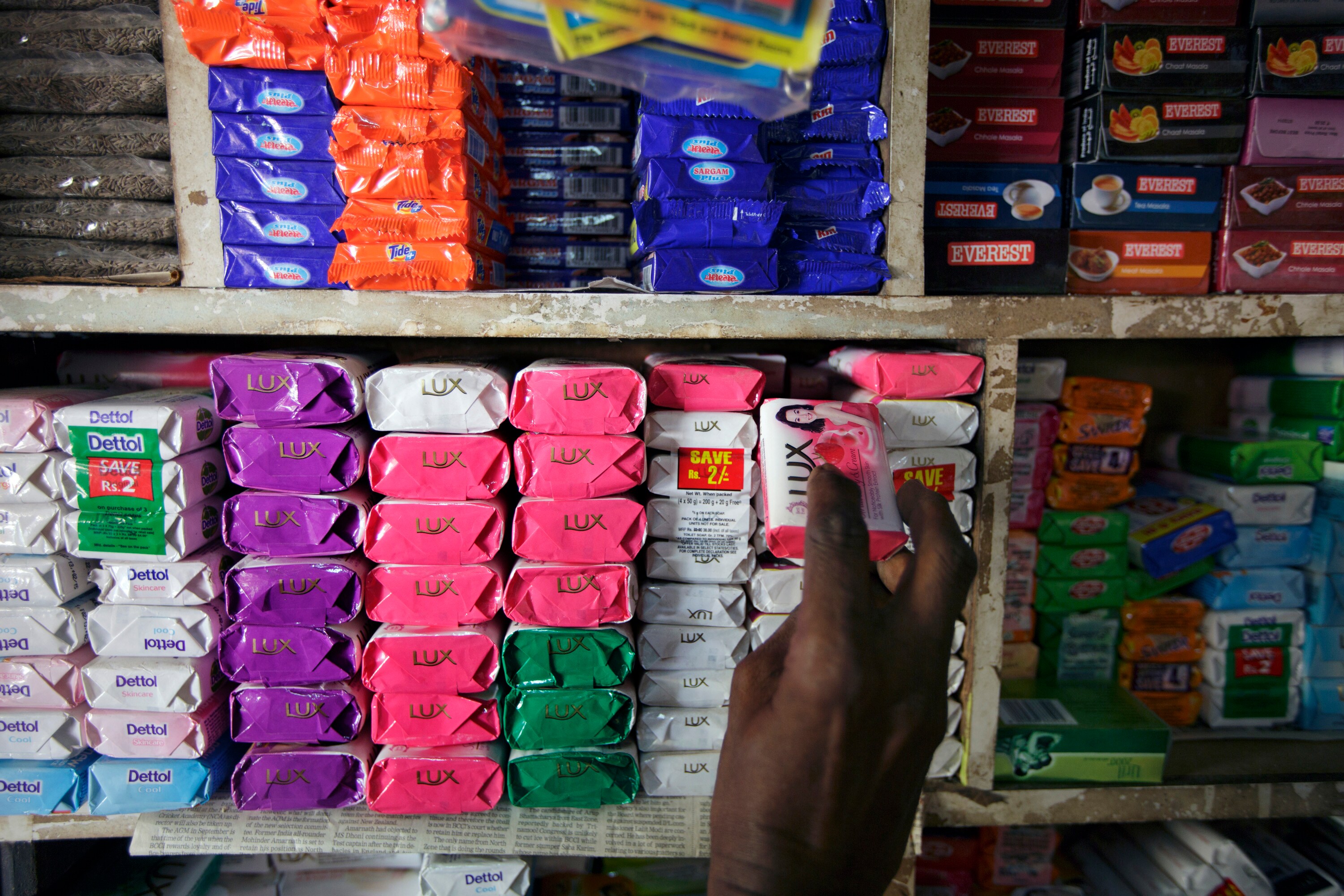
India's consumer goods supply chain is slowly recovering from the shock of a nationwide lockdown. But even as essential goods' factories up production and more trucks return to the road, one essential link is holding back a more robust restocking: supply chain credit.
One reason is shorter shopping lists. A couple of other factors are also responsible. The availability of fewer goods in some cases. Conservation of cash in others. Also, when consumers visit stores they are often tempted into buying more than what they need. That has changed. During the lockdown, most people have limited their purchases to essential goods.
Another reason is cutback in distributor credit. Ordinarily, some, not all, consumer goods companies extend stock on credit to distributors and they in turn do the same to retailers. And while some parts of the payment supply chain have been digitised, transactions still happen in cash. For instance, when the distributor sends his sales staff to the retailer to take restocking orders, the salesperson also settles previous dues. This gives the retailer a week or two between delivery of goods and payment time. Not anymore.
Distributors that BloombergQuint spoke to said sales staff have either returned to their hometowns or simply can't visit the stores due to the lockdown. Instead, retailers have had to send their staff to warehouses to collect goods and pay upfront.
Nielsen India stated in a recent report that sales force visits to retailers for replenishment were down by 80 percent, and 65 percent of grocers had been sourcing goods from retailers at higher rates.
Retailers that BloombergQuint spoke to confirmed this. They said they have been picking up stock from distributors only after making an upfront payment. Lower sales and lack of credit have forced several retailers, especially the smaller kirana stores, to stock fewer SKUs or goods.
Some consumer goods companies are stepping in to fill these gaps in trade finance. For instance, Hindustan Unilever Ltd. ordinarily does not sell goods on credit, but has done so in this emergent period.
“We're also protecting the interest of our distributors and partner, with selective and targeted flexibility in managing credit terms and judiciously extending credit,” Srinivas Phatak, chief financial officer at HUL, told investors after the fourth-quarter earnings.
Marico Ltd. is also extending credit selectively, it told investors in a conference call after the January-March earnings.
Dabur India Ltd. is offering seven-day credit, a distributor told BloombergQuint. The company didn't respond to queries.
For others, such as a leading biscuit manufacturer, a surge in demand even as factories run at half capacity has meant that distributors themselves are blocking orders by paying upfront, according to a company executive who preferred to remain unnamed.
FMCG firms also trying to ensure that distributors are able to deliver goods to retailers. HUL is encouraging retailers to place orders through its Humarashop and Shikar apps, and also making sure that deliveries are managed during the lockdown, Phatak told investors.
Mohit Malhotra, chief executive officer at Dabur, said in a statement to BloombergQuint that the company has tied up with online delivery service providers, besides establishing direct contact with retailers.
Marico, the maker of Parachute coconut oil, introduced a tele-servicing service app for retailers to place orders. It also partnered with Delhivery, Shadowfax, Lalamove and Zoomcar to ensure products are delivered from factories to distributors.
The app was rolled out within 48-72 hours of distributors and retailers facing issues, said Sanjay Mishra, chief operating officer, India sales and Bangladesh business at Marico. That not only resolved problems at different levels but also helped multiple distributors across regions to restart their business, he said.

-
Ten Things I Learnt This Samvat

Patience can be a trap. Cheap stocks can stay cheap. Leverage can wipe you out. What did Samvat 2082 teach us? Niraj Shah writes on 10 lessons from the year gone by.
-
Talking Points This Week: Tech Nerves, FII Buying, And A Faraway Banking Shock
The global markets are not shining this Diwali. The exception in the large markets is, India.
-
Midterm Rally Lasted A Day. The Hard Reality Of A Divided US May Last Two Years | Opinion
Between a contested AI boom, a debt ceiling that arrives in 2027 and a president with every incentive to act alone, the next two years may prove more volatile than the first day's rally suggests.
-
Blue Wave Will Derail the AI Trade but Won't Dismantle the AI Era | Unhedged Position
The Democrats' sweep of the US Congress will see politics collide with economic forces both over the long and short term.
-
It's Time To Take The GST Council's Bet On Trust Global
Payment records can prove India's services exports, and clear, proportionate rules can bring foreign digital sellers into the tax net.
-
Opinion | India at 38: From Innovation Overperformer to Innovation Powerhouse
India now has 453 VC-backed deep science startups, 18 of them late-stage, after 117 percent growth since 2020. Laurus Labs, at USD 9.3 billion, is the most valuable deep science company in any middle-income economy outside China.
-
Navigating Energy Crossroads: S Jaishankar's Call For Diversified Supply Chains At G20 Ministerial Meeting
As geopolitical fault lines continue to test maritime trade routes and commodity flows, Jaishankar's message remains pertinent: true economic resilience requires open markets, protected transit lines, and a genuine commitment to multilateral cooperation rather than coercion.
-
Indians Are Travelling, But Not Every Journey Is A Holiday | The Week In Whys
Pilgrims, patients and working women are the real travellers, and the system hasn't quite caught up with them.
-
Getting To Work Costs Women More | The Reason Why
It is not just about women paying more than men. It is about women paying much more in cities than in villages.









