Sensex, Nifty Plunge Sharply, Reversing A Two-Month Bull Rally
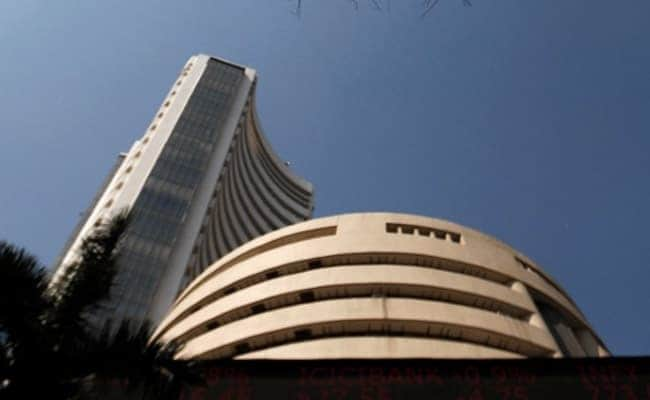
Indian equity benchmarks started September on a weak note, plunging significantly at the open tracking wider global economic gloom after data showed poor manufacturing performance in Asian factories.
The 30-share BSE Sensex index slumped 684.58 points, or 1.15 per cent, at 58,852.49, and the broader NSE Nifty-50 index fell 194.70 points, or 1.1 per cent, to 17,562.90.
From the Sensex pack, Infosys, Tata Consultancy Services, Reliance Industries, HDFC, Tech Mahindra, HDFC Bank, Hindustan Unilever, HCL Technologies and ICICI Bank were among the major laggards.
Bajaj Finserv, Bharti Airtel, Asian Paints and UltraTech Cement were among the gainers.
The Nifty IT index dropped 1.7 per cent. Additionally, the bank index fell 0.9 per cent.
Reuters reported that Indian stocks fell over 1 per cent early Thursday, pulled down by losses in information technology and banks, while a government move to raise taxes on fuel exports and domestic crude hammered energy stocks.
The government raised taxes on jet fuel exports to 9 rupees per liter from 2 rupees per liter, and also hiked the windfall tax for domestically produced crude oil from 13,000 rupees per tonne to 13,300 rupees per tonne, according to a notification, dragging the energy index down 1 per cent.
Shares of SpiceJet slumped as much as 14.7 per cent after its chief financial officer resigned, with the low-cost carrier posting a wider quarterly loss and facing increased scrutiny over mid-air incidents.
Data on Wednesday showed, India's economy expanded by a robust 13.5 per cent in the June quarter from a year ago, but below what was widely expected by the RBI, analysts and economists, with risks tilted more to the downside in the current fiscal year as higher interest rates cool economic activity.
But data on Thursday showed Asia's factory activity slumped in August as China's zero COVID curbs and cost pressures continued to hurt businesses, surveys showed on Thursday, darkening the outlook for the region's fragile economic recovery.
That weak data, and risk aversion pushed major Asian gauges down nearly 2 per cent, while US equity futures extended losses after the S&P 500 Index fell for the fourth straight day.
Oil prices fell to about $95 a barrel led lower by increased supply and worries that the global economy could slow further with renewed restrictions to curb COVID-19 in China.
On Wednesday, Indian stock, currency and money markets were closed on account of Ganesh Chaturthi, a day after soaring to mark several key milestones.
Equity benchmarks had surged over 2.5 per cent and ended higher for a second straight month on Tuesday, gaining over 3 per cent.
The Sensex jumped over 1,500 points, and the Nifty ended at its highest ever monthly close on charts, driven by financial and banking stocks, reversing a deep plunge on Monday.
All 30-Sensex constituents finished in the green, with IndusInd Bank, Tech Mahindra, ICICI Bank, Kotak Mahindra Bank, Tata Steel, and HDFC among the other major winners. Twelve of the 30 stocks that are part of the benchmark Sensex gained more than three per cent.
For two months in a row, foreign portfolio investors (FPIs) have been net buyers of the Indian equities markets.
The last time foreign investors were net purchases was in September 2021.
FPIs had been dumping stocks in the Indian markets for the previous nine to ten months for various reasons up until early July.
FPIs had taken out a total of ₹ 168,798 crore in 2022; however, they were net buyers in July, investing ₹ 4,989 crore.
According to data, they have already purchased stocks worth around ₹ 51,204 crore in August.
The recent resumption of foreign investments and the apparent plateauing of global inflation both contributed to the recent uptick in Indian equity markets.
The current gains in stock indexes helped in recouping all the losses investors sustained in 2022. Indeed, the recent bull rally in Indian stock prices has increased investor wealth by almost ₹ 27 lakh crore.

-
Talking Points This Week: Tech Nerves, FII Buying, And A Faraway Banking Shock

The global markets are not shining this Diwali. The exception in the large markets is, India.
-
Midterm Rally Lasted A Day. The Hard Reality Of A Divided US May Last Two Years | Opinion
Between a contested AI boom, a debt ceiling that arrives in 2027 and a president with every incentive to act alone, the next two years may prove more volatile than the first day's rally suggests.
-
Blue Wave Will Derail the AI Trade but Won't Dismantle the AI Era | Unhedged Position
The Democrats' sweep of the US Congress will see politics collide with economic forces both over the long and short term.
-
It's Time To Take The GST Council's Bet On Trust Global
Payment records can prove India's services exports, and clear, proportionate rules can bring foreign digital sellers into the tax net.
-
Opinion | India at 38: From Innovation Overperformer to Innovation Powerhouse
India now has 453 VC-backed deep science startups, 18 of them late-stage, after 117 percent growth since 2020. Laurus Labs, at USD 9.3 billion, is the most valuable deep science company in any middle-income economy outside China.
-
Navigating Energy Crossroads: S Jaishankar's Call For Diversified Supply Chains At G20 Ministerial Meeting
As geopolitical fault lines continue to test maritime trade routes and commodity flows, Jaishankar's message remains pertinent: true economic resilience requires open markets, protected transit lines, and a genuine commitment to multilateral cooperation rather than coercion.
-
Indians Are Travelling, But Not Every Journey Is A Holiday | The Week In Whys
Pilgrims, patients and working women are the real travellers, and the system hasn't quite caught up with them.
-
Getting To Work Costs Women More | The Reason Why
It is not just about women paying more than men. It is about women paying much more in cities than in villages.
-
AI Bias In Investing Cannot Be Eliminated, But It Can Be Governed
Framing is a particularly important example as identical financial information presented in terms of gains rather than losses can lead an LLM to reach a different assessment.









