Sensex Falls Over 600 Points And Nifty Down Below 17,000, Tracking A Broader Sell-Off In Risk Assets
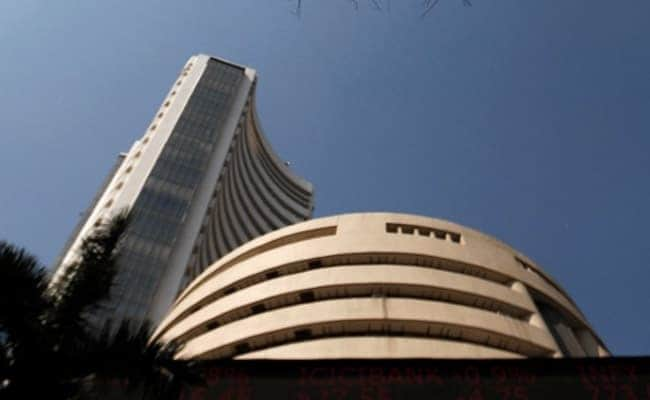
Indian shares fell sharply on Monday as prospects of aggressive rate hikes by the US Federal Reserve hit investors' appetite for risky assets.
The BSE Sensex index fell over 600 points to around 56,579 and the Nifty 50 index was down nearly 1.3 per cent at about 16,953.
Stocks fell across the board, dragged lower by heavy selling pressure in IT, FMCG and metal stocks, as weakness in global equities dented investors' sentiment, extending their losses from the previous trading session.
On the BSE, shares of Future Group companies tumbled — Future Retail was down about 5 per cent, Future Consumer crashed nearly 20 per cent, while Future Enterprises declined almost 10 per cent, on increasing concerns that the group faces bankruptcy risk.
That comes after Reliance Industries Ltd (RIL) called off the Rs 24,713-crore deal after Future group's secured creditors voted against it. RIL shares fell over 2.4 per cent.
The other losers were Tata Communications Ltd, falling over 9 per cent and Coal India, down nearly 7 per cent.
Last week, eight of the top-10 most valued firms based on market capitalisation lost ₹ 2,21,555.61 crore from their valuation, lining up with the weak trend in the broader market, with Infosys and HDFC Bank suffering the biggest hit.
Broader Asian stocks also lost ground, driven by economic slowdown fears from the anticipated aggressive monetary policy tightening from major central banks, led by the US Fed.
The ongoing Russia-Ukraine conflict, runaway inflation worries and the expected response by global central banks, especially the Fed, have weighed on investor sentiment.
With price stability, the primary mandate for global central banks, expectations for aggressive rate hikes, and the resultant slowdown in economic growth has rattled investors.
Also, during a global policy tightening phase, investors prefer to shelter in safe assets.
Those global cues combined with weaker-than-expected quarterly corporate earnings have not helped Indian stocks.
Indeed, fears of aggressive Fed rate hikes have dented risk sentiment, with foreign investors pulling out nearly ₹ 12,300 crore from Indian equities this month.
"Some fear that a 50 basis point rate increase will be the first of many and could slow down the economy...," wrote Phil Flynn, energy analyst at Price Futures Group in Chicago, in a commentary note.
"It is not just a tightening cycle upsetting traders overnight but also the pricing-in of a 50-basis point interest rate increase by September by the European Central Bank. The Bank of Japan, on the other hand, wants to remain dovish but worries that the course of the US and Europe could force them to change course," he added.

-
Talking Points This Week: Tech Nerves, FII Buying, And A Faraway Banking Shock

The global markets are not shining this Diwali. The exception in the large markets is, India.
-
Midterm Rally Lasted A Day. The Hard Reality Of A Divided US May Last Two Years | Opinion
Between a contested AI boom, a debt ceiling that arrives in 2027 and a president with every incentive to act alone, the next two years may prove more volatile than the first day's rally suggests.
-
Blue Wave Will Derail the AI Trade but Won't Dismantle the AI Era | Unhedged Position
The Democrats' sweep of the US Congress will see politics collide with economic forces both over the long and short term.
-
It's Time To Take The GST Council's Bet On Trust Global
Payment records can prove India's services exports, and clear, proportionate rules can bring foreign digital sellers into the tax net.
-
Opinion | India at 38: From Innovation Overperformer to Innovation Powerhouse
India now has 453 VC-backed deep science startups, 18 of them late-stage, after 117 percent growth since 2020. Laurus Labs, at USD 9.3 billion, is the most valuable deep science company in any middle-income economy outside China.
-
Navigating Energy Crossroads: S Jaishankar's Call For Diversified Supply Chains At G20 Ministerial Meeting
As geopolitical fault lines continue to test maritime trade routes and commodity flows, Jaishankar's message remains pertinent: true economic resilience requires open markets, protected transit lines, and a genuine commitment to multilateral cooperation rather than coercion.
-
Indians Are Travelling, But Not Every Journey Is A Holiday | The Week In Whys
Pilgrims, patients and working women are the real travellers, and the system hasn't quite caught up with them.
-
Getting To Work Costs Women More | The Reason Why
It is not just about women paying more than men. It is about women paying much more in cities than in villages.
-
AI Bias In Investing Cannot Be Eliminated, But It Can Be Governed
Framing is a particularly important example as identical financial information presented in terms of gains rather than losses can lead an LLM to reach a different assessment.









