Startups Can Take Long-Term Risk With Indian Money: Nandan Nilekani
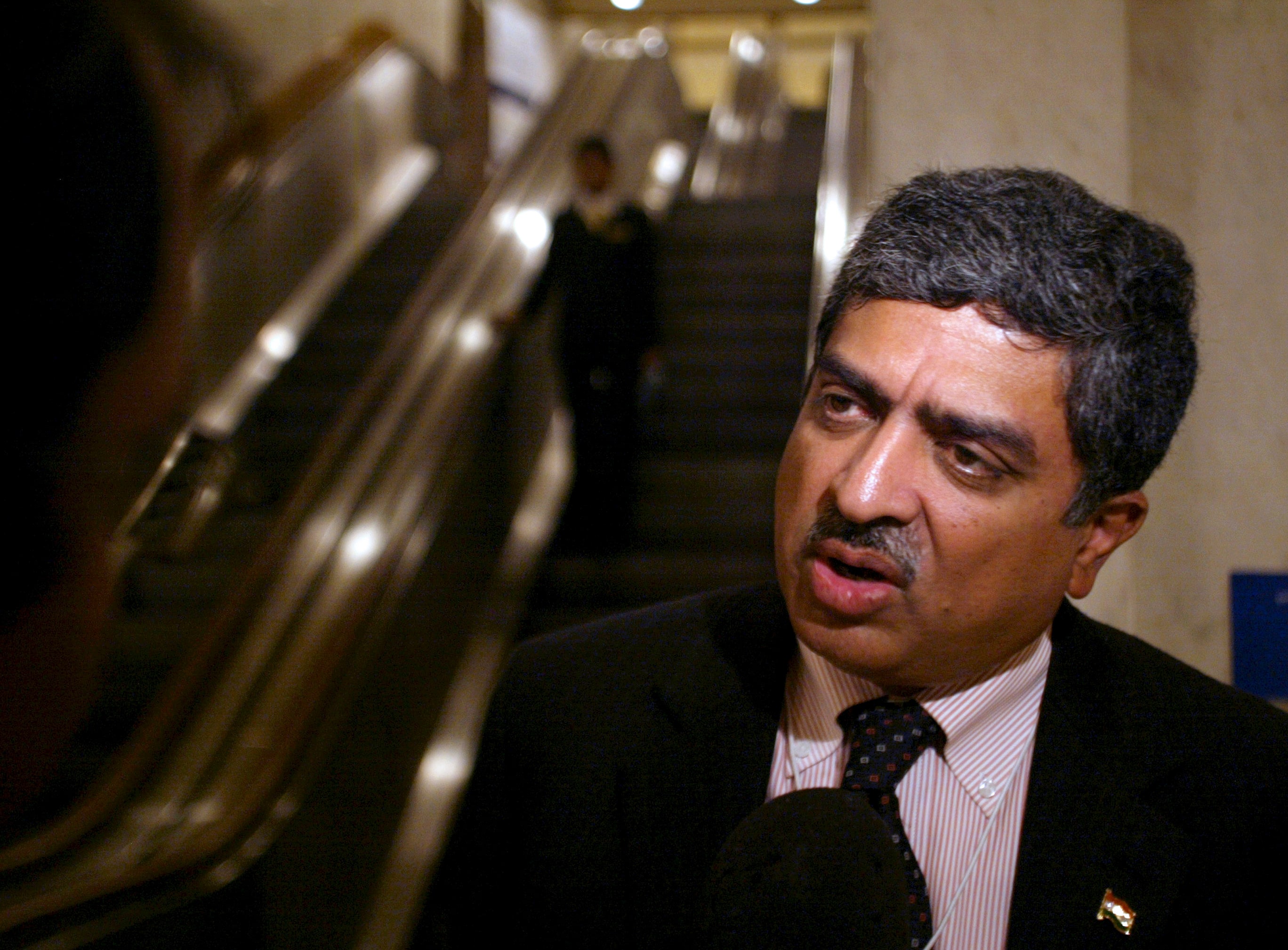
Infosys co-founder Nandan Nilekani is all for Indian startups, saying they have entered an ‘exciting phase' with focus on India-specific problems and opportunities, and domestic money is fueling risk appetite.
“I am very bullish on the Indian start-up scenario”, the brain behind Aadhaar told PTI in an interview. “I think we are entering a new phase where we are seeing breadth and depth of start-ups”.
On several startups shutting shop, Nilekani said it's the nature of the business.
“The very nature of start-ups is that many ideas get funded; some ideas succeed and some have to be revisited or pivoted...that's the nature of this whole venture economy”.
He said that in the startup business, some companies would succeed and some would not. Some companies will start with an idea but then pivot couple of times before they stabilise on a sustainable idea. “So, that's the nature of the activity. That does not bother me the least,” he said.
Nilekani also said that many startups would not succeed but entrepreneurs gain tremendous experience and can to go to another startup.
“They can learn from the experience of the previous failed startups. I see it as part of that,” he said.
According to him, while there might be some challenges on follow-on funding for very large firms, it's an exciting time if one looked at the larger scenario. He said more and more start-ups are being set up and their quality is also increasing with players doing “very interesting things”.
There is a huge buzz on college campuses, which themselves are becoming pro-startups and encouraging their graduates to start companies, Nilekani said.
“Lot more Indian money is also coming into the start-up world. So, people like us who already built a company are now providing funding and being mentors and all that”, he said.
Painting a positive picture, Nilekani said Indian money flowing into the sector is meant to build companies in the country and people with operative experience having already served in companies can chip in with advice for start-ups.
“It's private money (Indian money) so they (start-ups) are not obligated to their LPs (limited partners), or exits or returns to other shareholders...nothing of that type. So, they can take longer term risk. So, it's good stuff,” he said.

-
Where You Live Shapes How You Get To Work | The Reason Why

Two-wheelers are the most popular way to get to work in India, accounting for nearly 43% of workplace commutes.
-
High US Salaries, No Green Card Certainty: The Financial Calculation Facing Indian H-1B Families
The suspension of PERM processing at eight technology employers does not cancel existing H-1B visas. What it does is force a question many Indian families have been avoiding: is the US salary worth tying your career and family plans to one employer?
-
Unhedged Position: Can India See An Indonesia-Style Time Correction?
The Nifty is trading below levels it first clocked in 2024. Is there, then, as I have suggested in the headline, potential that the current time correction drags on painfully for the next three-five, even ten years?
-
Navigating Friction And Energy Realities: An Analysis Of Marco Rubio's October Visit To India
Occurring at a critical juncture marked by stalled trade negotiations and escalating geopolitical pressures over global energy supplies, the visit offers a profound window into modern US-India relations.
-
India Exports Capital. Why Not Export Trusteeship?
The big question, then, is whether India can build an institution that global borrowers, investors, banks, and lawyers can trust, even without an Indian connection.
-
France's Economy & Politics Are In Crisis | The Reason Why
Let's look at how the French economy and politics evolved under Nicolas Sarkozy, Franois Hollande and Emmanuel Macron.
-
You May Inherit The Business. You Must Earn Its Credibility.
Succession tests the founder's ability to share authority as much as it tests the next generation's readiness to assume it.
-
Signing Deals Is One Thing; Making Them Work Is Another | The Week In Whys
Sometimes, things don't turn out as planned. Indian companies have lost some bids to rivals, some projects won't produce until 2030.
-
FOMC Wall, PERM Suspension, Hospital Stocks | Talking Points This Week
A PERM suspension would directly affect green-card sponsorship rather than H-1B visas, so the near-term earnings impact could remain relatively limited. The key question is whether this marks a new phase in US scrutiny of Indian IT.
-
Everything, Everywhere, All At Once: Dalal Street's Week To Forget | Joining The Dots
Visa curbs, a Starlink spat and cancer drug caps: what connects this week's shocks for Indian markets









