Starbucks, Burger King Dragged in as China Food Scandal Spreads
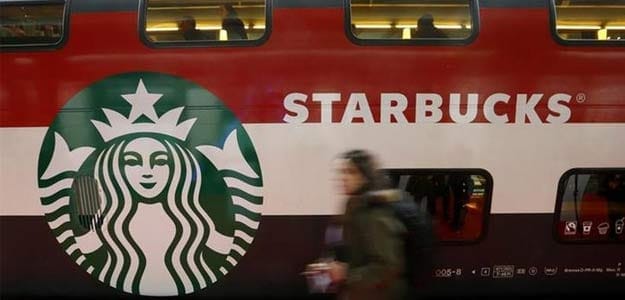
A toxic food scandal in China is spreading fast, dragging in US coffee chain Starbucks, Burger King Worldwide Inc and others, as well as products of McDonald's Corp as far away as Japan.
McDonald's and KFC's parent Yum Brands Inc apologised to Chinese customers on Monday after it emerged that Shanghai Husi Food Co Ltd, a unit of US-based OSI Group LLC, had supplied expired meat to the two chains.
On Tuesday, Starbucks said some of its stores previously sold products containing chicken originally sourced from Shanghai Husi, a firm that was shut down on Sunday by local regulators after a TV report showed staff using expired meat and picking up meat from the floor to add to the mix.
McDonald's said meat from the supplier had been sold to its branches in Japan where it was used in the firm's McNuggets.
Fast-food chain Burger King and Dicos, China's third-ranked diner owned by Ting Hsin International, said they would remove Shanghai Husi food products from their outlets.
Pizza chain Papa John's International Inc said on its Weibo blog that it had taken down all meat products supplied by Shanghai Husi and cut ties with the supplier.
Food safety is one of the top issues for Chinese consumers after a scandal in 2008 where dairy products tainted with the industrial chemical melamine led to the deaths of six infants and made many thousands sick. Other food scandals have hit the meat and dairy industries in recent years, and many Chinese look to foreign brands as offering higher safety standards.
Starbucks said on its Chinese microblog site that it had no direct business relationship with Shanghai Husi, but that some of its chicken acquired from another supplier had originally come from Husi for its "Chicken Apple Sauce Panini" products. This had been sold in 13 different provinces and major cities.
Starbucks added that all the products had already been removed from the shelves.
TOXIC SPREAD
The scare has stirred local consumers and become one of the most discussed topics online by the country's influential 'netizens', with some users writing and spreading long lists of firms thought to be tarnished.
The incident highlights the difficulty in ensuring quality and safety along the supply chain in China. Wal-Mart Stores Inc came under the spotlight this year after a supplier's donkey meat product was found to contain fox meat. It also came under fire for selling expired duck meat in 2011.
Burger King said in a Weibo statement posted late on Monday that it had taken off its shelves all meat products supplied by Shanghai Husi Food and had launched an investigation.
Dicos said it pulled all ham products supplied by Shanghai Husi, and would stop serving its ham sandwich product for breakfast. "We will continue to carry out a probe into Shanghai Husi Food and its related firms, to understand whether or not it followed national regulations," Dicos said in a statement.
IKEA said on Weibo that Shanghai Husi had previously been a supplier, but had not provided the firm with products since September last year. Domino's Pizza Inc and Doctor's Associates Inc's Subway brand, which were named in online reports as being supplied meat from Shanghai Husi, said their outlets in China did not use meat products from the firm.
Yoshinoya-parent Hop Hing Group Holdings Ltd, Japanese convenience store FamilyMart Co Ltd and Chinese chain Wallace urged diners not to worry, and said they did not currently use any products from Shanghai Husi.
Copyright: Thomson Reuters 2014

-
Swiggy vs Eternal: Food Delivery's Two Rivals Are No Longer In The Same Race

Eternal is building a private AI assistant, dark.ai. Swiggy is still working out how to make Instamart pay, with an operating loss of Rs 895 crore in the July-September quarter while Blinkit stayed profitable.
-
Where You Live Shapes How You Get To Work | The Reason Why
Two-wheelers are the most popular way to get to work in India, accounting for nearly 43% of workplace commutes.
-
High US Salaries, No Green Card Certainty: The Financial Calculation Facing Indian H-1B Families
The suspension of PERM processing at eight technology employers does not cancel existing H-1B visas. What it does is force a question many Indian families have been avoiding: is the US salary worth tying your career and family plans to one employer?
-
Unhedged Position: Can India See An Indonesia-Style Time Correction?
The Nifty is trading below levels it first clocked in 2024. Is there, then, as I have suggested in the headline, potential that the current time correction drags on painfully for the next three-five, even ten years?
-
Navigating Friction And Energy Realities: An Analysis Of Marco Rubio's October Visit To India
Occurring at a critical juncture marked by stalled trade negotiations and escalating geopolitical pressures over global energy supplies, the visit offers a profound window into modern US-India relations.
-
India Exports Capital. Why Not Export Trusteeship?
The big question, then, is whether India can build an institution that global borrowers, investors, banks, and lawyers can trust, even without an Indian connection.
-
France's Economy & Politics Are In Crisis | The Reason Why
Let's look at how the French economy and politics evolved under Nicolas Sarkozy, Franois Hollande and Emmanuel Macron.
-
You May Inherit The Business. You Must Earn Its Credibility.
Succession tests the founder's ability to share authority as much as it tests the next generation's readiness to assume it.
-
Signing Deals Is One Thing; Making Them Work Is Another | The Week In Whys
Sometimes, things don't turn out as planned. Indian companies have lost some bids to rivals, some projects won't produce until 2030.
-
FOMC Wall, PERM Suspension, Hospital Stocks | Talking Points This Week
A PERM suspension would directly affect green-card sponsorship rather than H-1B visas, so the near-term earnings impact could remain relatively limited. The key question is whether this marks a new phase in US scrutiny of Indian IT.









