Sri Lanka Breaks Into Hyperinflation Zone Amid Dollar Crunch
(Bloomberg) --
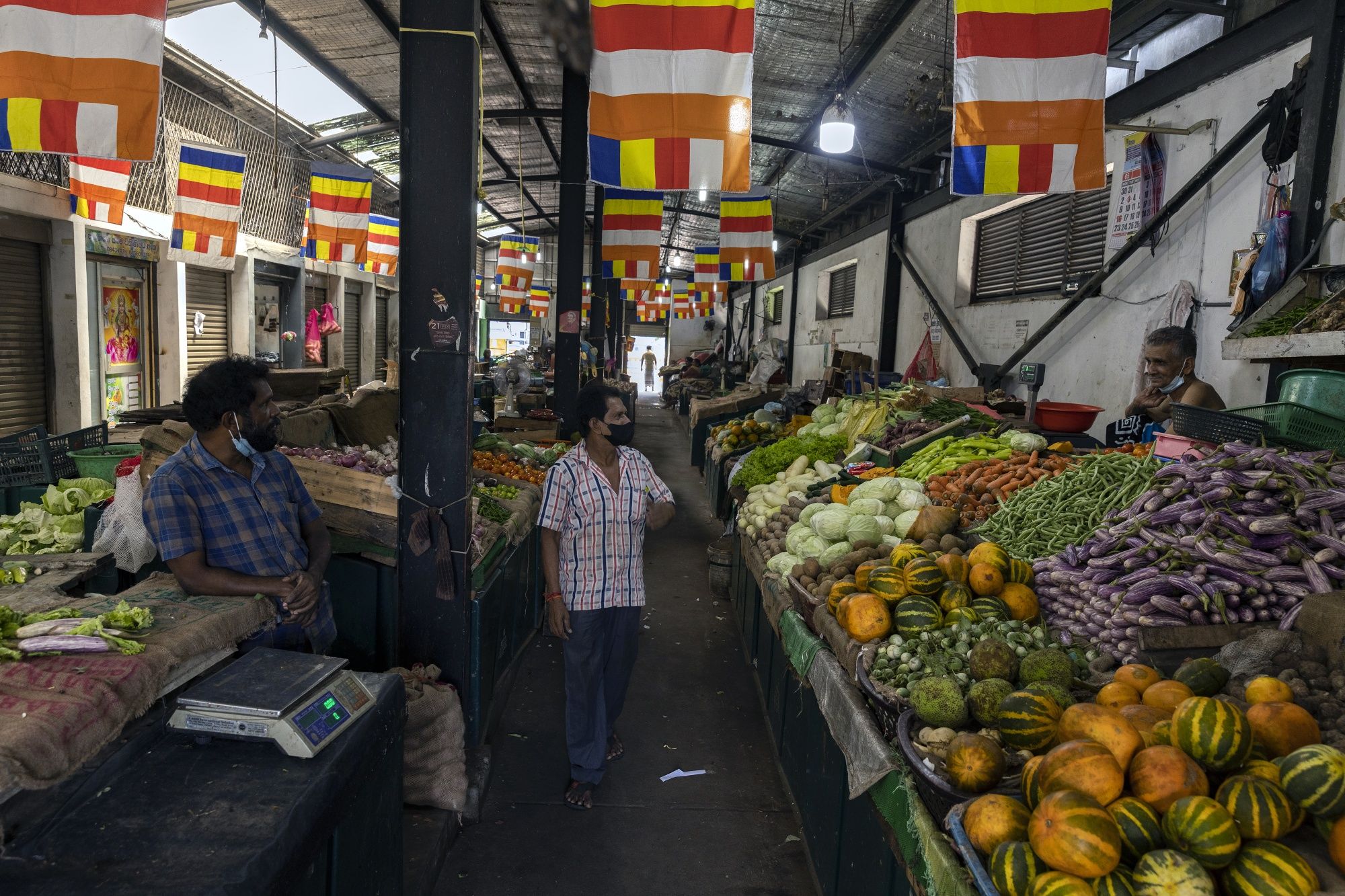
Sri Lanka's consumer prices continued their record ascent in June, with the headline rate breaching hyperinflation levels on a persistent shortage of essentials from food to fuel due to the country's depleted foreign exchange reserves.
Official data on Thursday showed consumer prices in capital Colombo rose 54.6% from a year earlier, beating predictions for a 43.7% gain in a Bloomberg survey of economists. That pushes the key price gauge past the 50% level that most economists commonly use to define hyperinflation.

The figures are the final price print before the Central Bank of Sri Lanka's next interest-rate decision on July 7. While the monetary authority left borrowing costs unchanged in May, policy makers may be forced to resume tightening to arrest runaway inflation.
The country's benchmark stock index was down 0.3% after the data, while the rupee was little changed.
“We would have reached a hyperinflation-like impact already, although official numbers are only now catching up,” said Kavinda Perera, head of research at Asia Securities in Colombo. “There is still room for prices to increase further, with electricity tariff hikes on the cards,” he said, noting that there's no monetary policy solution to supply-driven problems like energy prices.
Sri Lanka, which is in the midst of its worst economic crisis, this week restricted fuel supplies and told residents to stay home until July 10 to dampen demand. The move comes after Prime Minister Ranil Wickremesinghe last week said that the nation was unable to source fuel even for cash, as suppliers insist on clearance of past dues.
Separately on Thursday, the International Monetary Fund said it's made significant progress toward an aid program for the crisis-ridden nation. The help is contingent on Sri Lanka fulfilling conditions including steps to ensure debt sustainability and curtailing inflation.
More details for June inflation data include:
- Core inflation, which excludes food and fuel, +39.9%, from +28.4% in May
- Food +80.1%, from +57.4%
- Transport +128%, from 91.5%
(Updates with economist comment in the fourth paragraph.)
More stories like this are available on bloomberg.com
©2022 Bloomberg L.P.

-
A New Samvat Wishlist: Inclusive Prosperity And Human Development

India has strengthened its economic foundations through infrastructure, digital access and enterprise. Its next growth chapter must deepen productivity, create better livelihoods and widen participation in prosperity.
-
Love, Sex Aur Dhokha: The Audacious Plot To Spy On Jensen Huang
A Taipei dinner, a Singapore chip buyer and a suspected Chinese asset: inside the alleged spy operation that got close to NVIDIA's Jensen Huang.
-
Ten Things I Learnt This Samvat
Patience can be a trap. Cheap stocks can stay cheap. Leverage can wipe you out. What did Samvat 2082 teach us? Niraj Shah writes on 10 lessons from the year gone by.
-
Talking Points This Week: Tech Nerves, FII Buying, And A Faraway Banking Shock
The global markets are not shining this Diwali. The exception in the large markets is, India.
-
Midterm Rally Lasted A Day. The Hard Reality Of A Divided US May Last Two Years | Opinion
Between a contested AI boom, a debt ceiling that arrives in 2027 and a president with every incentive to act alone, the next two years may prove more volatile than the first day's rally suggests.
-
Blue Wave Will Derail the AI Trade but Won't Dismantle the AI Era | Unhedged Position
The Democrats' sweep of the US Congress will see politics collide with economic forces both over the long and short term.
-
It's Time To Take The GST Council's Bet On Trust Global
Payment records can prove India's services exports, and clear, proportionate rules can bring foreign digital sellers into the tax net.
-
Opinion | India at 38: From Innovation Overperformer to Innovation Powerhouse
India now has 453 VC-backed deep science startups, 18 of them late-stage, after 117 percent growth since 2020. Laurus Labs, at USD 9.3 billion, is the most valuable deep science company in any middle-income economy outside China.
-
Navigating Energy Crossroads: S Jaishankar's Call For Diversified Supply Chains At G20 Ministerial Meeting
As geopolitical fault lines continue to test maritime trade routes and commodity flows, Jaishankar's message remains pertinent: true economic resilience requires open markets, protected transit lines, and a genuine commitment to multilateral cooperation rather than coercion.









