Spot Power Prices At Nine-Year High On Coal Shortage, Festival Season Demand
Prices of power in the spot market rose to a nine-year high in September on account of soaring electricity demand in many states due to the festive season and shortage of coal in thermal plants.
Power prices rose to Rs 14.08 per unit at the India Energy Exchange on Tuesday—the highest since Aug. 2009, when it touched Rs 17.
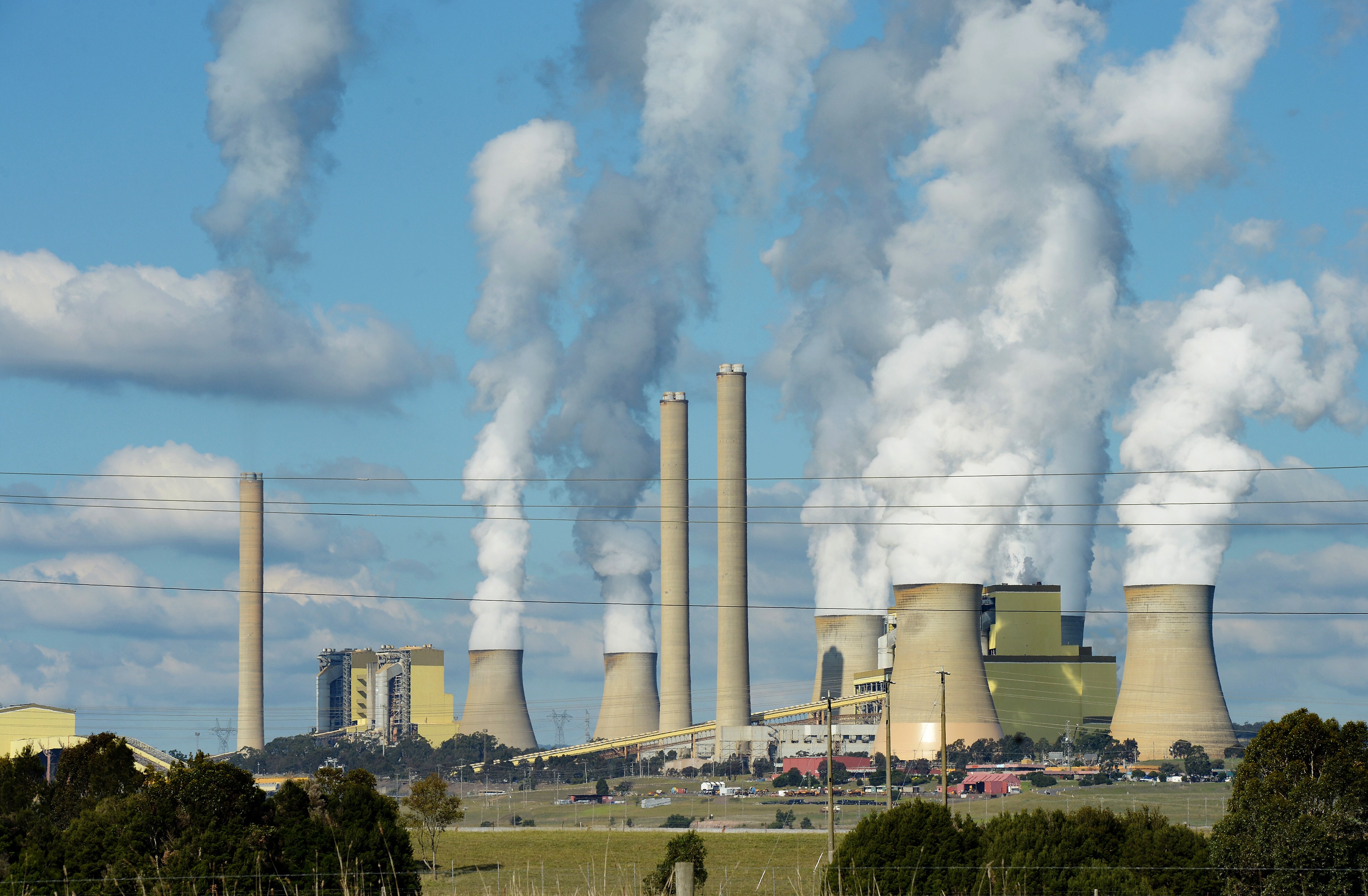
The average stocks of dry fuel in thermal plants—which contribute to nearly 70 percent of India's power output—stood at 12,660.9 metric tonnes in September as compared with 15,243.90 metric tonnes a month ago, according to data available with the Central Electricity Authority. Worryingly, at least 13 such plants, as on Sept. 16, are left with super-critical coal stocks that will run out in four days. Three plants have critical coal stocks that will last for less than a week.
“Spot power prices are high because of increasing demand and the retreating monsoon,” Rajesh Mendiratta, business development manager at India Energy Exchange Ltd. told BloombergQuint. “Thermal power generation is low due to coal shortage, hence the number of selling bids is lower than buying bids.”
The change in seasons, Mendiratta, said has also led to decreased output of hydel and wind power—which happens when the rains relent and ambient temperature and humidity increases.
Data from the National Load Despatch Centre—the apex body that ensures the integrated operation of the national power system—corroborates Mendiratta's view. Power generated by hydel and wind power plants on Sept. 17 was 545 million units and 132 million units, respectively, according to NLDC data. A month ago, hydel and wind power output was 661 and 351 million units, respectively.
“Any major constraint in logistics affecting domestic coal availability may lead to some upward pressure on spot tariff levels,” said Girishkumar Kadam, vice president, and sector head of corporate ratings at ICRA Ltd. However, he attributed the higher spot power prices to seasonality in demand. “Nonetheless, such price levels would be temporary and are unlikely to be sustained.”
A power exchange functions on the lines of commodity exchanges, providing a platform for buyers, sellers and traders of electricity to enter into spot contracts for the same day, coming day and on a weekly basis. Mendiratta said that higher demand was witnessed in Maharashtra—due to the Ganesh Chaturthi celebrations—apart from Gujarat, West Bengal and Telangana.
Kadam said that prices would remain in the range of Rs 3.5-3.7 per unit in the near-term, given the significant thermal overcapacity in place and subdued thermal plant load factor levels.
Gujarat Buys Spot Power After Dry Spell
Gujarat faces higher energy demand due to a prolonged dry spell due to which it's utilities are supplying additional power to the farming sector. “We are supplying power for an additional two hours to the agricultural sector, resulting in Gujarat witnessing its highest electricity demand,” Pankaj Joshi, managing director of the utility Gujarat Urja Vikas Nigam Ltd., told BloombergQuint over the messaging application WhatsApp.
Joshi said that Gujarat's peak power demand touched a record 17,499 MW on Monday. The previous high was 17,097 MW, on Oct. 9, 2017, he said. “This is why we are purchasing more from the spot market.”
The state faces a deficit of around 1,000 MW, Joshi said, after Essar's Salaya Power Plant in Jamnagar district faced losses and turned unviable.

-
Ten Things I Learnt This Samvat

Patience can be a trap. Cheap stocks can stay cheap. Leverage can wipe you out. What did Samvat 2082 teach us? Niraj Shah writes on 10 lessons from the year gone by.
-
Talking Points This Week: Tech Nerves, FII Buying, And A Faraway Banking Shock
The global markets are not shining this Diwali. The exception in the large markets is, India.
-
Midterm Rally Lasted A Day. The Hard Reality Of A Divided US May Last Two Years | Opinion
Between a contested AI boom, a debt ceiling that arrives in 2027 and a president with every incentive to act alone, the next two years may prove more volatile than the first day's rally suggests.
-
Blue Wave Will Derail the AI Trade but Won't Dismantle the AI Era | Unhedged Position
The Democrats' sweep of the US Congress will see politics collide with economic forces both over the long and short term.
-
It's Time To Take The GST Council's Bet On Trust Global
Payment records can prove India's services exports, and clear, proportionate rules can bring foreign digital sellers into the tax net.
-
Opinion | India at 38: From Innovation Overperformer to Innovation Powerhouse
India now has 453 VC-backed deep science startups, 18 of them late-stage, after 117 percent growth since 2020. Laurus Labs, at USD 9.3 billion, is the most valuable deep science company in any middle-income economy outside China.
-
Navigating Energy Crossroads: S Jaishankar's Call For Diversified Supply Chains At G20 Ministerial Meeting
As geopolitical fault lines continue to test maritime trade routes and commodity flows, Jaishankar's message remains pertinent: true economic resilience requires open markets, protected transit lines, and a genuine commitment to multilateral cooperation rather than coercion.
-
Indians Are Travelling, But Not Every Journey Is A Holiday | The Week In Whys
Pilgrims, patients and working women are the real travellers, and the system hasn't quite caught up with them.
-
Getting To Work Costs Women More | The Reason Why
It is not just about women paying more than men. It is about women paying much more in cities than in villages.









