South African Steel Industry May Become Extinct: ArcelorMittal
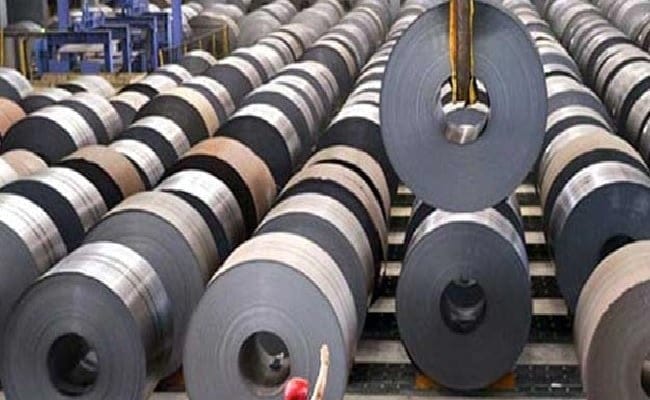
Johannesburg: The South African steel industry may become extinct if it is not protected by the government against a flood of Chinese imports, according to leading NRI billionaire Lakshmi Mittal's steel unit in the country.
Wim de Klerk, CEO of ArcelorMittal South Africa (AMSA), said if the country's biggest steel maker does not get a 10 per cent basic tariff protection from a flood of mainly Chinese cheaper steel imports, the South African steel industry is likely to become extinct.
Wim, who spearheaded moves in recent months to ease tensions between the company and the government, said AMSA was set to make a huge loss for the six months ending December.
This would follow on a huge loss of South African Rand 8.6 billion in the previous year for the company which produces 75 per cent of the country's steel.
Wim's comments came amid reports that the state-owned Industrial Development Corporation had shelved plans to build a $5 billion steel mill in the country with Chinese partners.
AMSA was also concerned that the South African government had not yet committed to using domestic steel in infrastructure development.
It remained buoyant about the future as it awaited government interventions, confident that this would happen because the company's 10,000 employees support more than 100,000 other jobs.
The company is bidding to reopen the structural steel mill that was shut down by South Africa's second largest producer Evraz Highveld Steel and Vanadium which went into business rescue amid the global steel crisis of the last few years.
Concerns over AMSA then getting an even larger monopoly in the steel industry if the had gone through have been allayed by developments at the company since Wim took over the reins earlier this year.
Among the measure to appease government anger over AMSA's monopoly pricing practices were the introduction of a long delayed black empowerment scheme.
AMSA will also pay a Competitions Commission penalty of South African Rand 1.5 billion for its earlier price-fixing practices based on import parity and will regulate prices for the next five years.
AMSA was born out of the state-owned steel manufacturer Iscor that Lakshmi Mittal first rescued from closure and then bought out as he expanded his global steel acquisitions more than a decade ago.
(This story has not been edited by NDTV staff and is auto-generated from a syndicated feed.)

-
Ten Things I Learnt This Samvat

Patience can be a trap. Cheap stocks can stay cheap. Leverage can wipe you out. What did Samvat 2082 teach us? Niraj Shah writes on 10 lessons from the year gone by.
-
Talking Points This Week: Tech Nerves, FII Buying, And A Faraway Banking Shock
The global markets are not shining this Diwali. The exception in the large markets is, India.
-
Midterm Rally Lasted A Day. The Hard Reality Of A Divided US May Last Two Years | Opinion
Between a contested AI boom, a debt ceiling that arrives in 2027 and a president with every incentive to act alone, the next two years may prove more volatile than the first day's rally suggests.
-
Blue Wave Will Derail the AI Trade but Won't Dismantle the AI Era | Unhedged Position
The Democrats' sweep of the US Congress will see politics collide with economic forces both over the long and short term.
-
It's Time To Take The GST Council's Bet On Trust Global
Payment records can prove India's services exports, and clear, proportionate rules can bring foreign digital sellers into the tax net.
-
Opinion | India at 38: From Innovation Overperformer to Innovation Powerhouse
India now has 453 VC-backed deep science startups, 18 of them late-stage, after 117 percent growth since 2020. Laurus Labs, at USD 9.3 billion, is the most valuable deep science company in any middle-income economy outside China.
-
Navigating Energy Crossroads: S Jaishankar's Call For Diversified Supply Chains At G20 Ministerial Meeting
As geopolitical fault lines continue to test maritime trade routes and commodity flows, Jaishankar's message remains pertinent: true economic resilience requires open markets, protected transit lines, and a genuine commitment to multilateral cooperation rather than coercion.
-
Indians Are Travelling, But Not Every Journey Is A Holiday | The Week In Whys
Pilgrims, patients and working women are the real travellers, and the system hasn't quite caught up with them.
-
Getting To Work Costs Women More | The Reason Why
It is not just about women paying more than men. It is about women paying much more in cities than in villages.









