Sony-Zee: India's Advertisers In A Tight Spot After Merger Is Scrapped
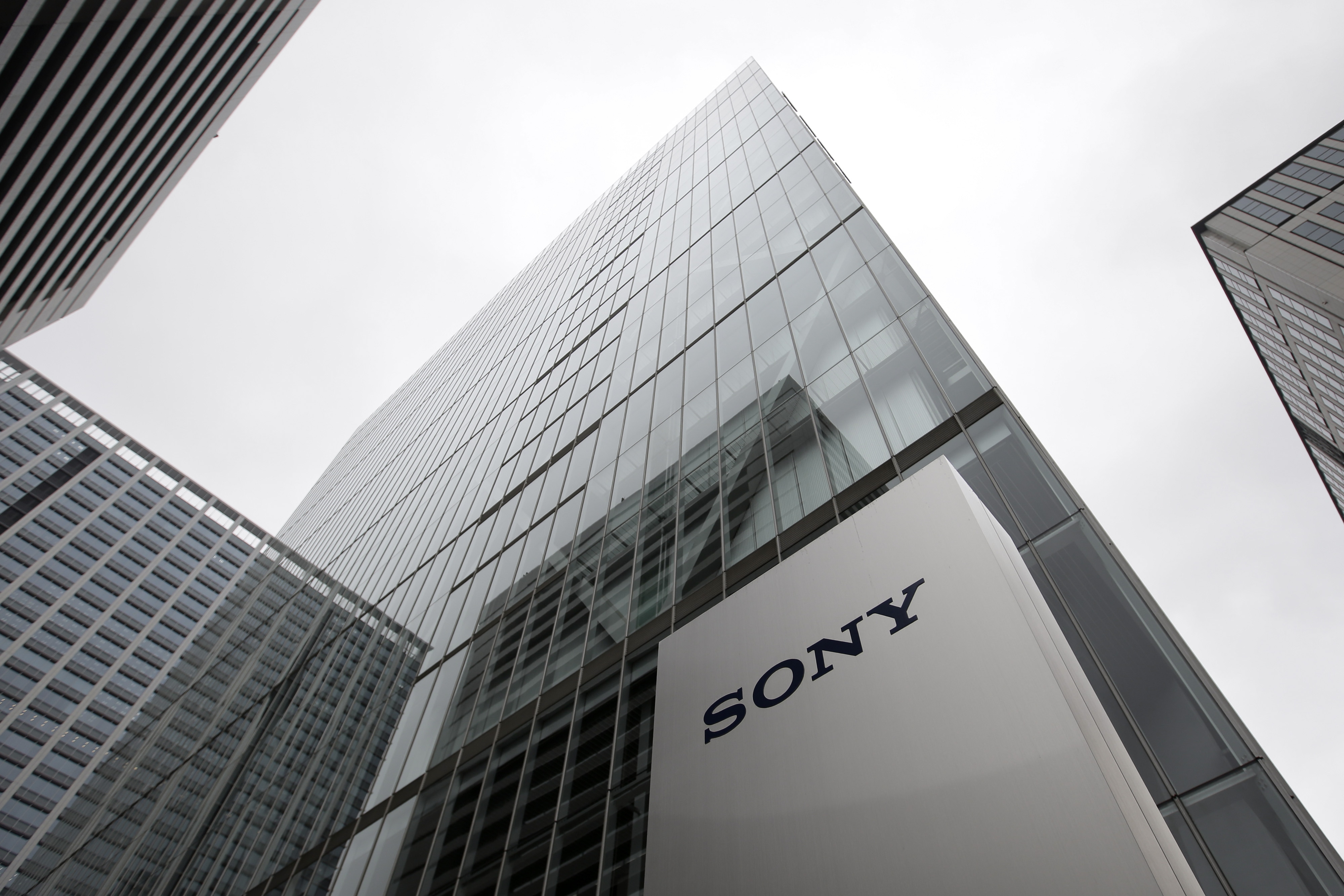
(Bloomberg Opinion) -- Sony Group Corp.'s decision to walk away from a $10 billion Indian media merger will put large advertisers such as Unilever Plc and Procter & Gamble Co. in a bind. To reach the country's 1.4 billion population they may have no option except to go through a prospective rival.
The Japanese media giant's local unit has sent a termination letter to Zee Entertainment Enterprises Ltd. What probably sank the deal was the insistence by Punit Goenka, Zee's chief executive officer, that he should lead the post-merger entity.
While Goenka, the son of Subhash Chandra, the Indian network's 73-year-old founder, was indeed the original choice as CEO of the combined entity, the country's stock market regulator has since accused the father-son duo of siphoning off funds from the publicly traded firm. With an inquiry still ongoing, Sony didn't want to get tarnished by a corporate-governance scandal. In its letter, Sony cited conditions of the merger agreement not being met as the reason for the termination. Zee said that Goenka was agreeable to stepping down in the interest of the merger.
Meanwhile, a new media mogul has emerged. Mukesh Ambani is talking to Walt Disney Co. CEO Bob Iger, who wants to steady the sprawling behemoth by focusing on four core areas: streaming, theme parks, studios and ESPN, the sports network. If Ambani's Viacom18 Media joins forces with Disney's Star franchise, the owner of India's largest telco and its biggest retailer will control a third of Hindi general entertainment in northern cities, and more than a quarter of the Tamil market in the south. He will also corner a third of video streaming.
Even with streaming becoming popular, India is still a big TV market. Almost 900 million individuals (210 million families) have access, and more than 60% of them switch on their sets at least once every 24 hours. The effectiveness of money spent on television is more easily measured because of third-party data on reach and engagement. TV ads command a premium over digital advertising, where brands have to trust apps' claims on viewership.
Ambani's real moat will be in sports, where he is spending top dollar. Viacom18+Disney Star will own broadcast and streaming licenses for nearly every fixture that will attract eyeballs in a cricket-crazy nation. The Zee-Sony merger could have provided a rival platform to brands seeking a national footprint. Its failure will leave advertisers with no viable alternative to Ambani. What makes this doubly problematic is that from food to fashion, the tycoon is looking to expand in consumer products. Promotion will be free for him, but could be expensive for rivals.
However, the battle for media leadership is not yet over. Sony still has a chance of acquiring Zee. Indian company boards hardly ever defy founders, but Chandra's family, which had to pare its shareholding to pay for his wrongheaded bets on infrastructure projects, has only a 3.99% stake left. Shareholders, who recently denied reappointments to several board members, are bound to get more restive now that the Sony deal is off. They can come together to boot out the founders and sell the firm.
In 2021, funds managed by Invesco Ltd. did try to find a suitor for Zee and eject Goenka. They didn't succeed. Sony came in as a white knight, promising to infuse capital and take a controlling interest in what would have become India's largest media network. The offer was overly generous to the Zee founder, who was given an option to rebuild some of his depleted stake. But in the two years that the deal spent jumping over regulatory hurdles, a lot changed.
For one thing, Zee's annual profit has dwindled to just $6 million, a 95% drop in one year. The media group had $68 million of cash in September. It skipped a $200 million payment to Disney earlier this month, citing a liquidity crunch. The tranche was part of the $1.4 billion Zee had agreed to pay in August 2022 for TV rights of cricket matches. That was on the assumption that the merger with Sony would go through. Now that the transaction is dead, Zee may find it hard to boost ad revenue in quarters when there is a popular cricket tournament.
Institutional investors may have an opportunity to try to install a new leadership team and approach Sony (and others) with a fresh deal. But they will have to hurry. Without an immediate rescue, creditors may try to put the company in bankruptcy. A distracted Zee, gasping for survival, might give a further boost to Ambani's competitive advantage. But a narrowing of media choices may also weaken brands' bargaining power in an important consumer market.
More from Bloomberg Opinion:
- Can Satya Nadella Sell Cricket in America?: Bobby Ghosh
- The Curse of the Iconic CEO Is Bigger Than Disney: Beth Kowitt
- Sony's Serious Script for India Is Now a Farce: Andy Mukherjee
This column does not necessarily reflect the opinion of the editorial board or Bloomberg LP and its owners.
Andy Mukherjee is a Bloomberg Opinion columnist covering industrial companies and financial services in Asia. Previously, he worked for Reuters, the Straits Times and Bloomberg News.
More stories like this are available on bloomberg.com/opinion
©2024 Bloomberg L.P.

-
Unhedged Position | Blue Wave Will Derail the AI Trade but Won't Dismantle the AI Era

The Democrats' sweep of the US Congress will see politics collide with economic forces both over the long and short term.
-
It's Time To Take The GST Council's Bet On Trust Global
Payment records can prove India's services exports, and clear, proportionate rules can bring foreign digital sellers into the tax net.
-
Opinion | India at 38: From Innovation Overperformer to Innovation Powerhouse
India now has 453 VC-backed deep science startups, 18 of them late-stage, after 117 percent growth since 2020. Laurus Labs, at USD 9.3 billion, is the most valuable deep science company in any middle-income economy outside China.
-
Navigating Energy Crossroads: S Jaishankar's Call For Diversified Supply Chains At G20 Ministerial Meeting
As geopolitical fault lines continue to test maritime trade routes and commodity flows, Jaishankar's message remains pertinent: true economic resilience requires open markets, protected transit lines, and a genuine commitment to multilateral cooperation rather than coercion.
-
Indians Are Travelling, But Not Every Journey Is A Holiday | The Week In Whys
Pilgrims, patients and working women are the real travellers, and the system hasn't quite caught up with them.
-
Getting To Work Costs Women More | The Reason Why
It is not just about women paying more than men. It is about women paying much more in cities than in villages.
-
AI Bias In Investing Cannot Be Eliminated, But It Can Be Governed
Framing is a particularly important example as identical financial information presented in terms of gains rather than losses can lead an LLM to reach a different assessment.
-
Joining The Dots | Dark Skies, Steady Diya: Why Hope Holds This Diwali
With war, a weak rupee and foreign outflows weighing on sentiment, policymakers at the NDTV World Summit and market veterans at NDTV Profit Ignite: Diwali Edition offered the same advice: stay invested and filter out the noise.
-
The Curious Case of Equitas Small Finance Bank And A CEO Who Quit For Stock
PN Vasudevan believes persistent investor concerns over a perceived conflict of interest had become a governance overhang on Equitas Small Finance Bank's stock, even as the lender improved profitability and asset quality.










