Snapdeal-Flipkart Deal: Nexus And SoftBank Fail To Agree On Valuations
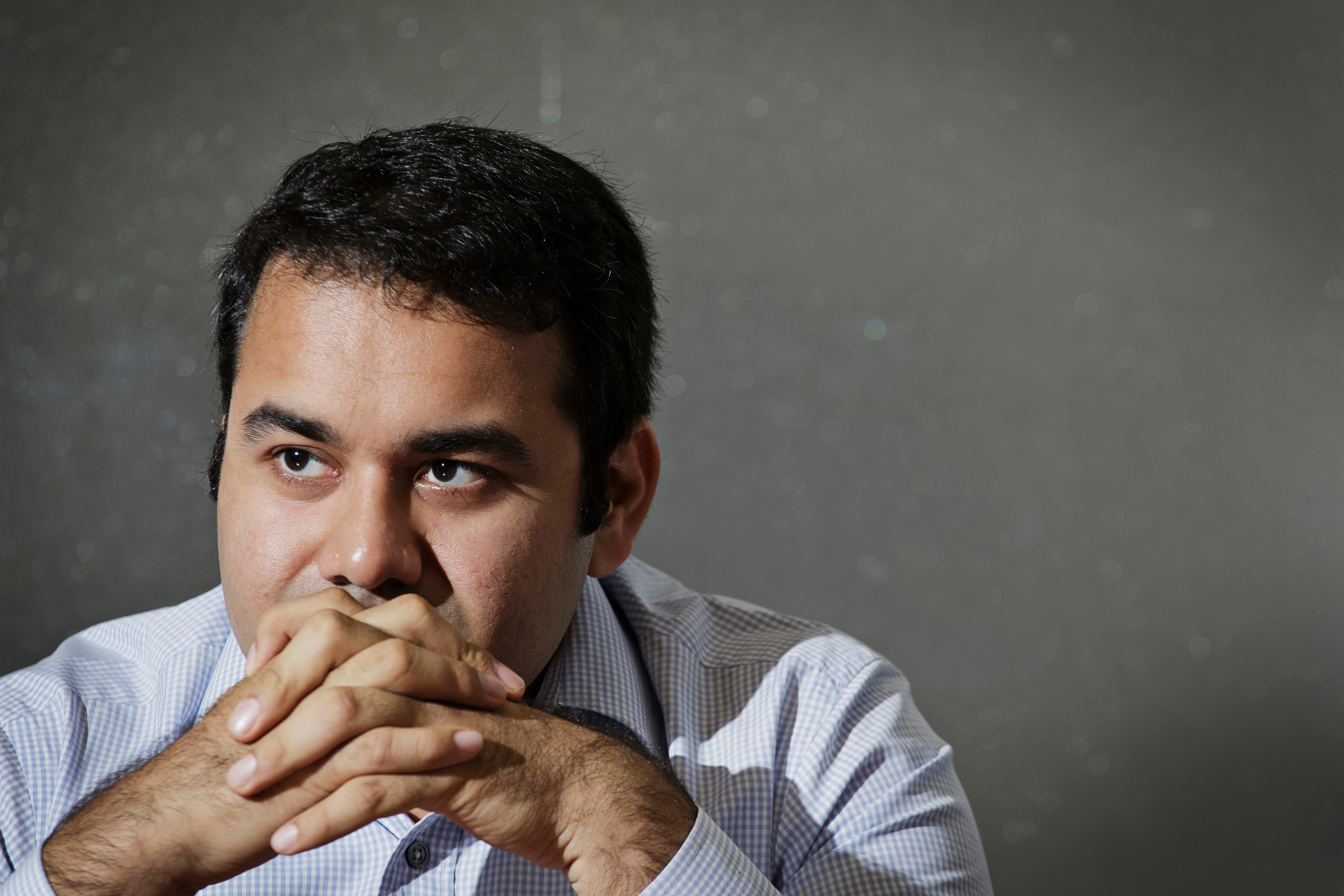
Japanese firm SoftBank on Monday could not manage a crucial nod from co-investor Nexus Venture Partners (NVP) for the sale of Snapdeal, possibly to Flipkart.
The board meeting of Snapdeal, where SoftBank and Nexus have representatives, did not reach an agreement on the sale, people privy to the development said.
The meeting, they said, remained inconclusive as NVP – an early-investor in Snapdeal –- has still not agreed to the valuation given by SoftBank. The approval is crucial for the proposed sale of Snapdeal to larger rival, Flipkart, they added.
The seven-member board of Jasper Infotech, which operates Snapdeal, includes representation from investors SoftBank, Kalaari Capital and NVP, as well as co-founders Kunal Bahl and Rohit Bansal.
NVP continues to seek higher valuation for its over 10 percent stake in Snapdeal, the people said. Once NVP agrees, the deal with Flipkart could be announced in a matter of weeks, they added.
Emails sent to NVP and Snapdeal did not elicit any response.
Also Read: Snapdeal Founders Hire Cyril Amarchand Mangaldas For Flipkart Deal
SoftBank – which holds over 30 percent stake in Snapdeal – has been pushing for the sale of the company, which competes with Flipkart and Amazon.
The Japanese firm has also invested in other Internet businesses in India including Ola and Oyo. The group is also said to be in discussions with digital payments major, Paytm in India for a potential investment of $1.5 billion in the next few weeks.
The people indicated that the investment in Paytm could be linked to the timeline of the Snapdeal transaction as SoftBank is said to be keen on Paytm acquiring FreeCharge, Snapdeal's payments business.
While Snapdeal had expressed confidence in becoming profitable in the next two years, it has been forced to undertake a number of steps, including layoffs and moving away from non-core activities to rationalise costs.
Also Read: What A Flipkart-Snapdeal Marriage Will Mean As SoftBank Plays Matchmaker
Snapdeal, which was valued at $6.5 billion in its last funding round in February 2016, has seen valuations shrink and industry watchers believe the potential deal could be struck at a heavily discounted rate.
The deal with Flipkart, if it happens, would mark the biggest acquisition in the Indian e-commerce space and change the landscape of the sector that is witnessing an intense competition among players.
Indian e-commerce companies have seen funding dry up over the last few months as investors focus extensively on profitability and cutting down expenses.

-
Medicine Pricing: Where Must Profit Stop?

India must confront excessive margins, hidden incentives and regulatory gaps that threaten the integrity of medicine.
-
Why Amazon And Flipkart Are Struggling To Beat Meesho In India's Smaller Cities
With 274 million users and lowest-cost logistics, Meesho is defending its value commerce crown against giants like Amazon and Flipkart.
-
High US Salaries, No Green Card Certainty: The Financial Calculation Facing Indian H-1B Families
The suspension of PERM processing at eight technology employers does not cancel existing H-1B visas. What it does is force a question many Indian families have been avoiding: is the US salary worth tying your career and family plans to one employer?
-
Swiggy vs Eternal: Food Delivery's Two Rivals Are No Longer In The Same Race
Eternal is building a private AI assistant, dark.ai. Swiggy is still working out how to make Instamart pay, with an operating loss of Rs 895 crore in the July-September quarter while Blinkit stayed profitable.
-
Where You Live Shapes How You Get To Work | The Reason Why
Two-wheelers are the most popular way to get to work in India, accounting for nearly 43% of workplace commutes.
-
Unhedged Position: Can India See An Indonesia-Style Time Correction?
The Nifty is trading below levels it first clocked in 2024. Is there, then, as I have suggested in the headline, potential that the current time correction drags on painfully for the next three-five, even ten years?
-
Navigating Friction And Energy Realities: An Analysis Of Marco Rubio's October Visit To India
Occurring at a critical juncture marked by stalled trade negotiations and escalating geopolitical pressures over global energy supplies, the visit offers a profound window into modern US-India relations.
-
India Exports Capital. Why Not Export Trusteeship?
The big question, then, is whether India can build an institution that global borrowers, investors, banks, and lawyers can trust, even without an Indian connection.
-
France's Economy & Politics Are In Crisis | The Reason Why
Let's look at how the French economy and politics evolved under Nicolas Sarkozy, Franois Hollande and Emmanuel Macron.
-
You May Inherit The Business. You Must Earn Its Credibility.
Succession tests the founder's ability to share authority as much as it tests the next generation's readiness to assume it.










